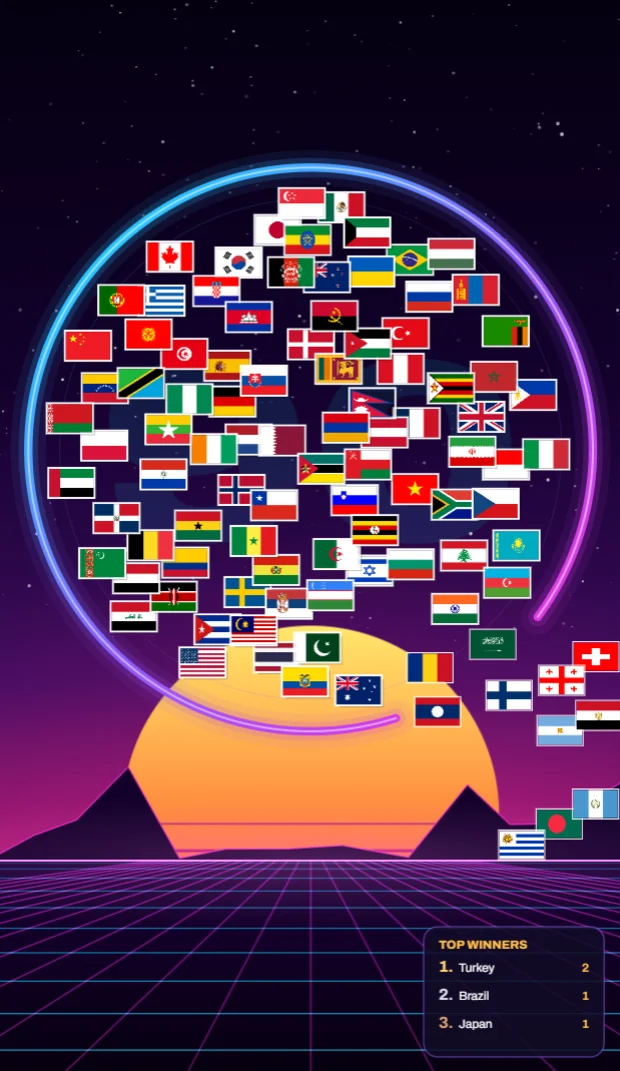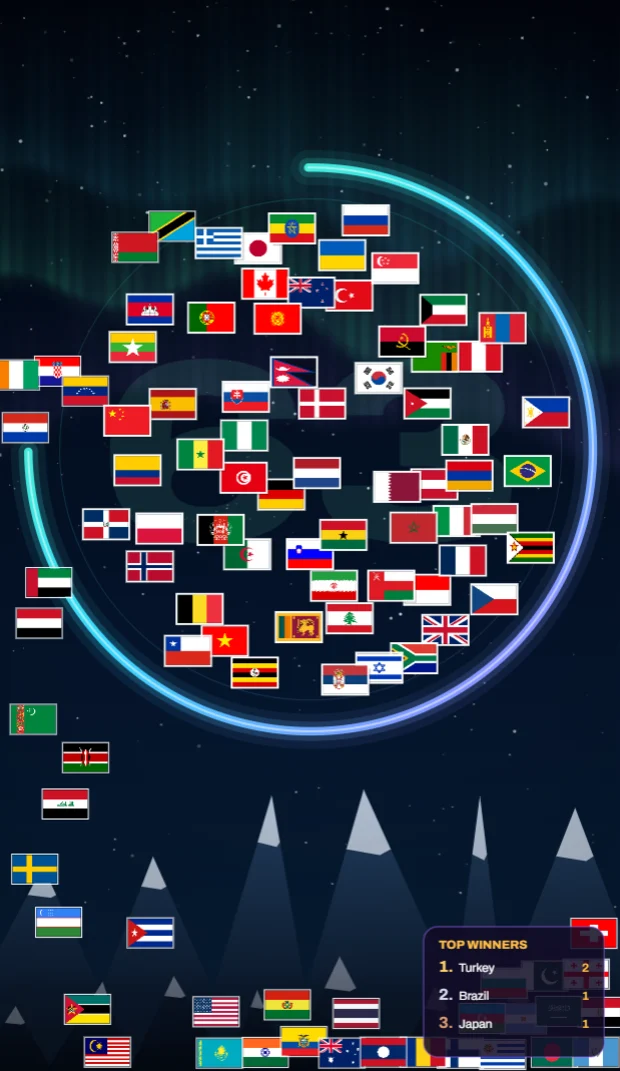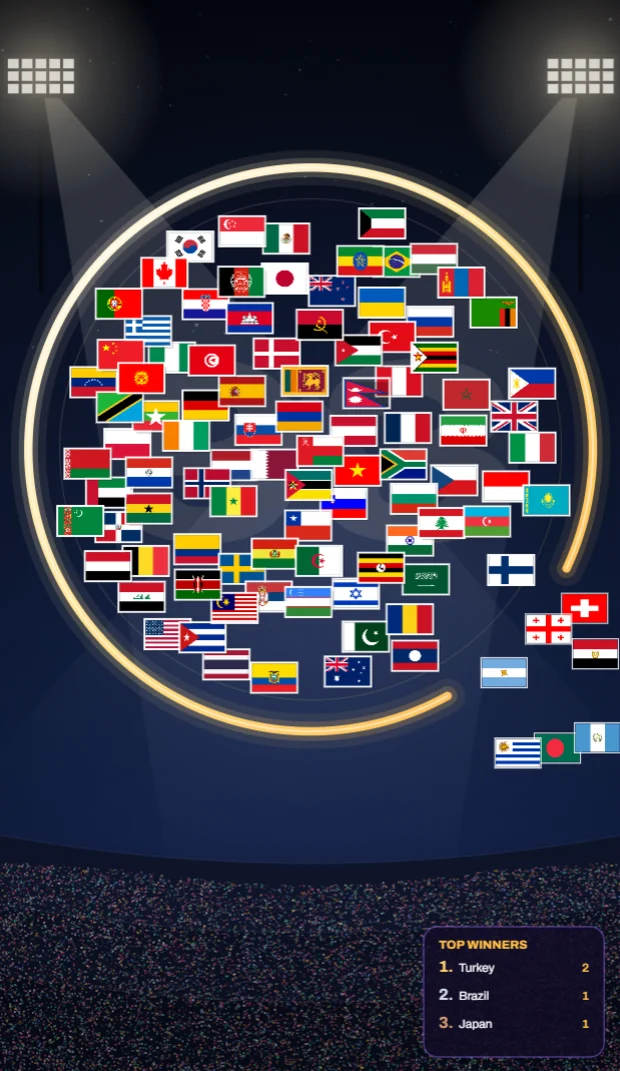
With 255 flags in one arena, FlagsBattle players quickly start spotting patterns: the same three colours again and again, crosses in the north of Europe, crescents and stars across a wide band of the world. Those patterns are not chance. Most flags borrow from older flags, from coats of arms, or from movements that wanted their members to look related.
First, a word of caution
Countries often publish what each colour "means", but those meanings are frequently added later, sometimes long after the flag was designed for practical or historical reasons. The same colour can mean very different things on two flags. A good example is the United States: its flag law gives the colours no meaning, and the meanings people quote (white for purity, red for valour, blue for vigilance) come from a 1782 description of the Great Seal, not of the flag. So read the meanings below as common patterns, not as rules.
The colours, one by one
Red
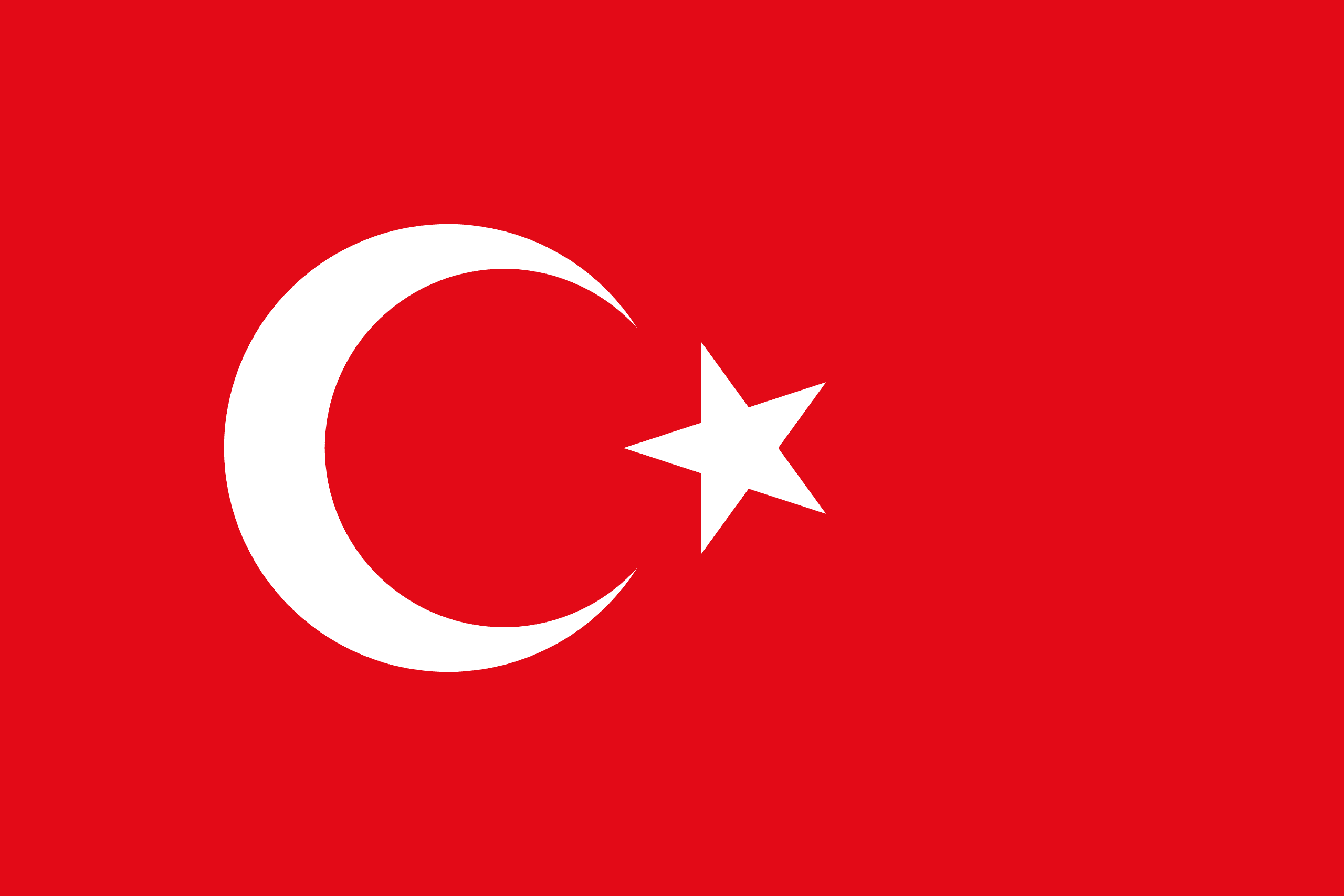
The most common colour on national flags. It is usually tied to courage, struggle or revolution, and many countries link it to the blood of those who fought for independence. Japan's red disc is different: it stands for the sun. 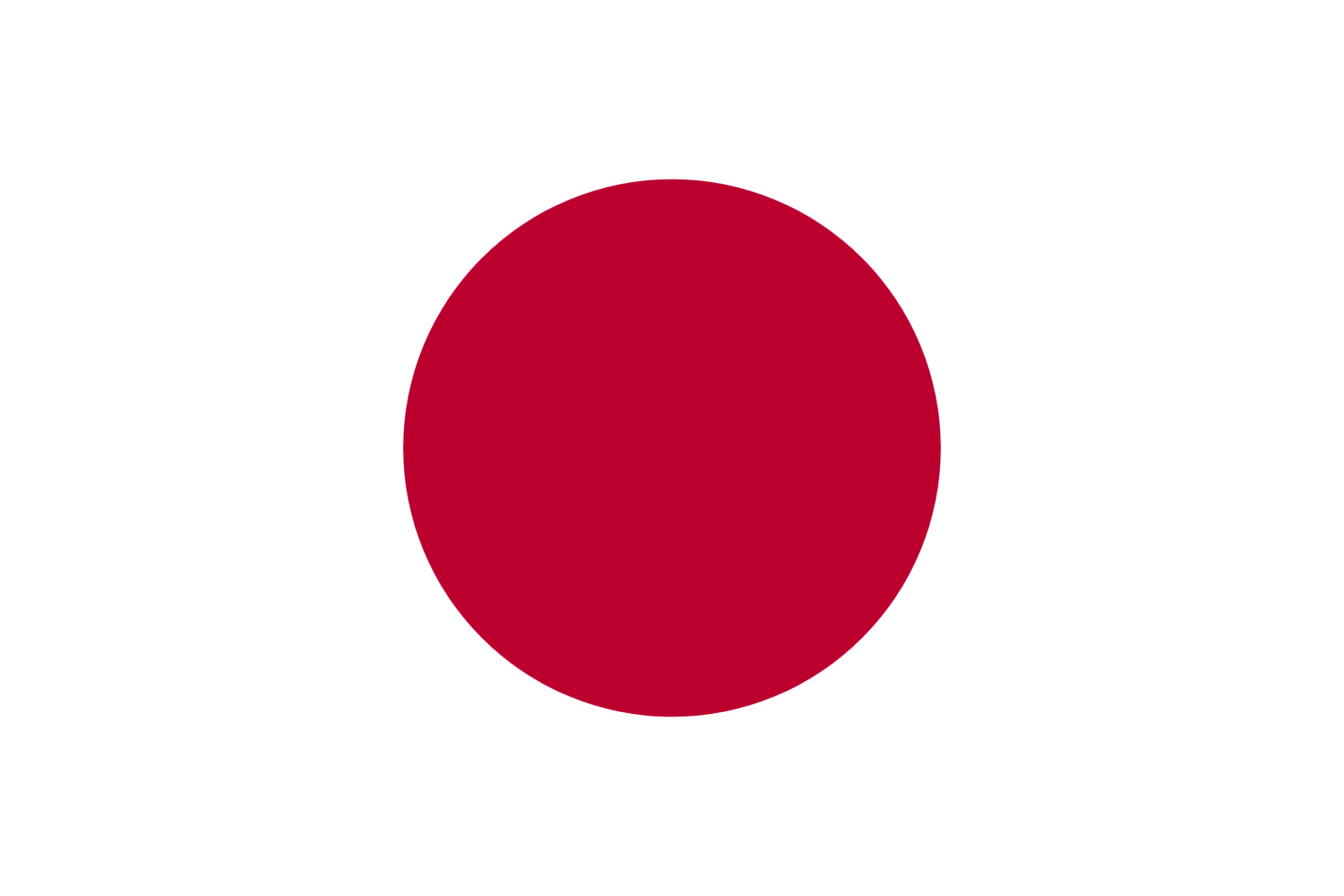
White
Often described as peace, purity or honesty. In practice it is also the classic "metal" of European heraldry (silver, shown as white), which is why it appears between stronger colours on so many tricolours.
Blue
Usually the sky, the sea or rivers, and often freedom or vigilance. Island and coastal nations use a lot of it. The light blue of the United Nations flag was chosen to be a colour of peace, distinct from the red of war.
Green
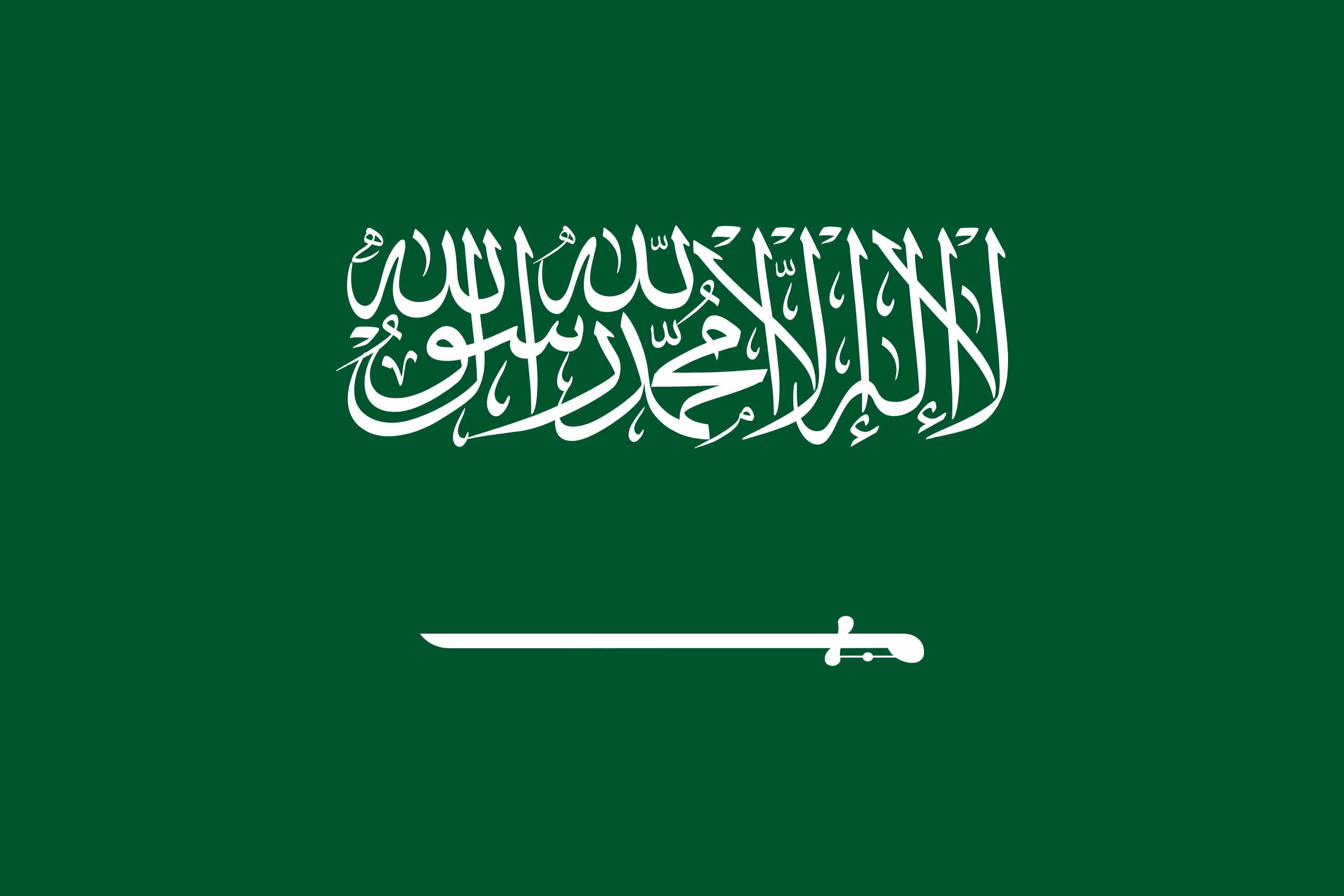
Land, farming, forests and hope, and in many Muslim-majority countries it is closely associated with Islam. Pakistan's flag is a well-documented case: the green field stands for the Muslim majority and the white stripe at the hoist for religious minorities. 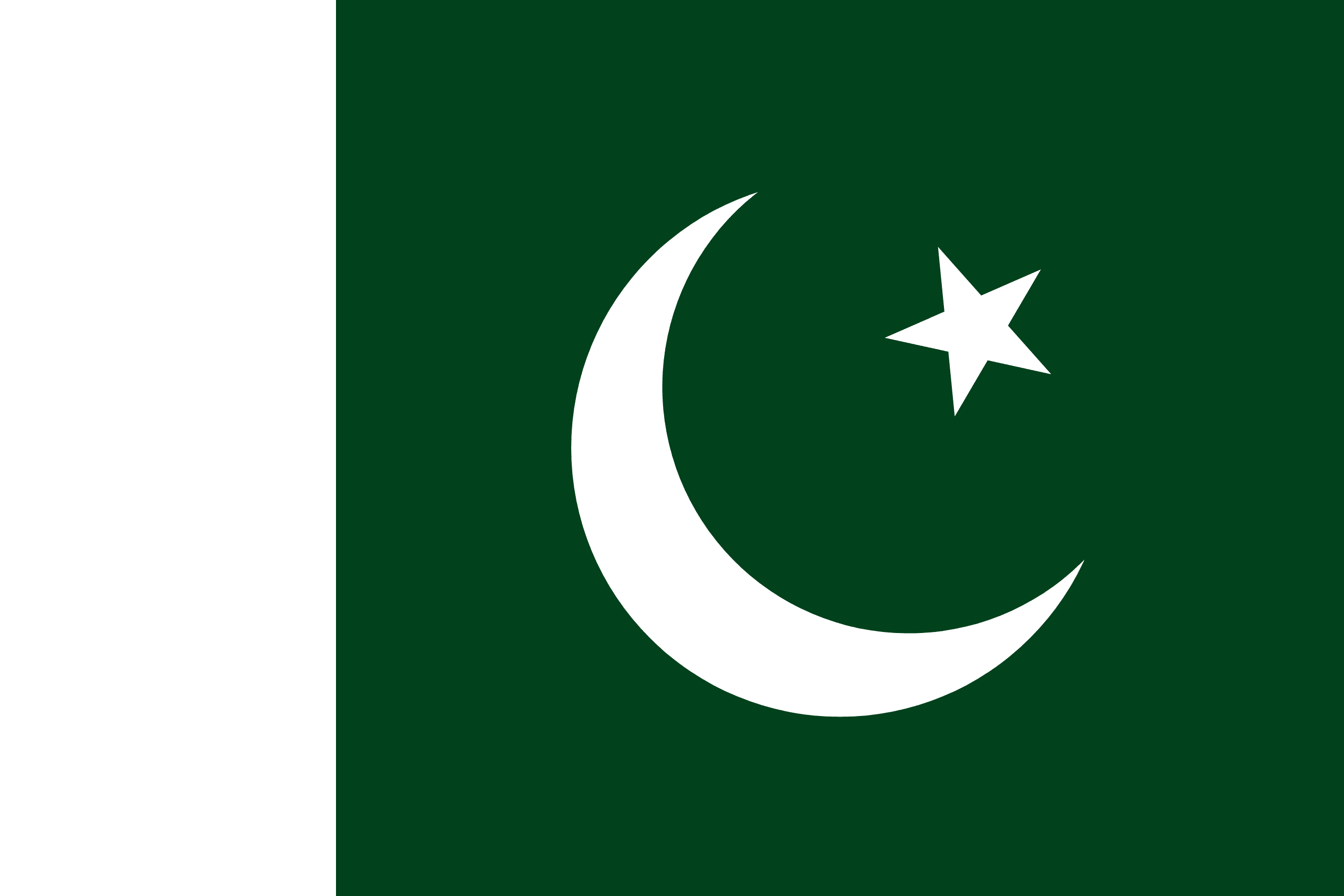
Yellow and gold
Wealth, minerals, the sun, or the harvest. It often appears as a small symbol, like a star or a sun, rather than as a wide stripe.
Black
Less common, and strongly tied to history: the people of a country (as on many African flags), mourning for a past, or determination.
Families of flags that share colours
Pan-African: green, yellow and red
These come from the flag of Ethiopia, admired across Africa as a country that kept its independence. When Ghana became independent in 1957 it adopted them, and many newly independent countries followed. 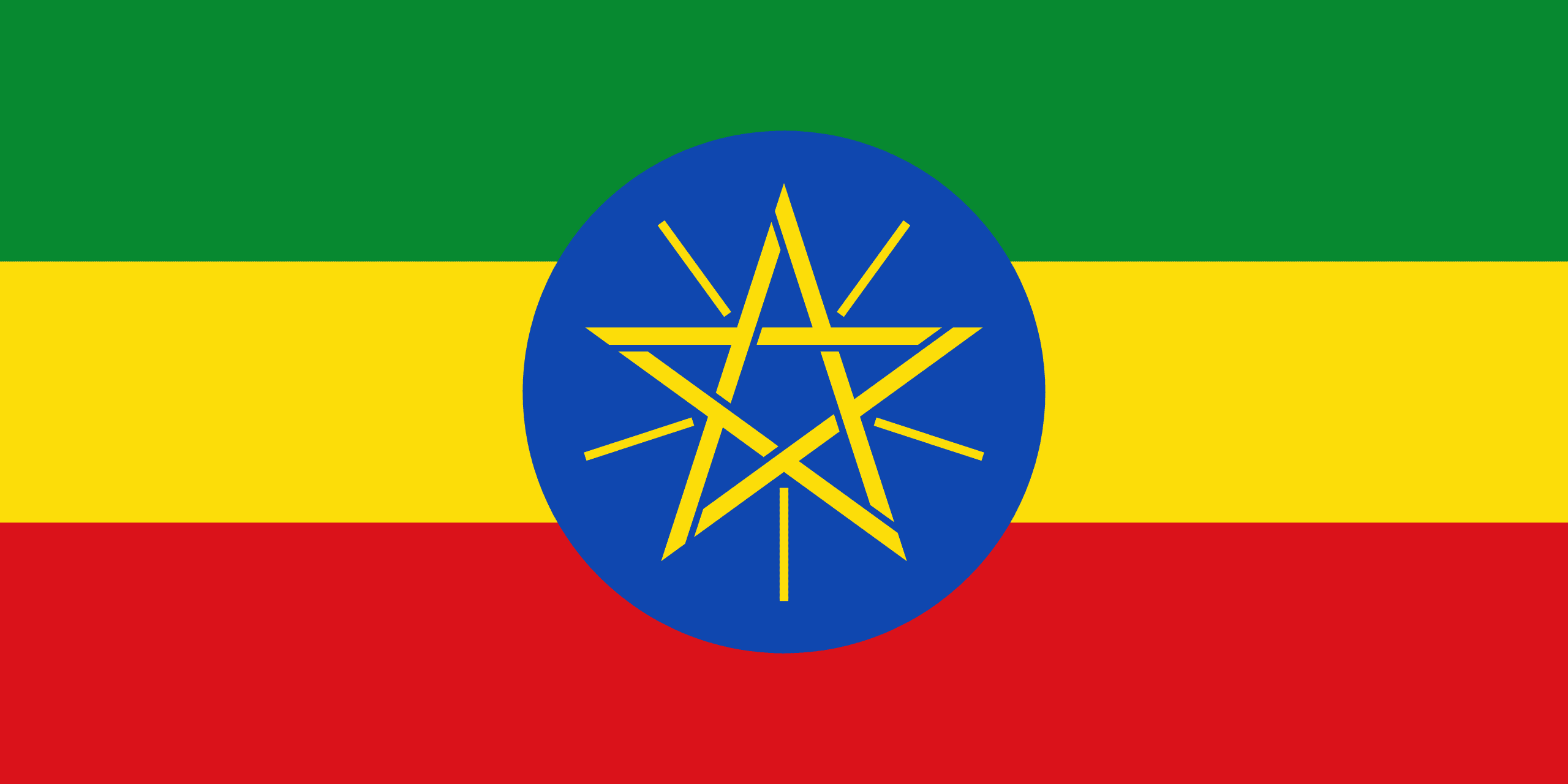
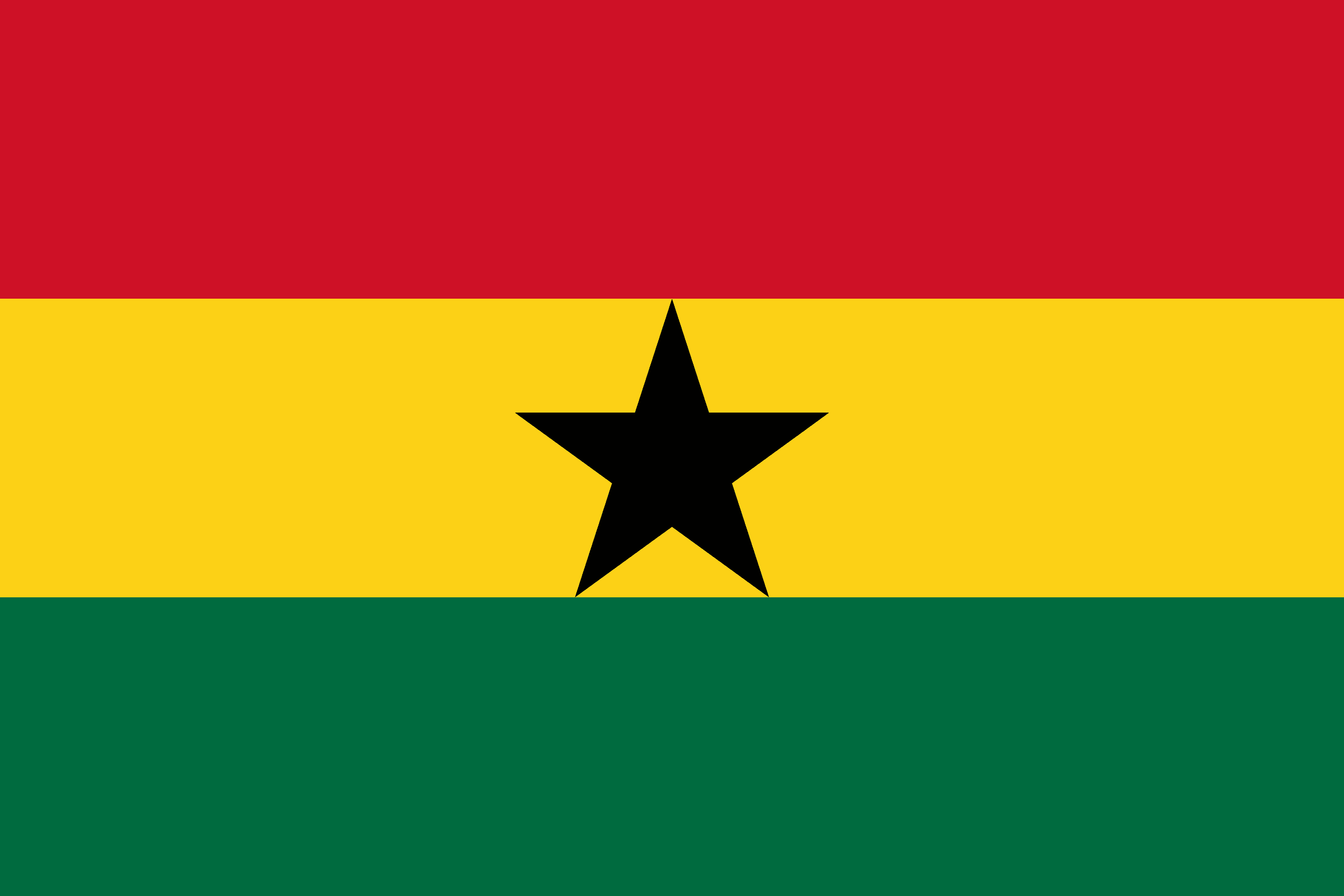
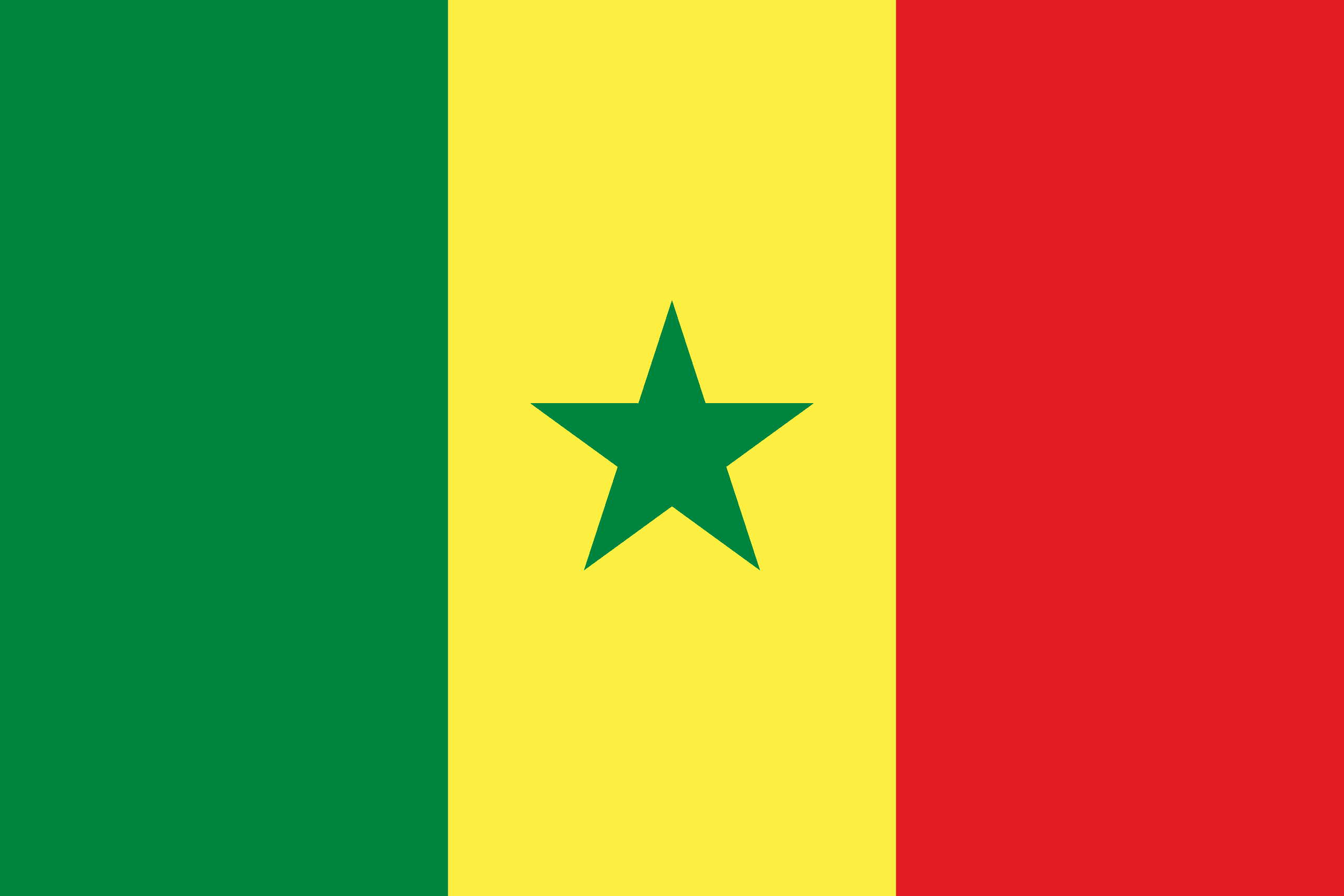
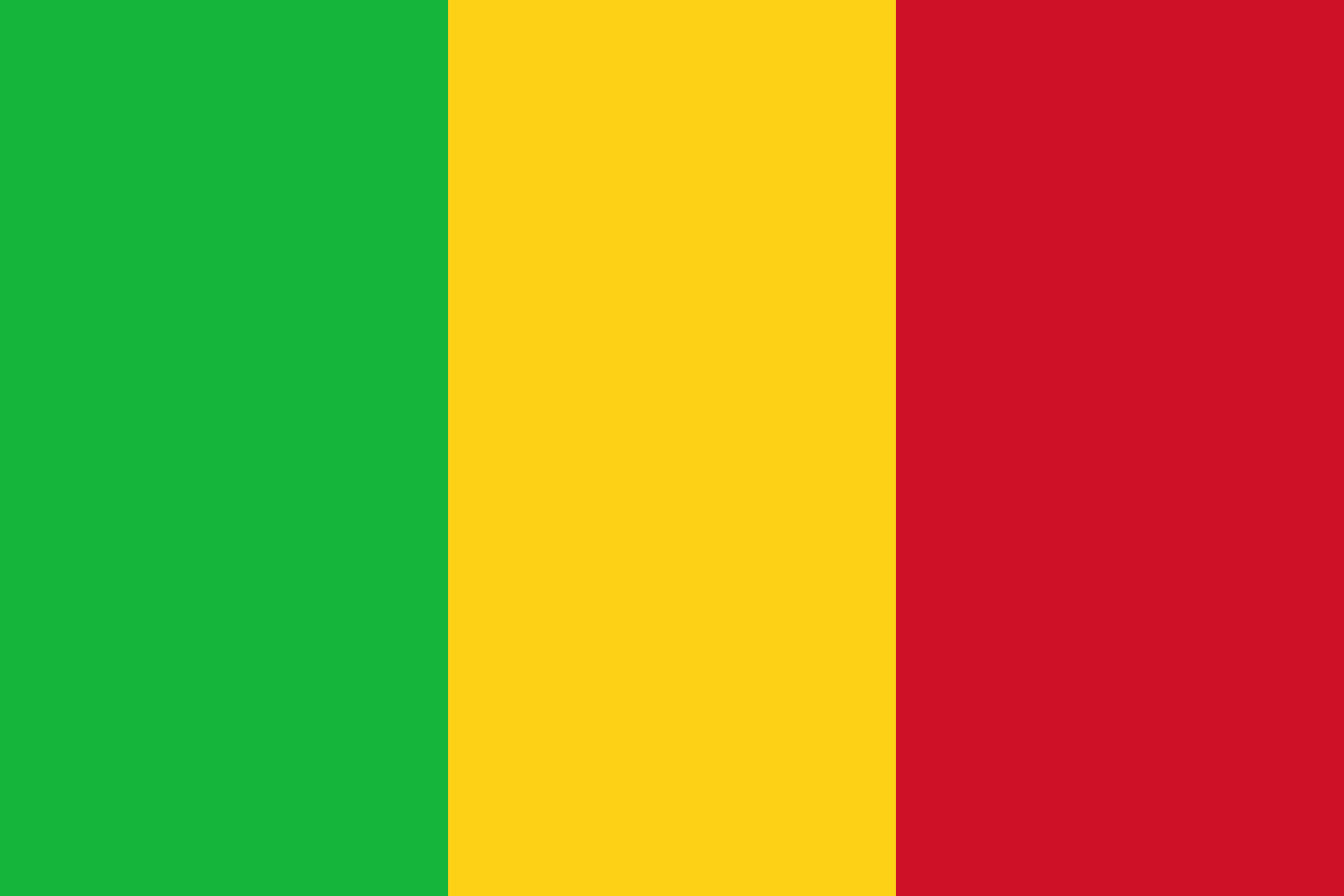 A second set, red, black and green, goes back to the flag adopted in 1920 by Marcus Garvey's movement.
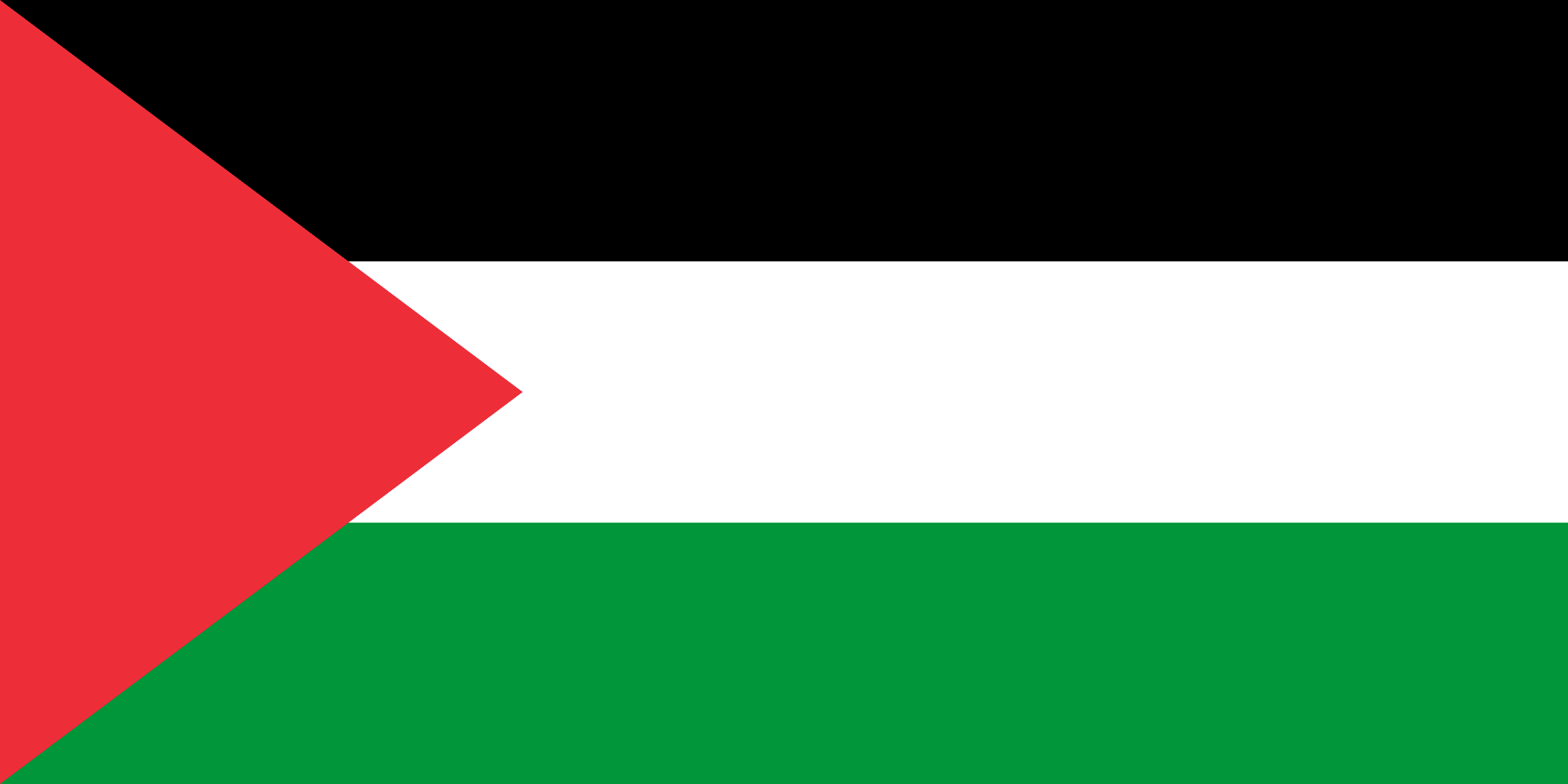
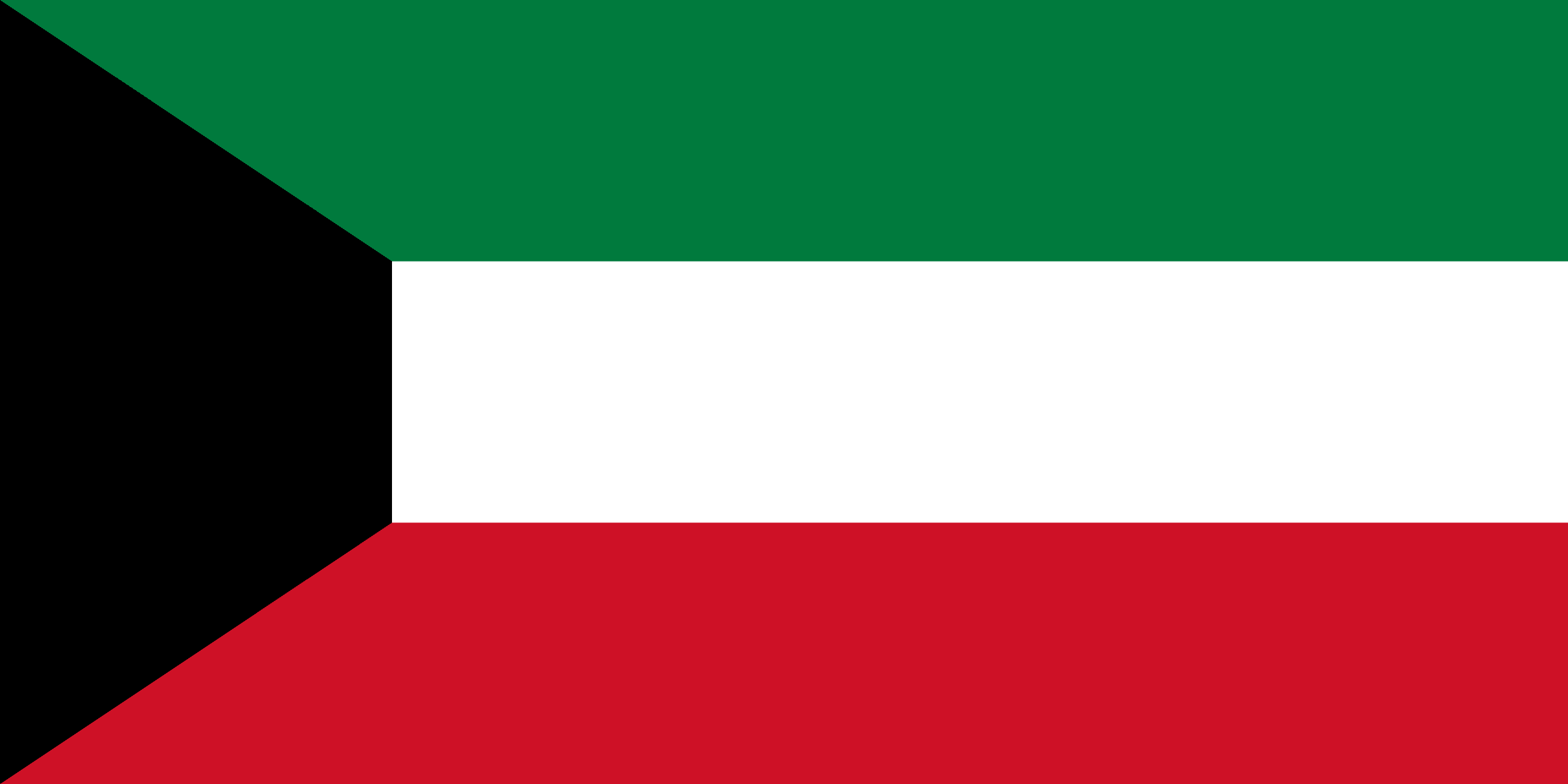
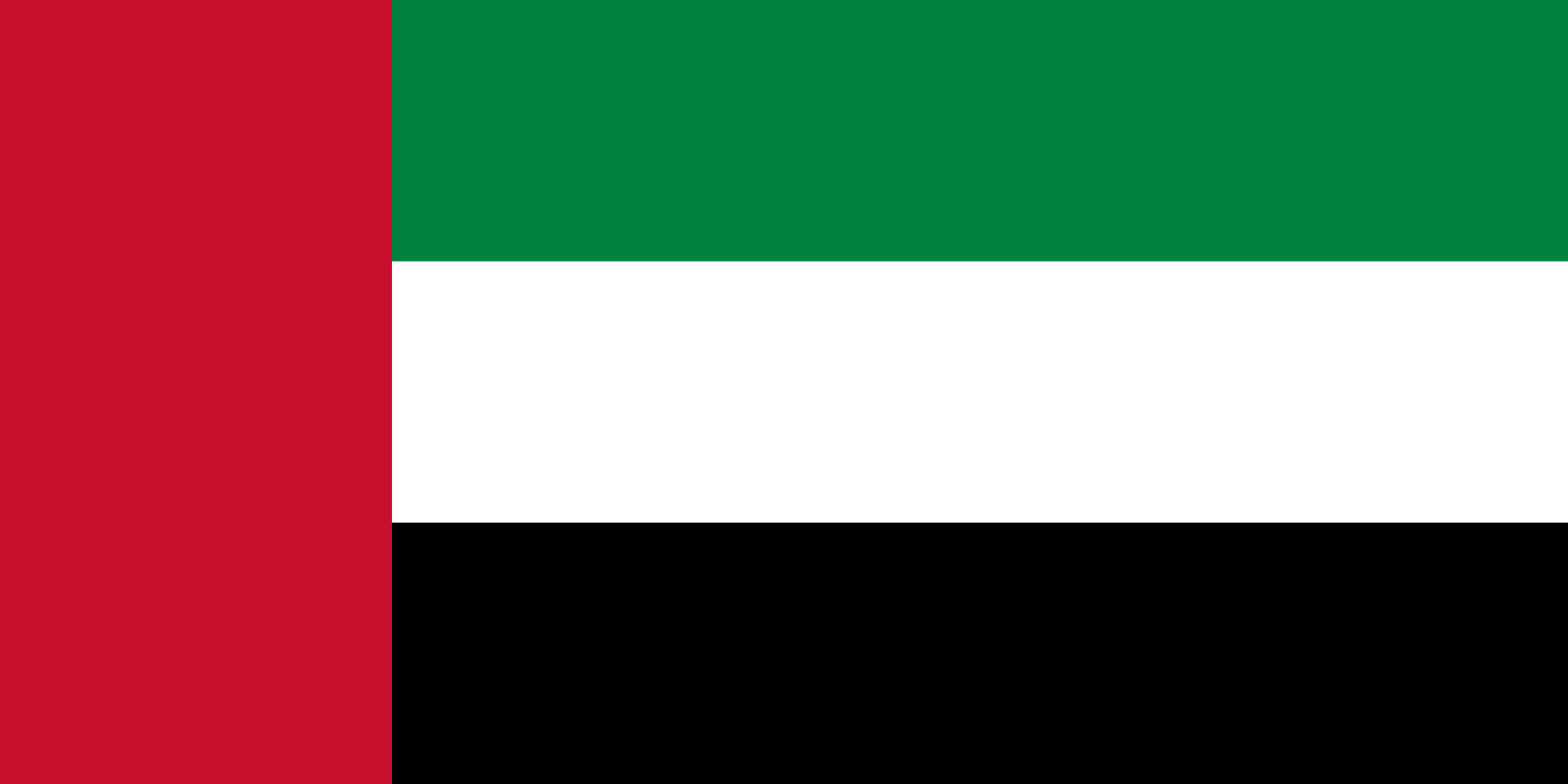
Pan-Arab: black, white, green and red
These come from the flag of the Arab Revolt of 1916. The colours are often linked to historical Arab dynasties. Jordan, Palestine, Kuwait and the United Arab Emirates all use them in different arrangements. 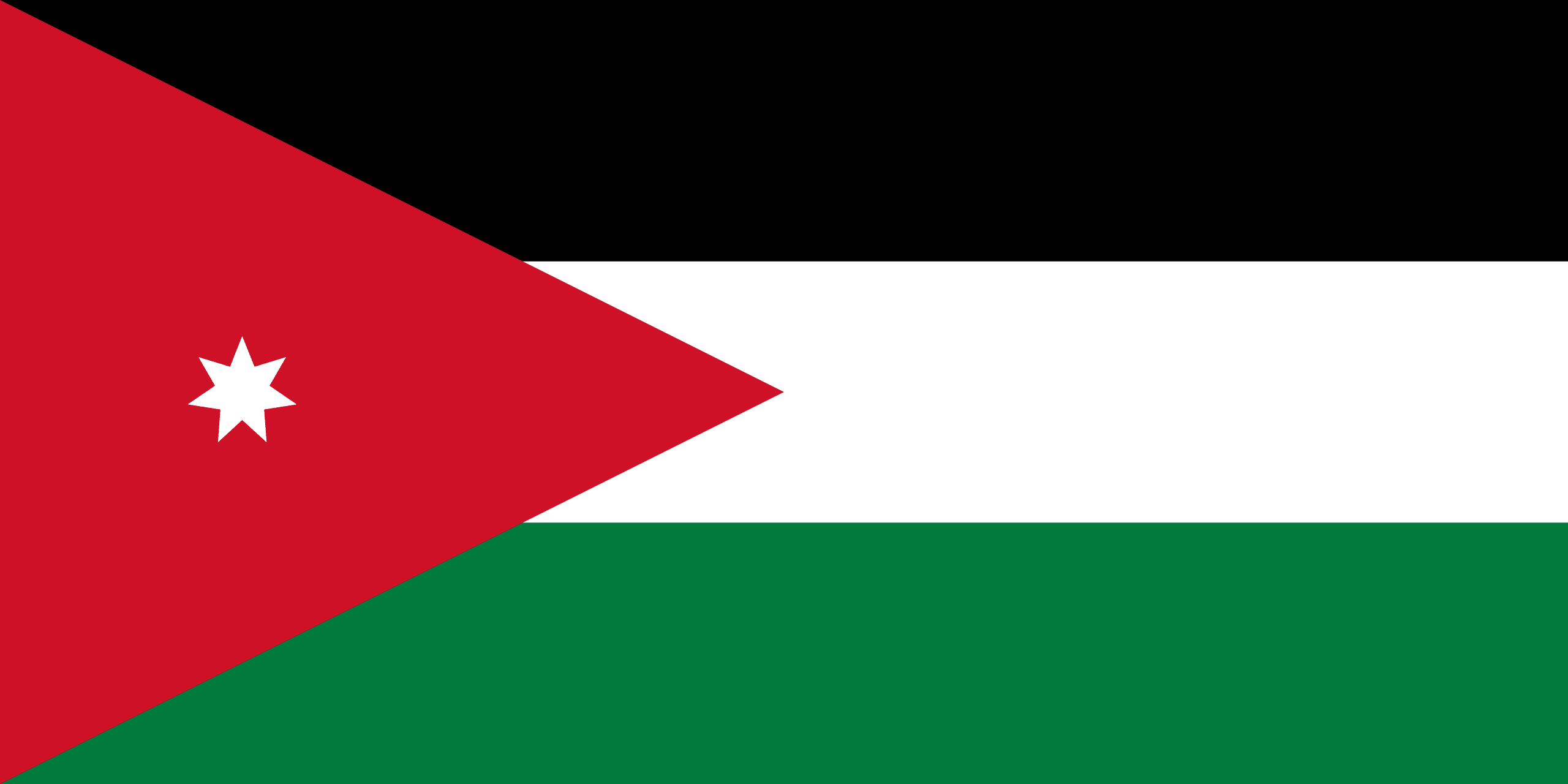
Pan-Slavic: white, blue and red
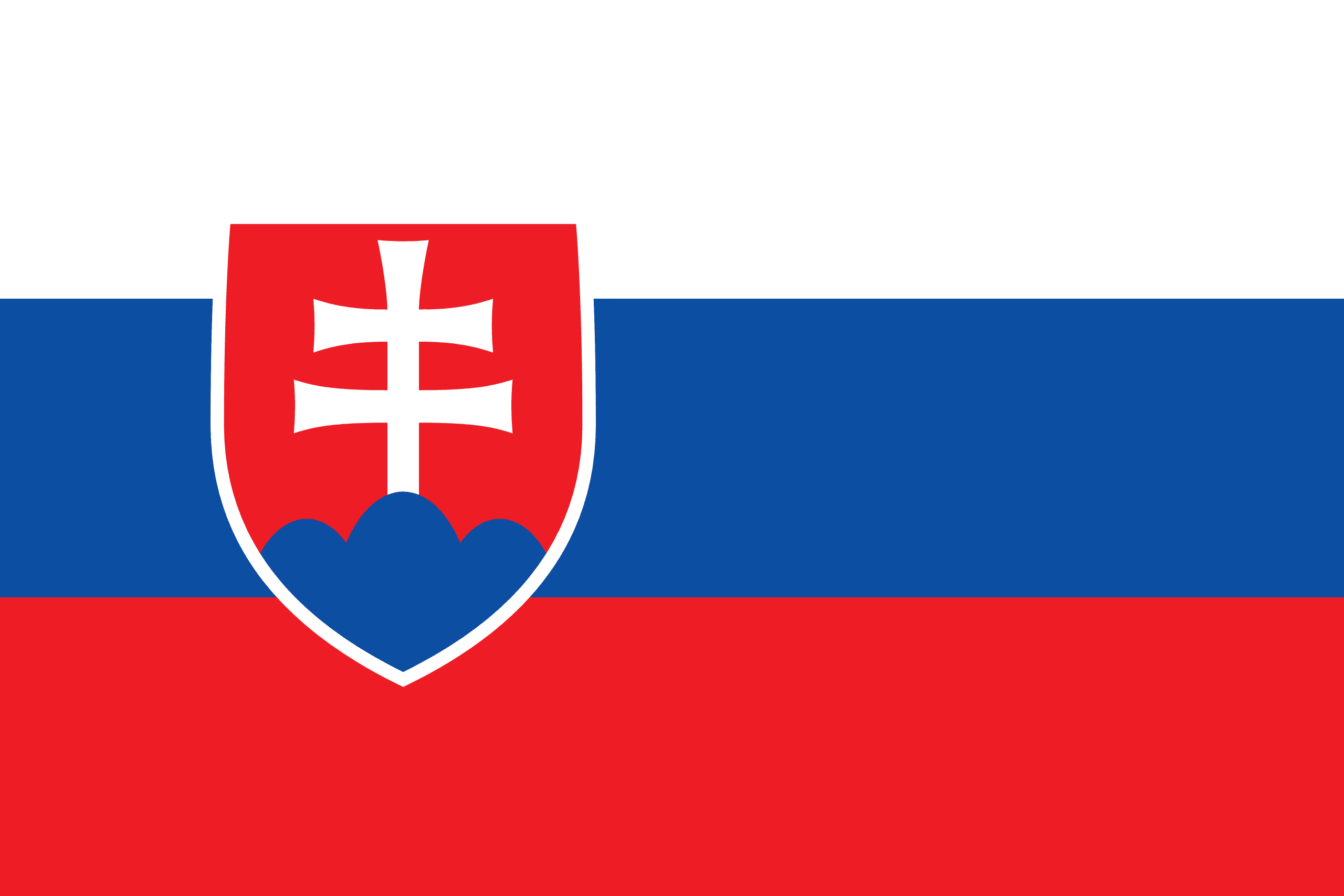
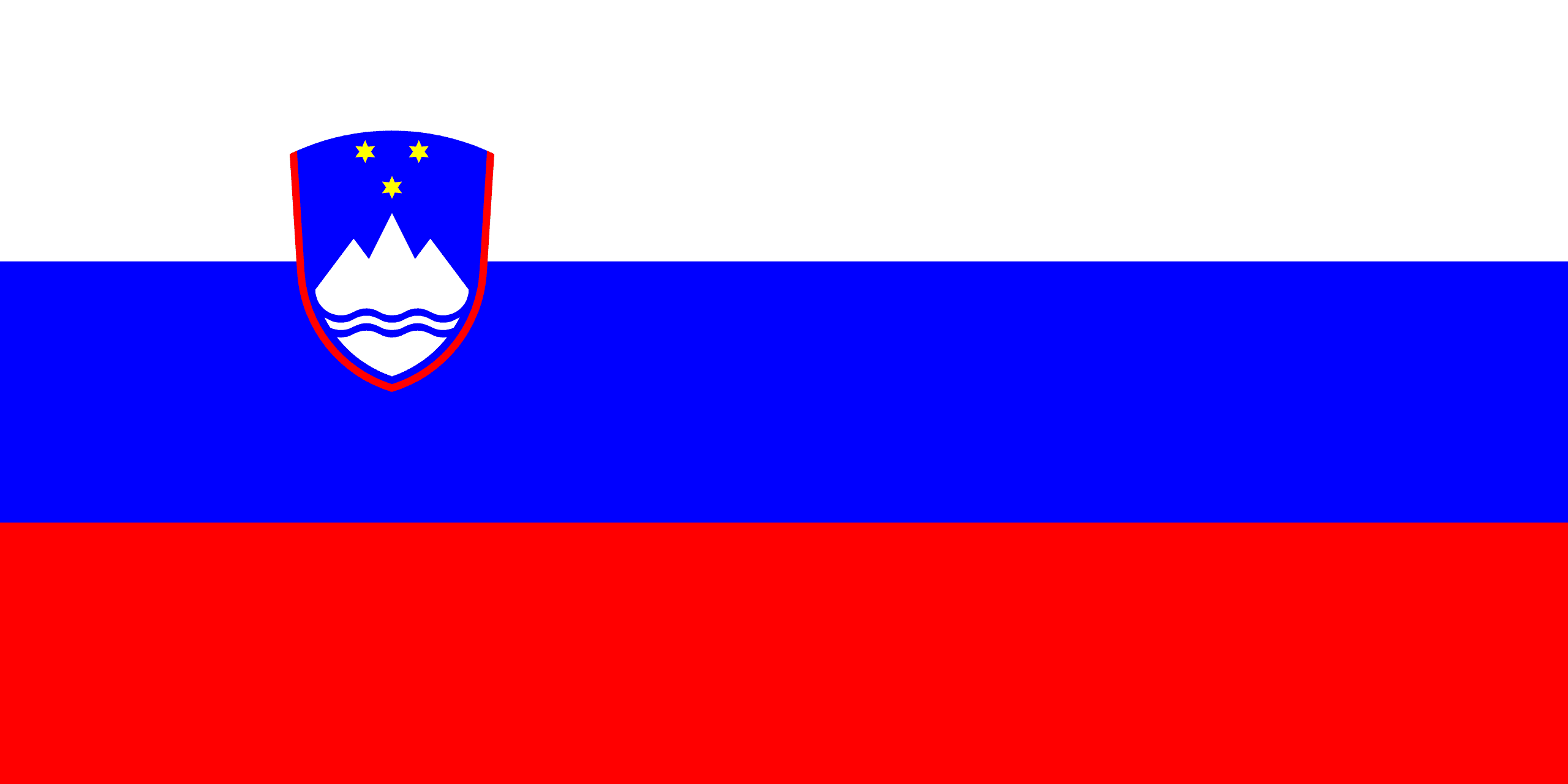
Adopted at the Slavic Congress in Prague in 1848 and inspired by the Russian flag. Russia, Serbia, Slovakia, Slovenia, Croatia and the Czech Republic all use them. 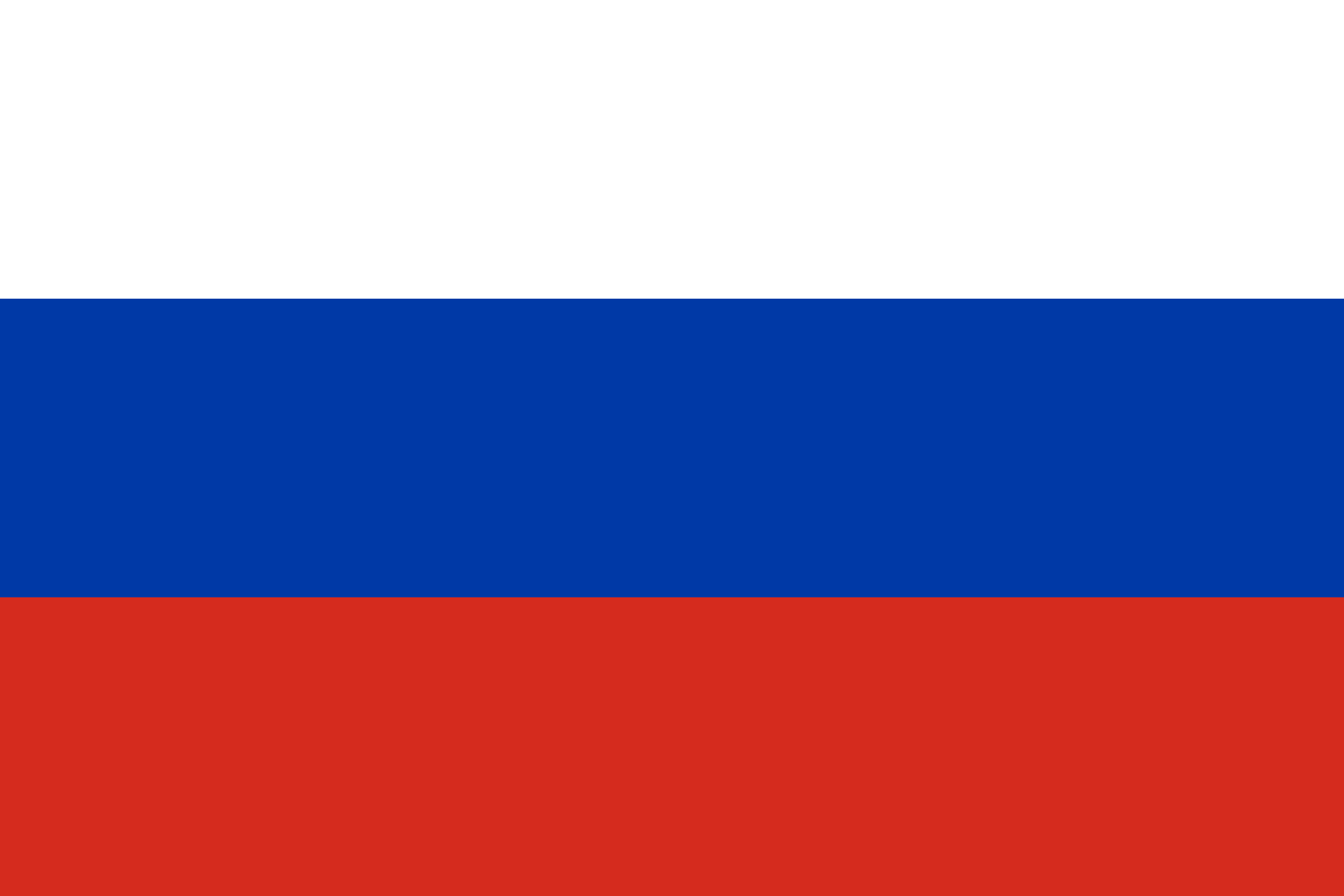
The Nordic cross
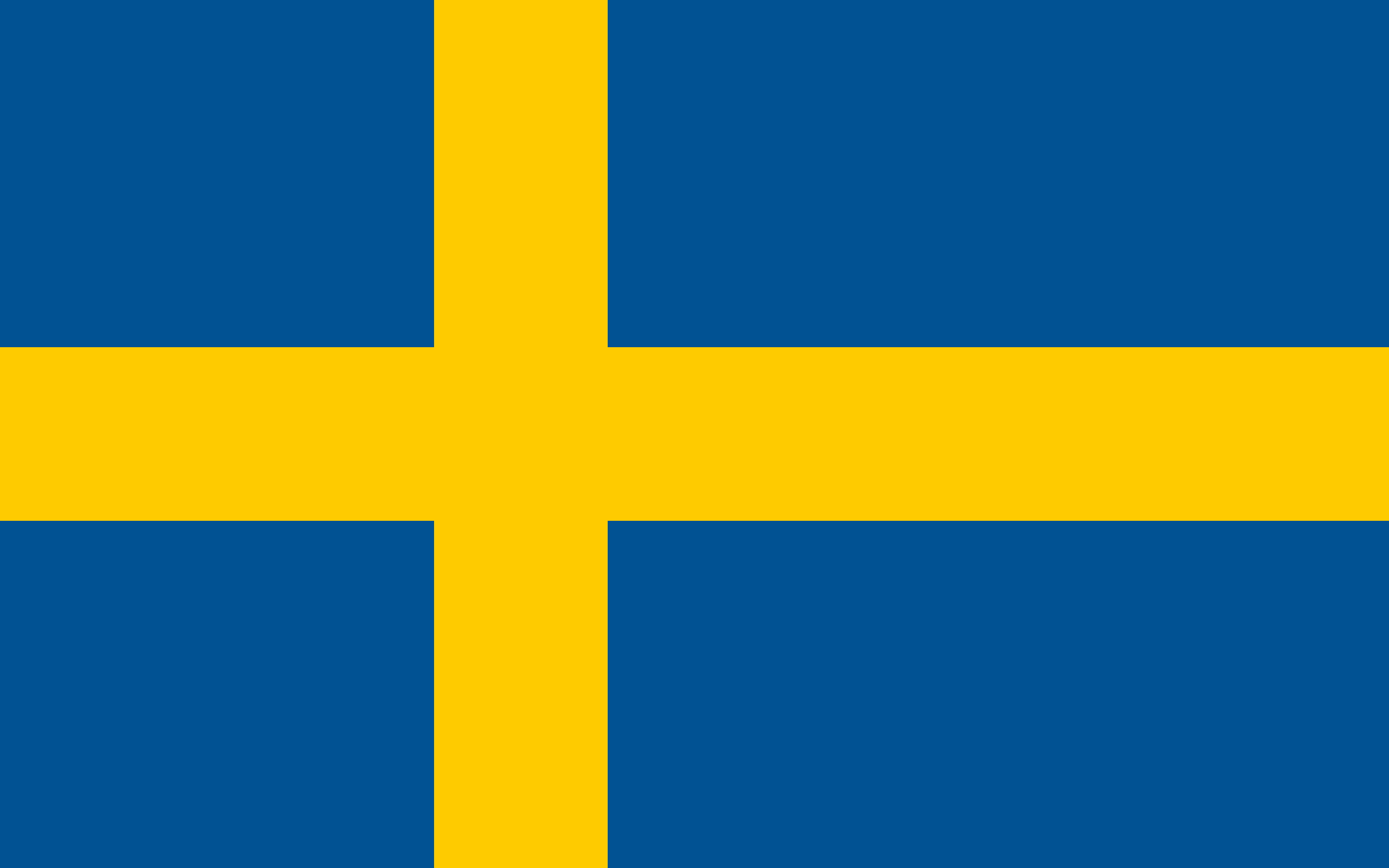
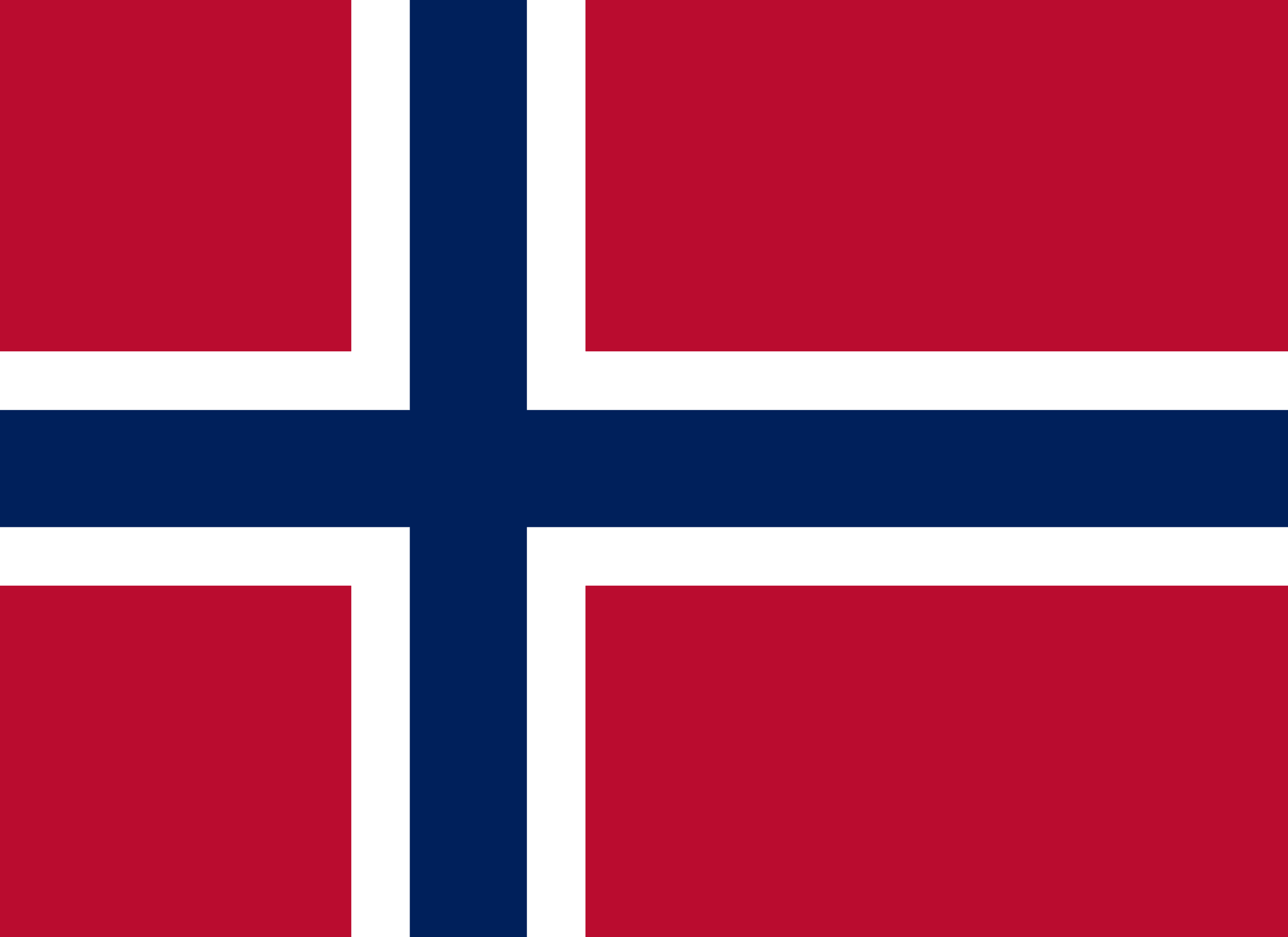
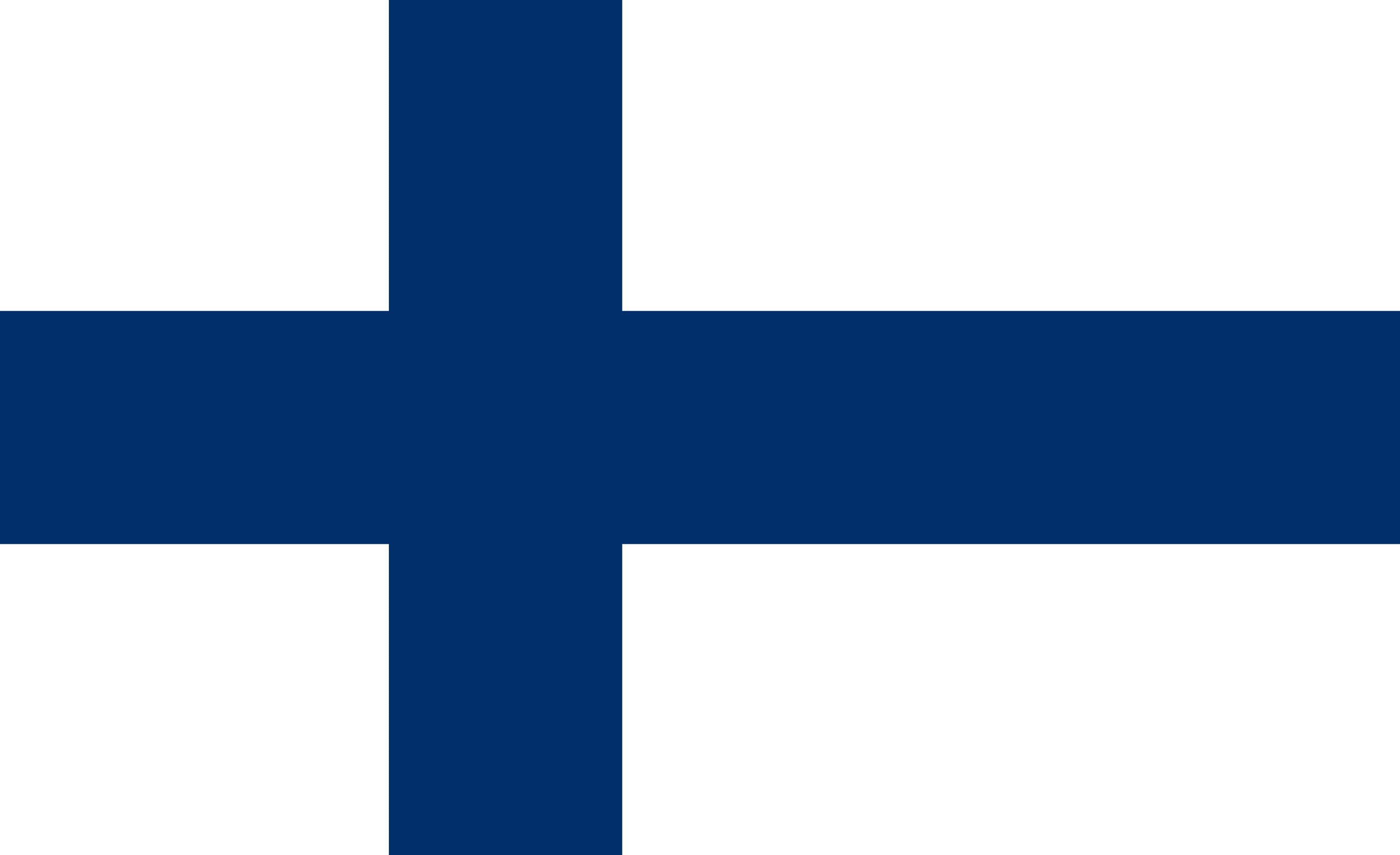
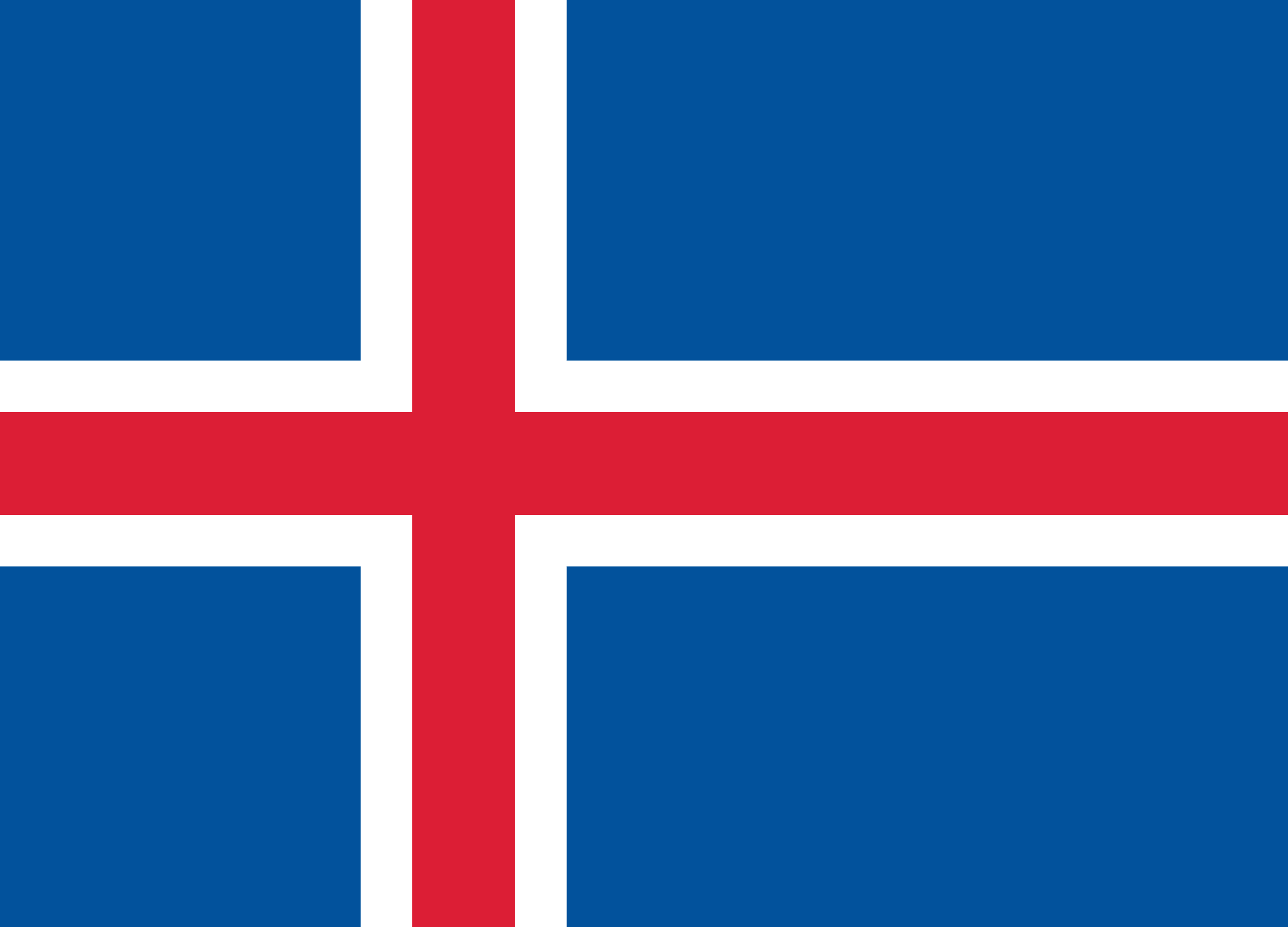
Denmark's flag, the Dannebrog, is traditionally dated to 1219 and is often called the oldest national flag still in use. Its cross, shifted towards the pole, was taken up by Sweden, Norway, Finland and Iceland. 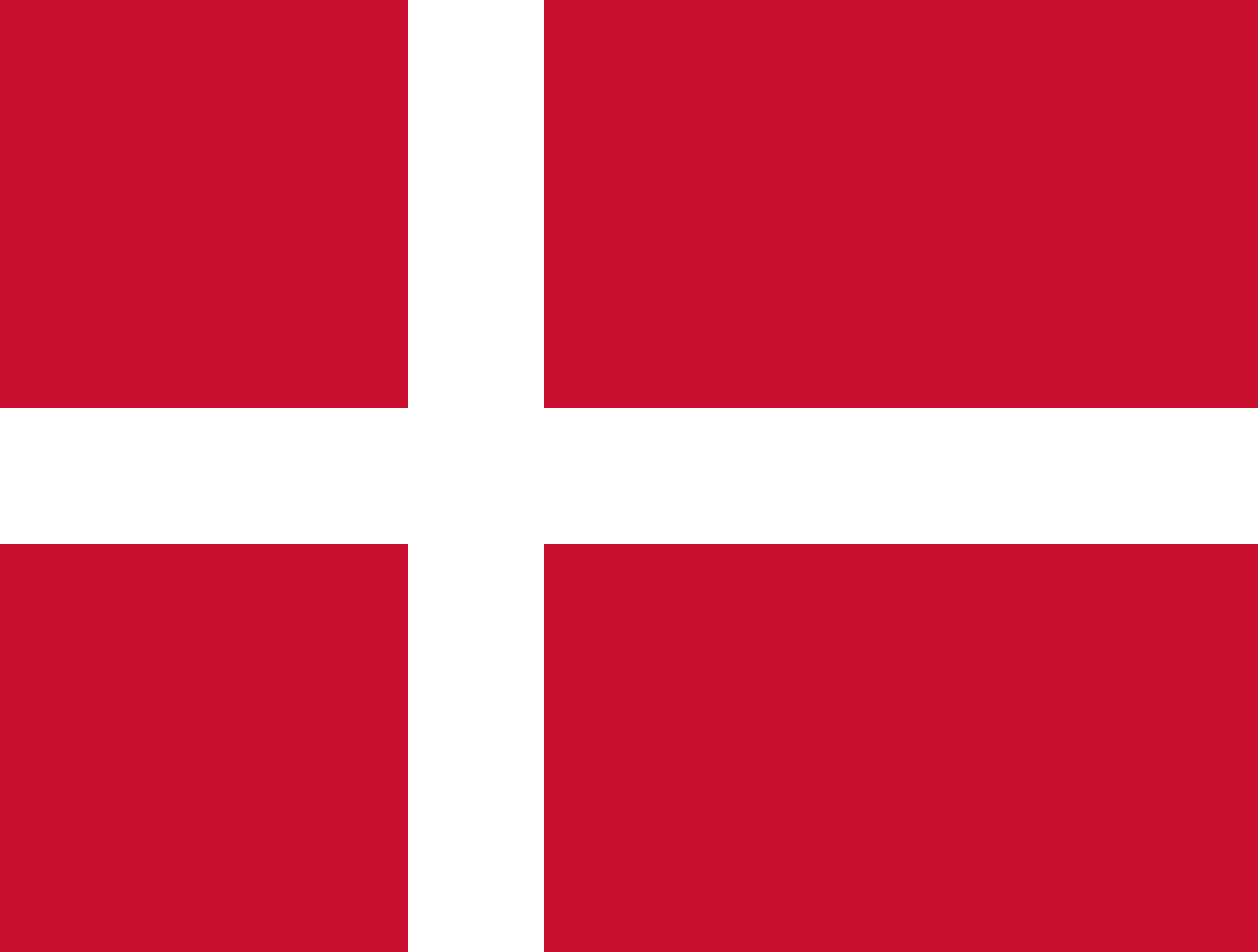
Tricolours after France
The French tricolour of the 1790s made three equal stripes the shape of a modern nation, and many flags from Italy to Ireland follow the same plan with their own colours.
Same colour, different shade
Many countries define their colours precisely, with exact shades and proportions in law. That is why two flags that "use red" can look surprisingly different side by side, and why some pairs of flags are almost impossible to tell apart. We collected the best examples in Flags that look alike.
Try it in the arena
Next time you watch a round, look for the families: how many green, yellow and red flags are still in the ring, and which colour family wins most often in your chat. It is a fun way to learn flags, and it turns into a great question for viewers.
What 120 flags mean, their history and sources: Flags of the world.