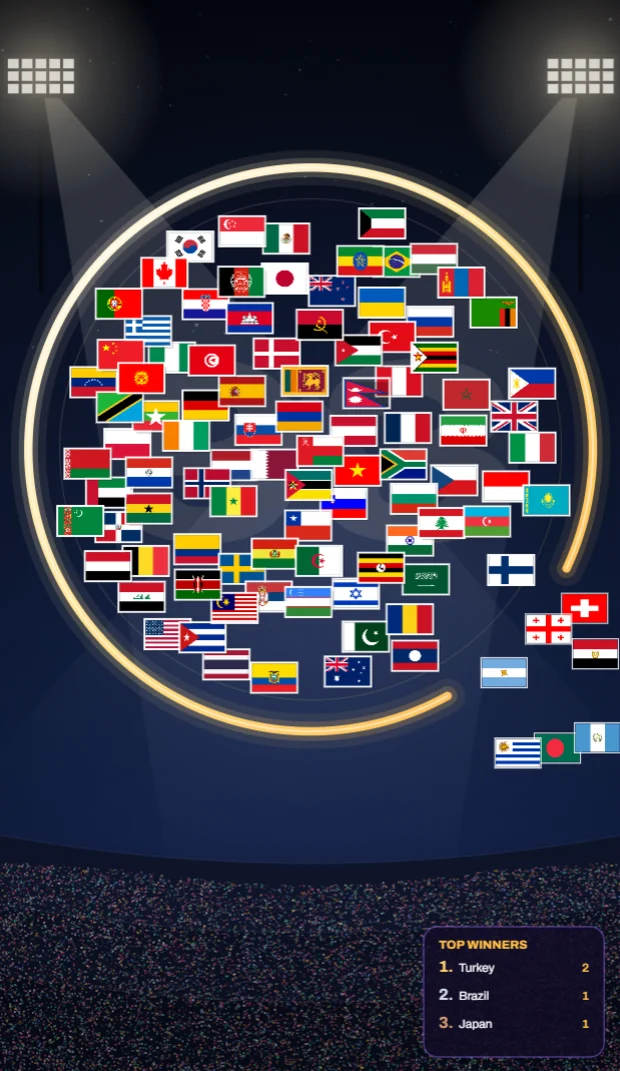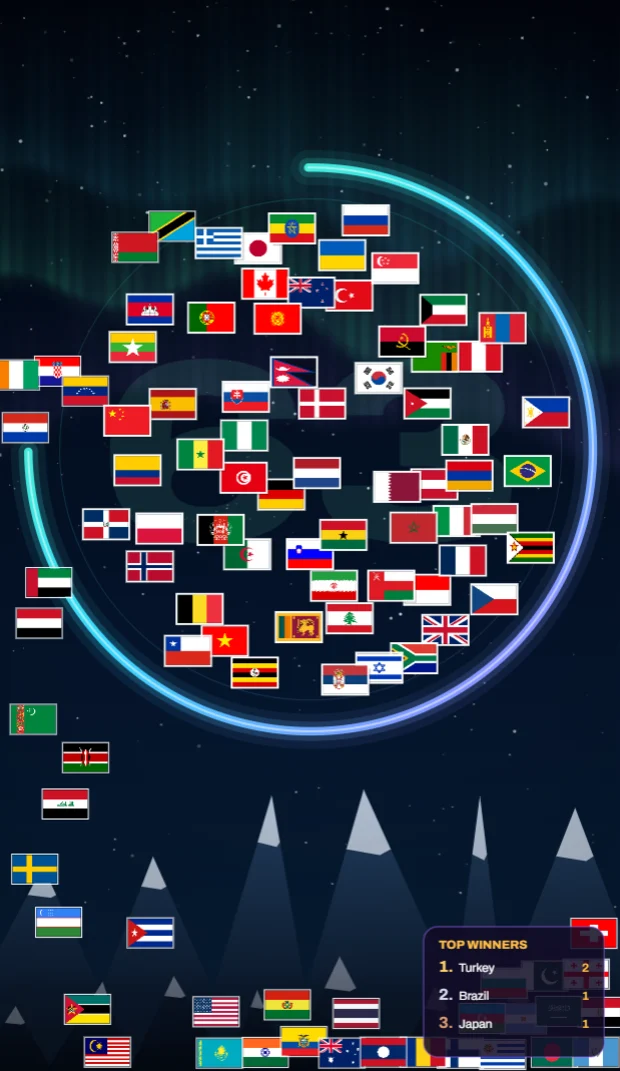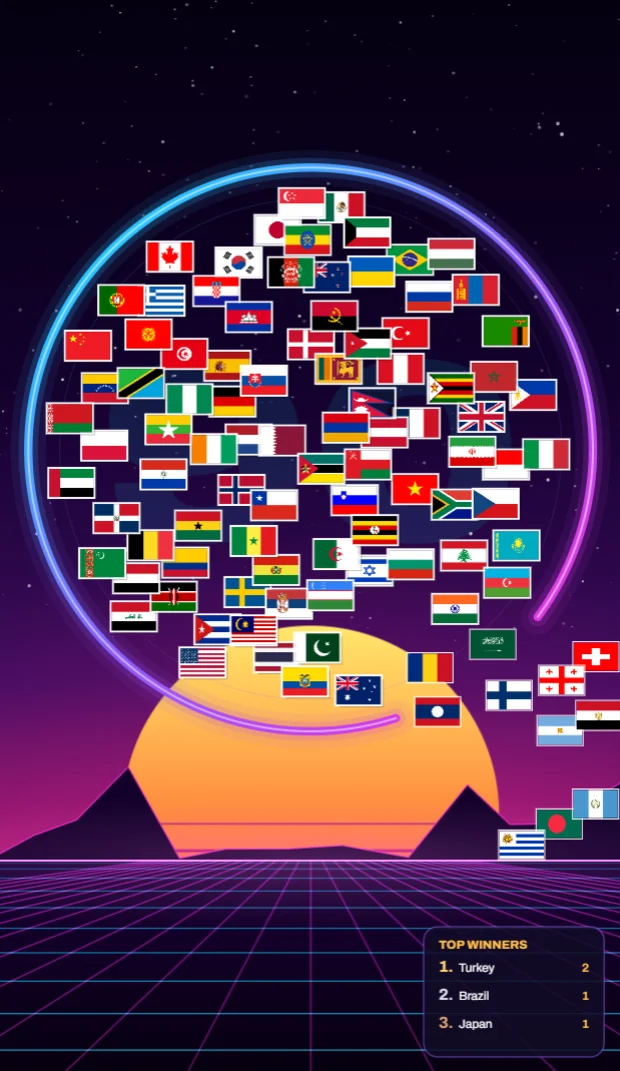
When 255 flags fly around an arena at once, the eye takes shortcuts. Most of the time a colour is enough to recognise a country. For the pairs below it is not: their colours are the same, or almost the same, and you need to know where to look.
Chad and Romania
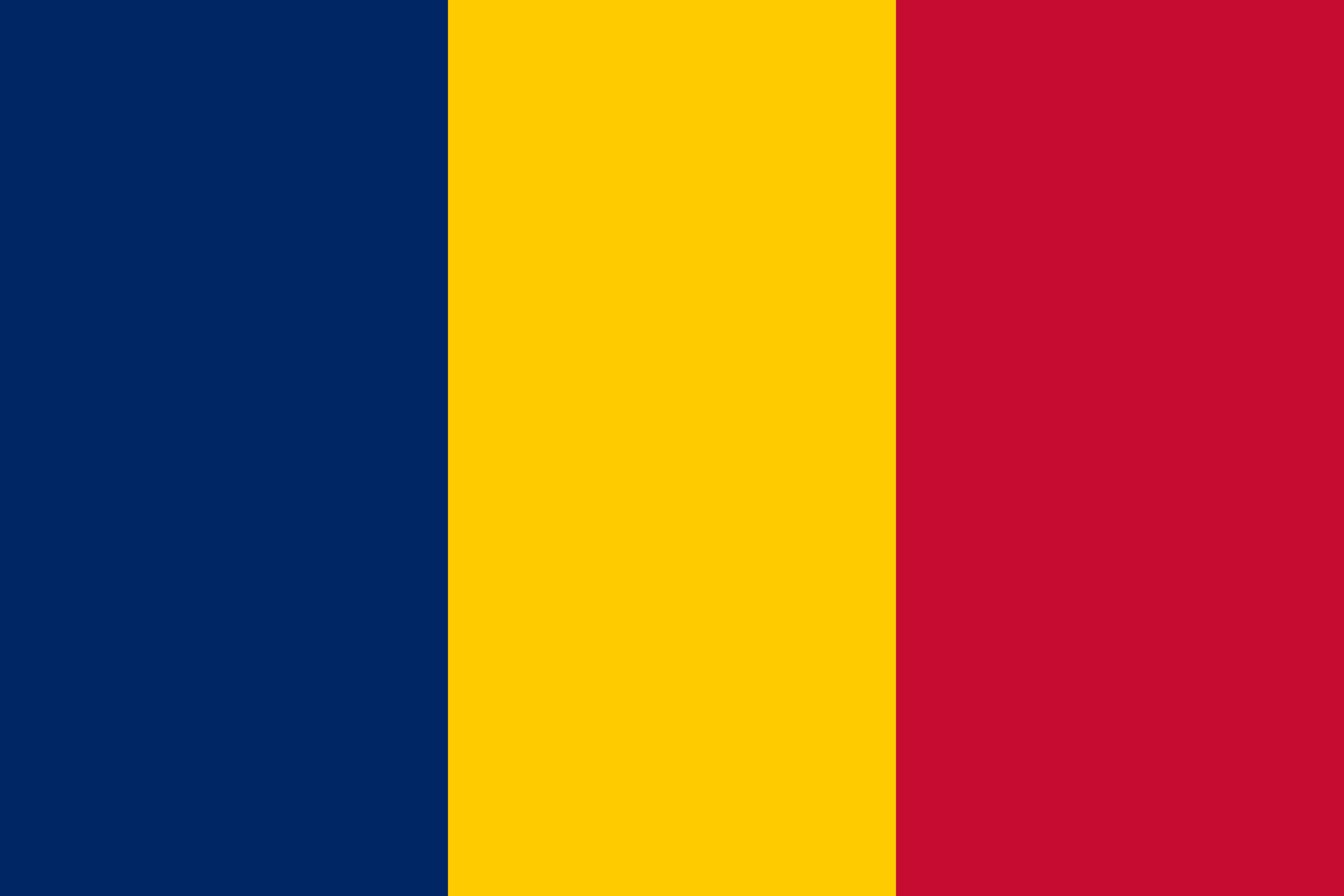
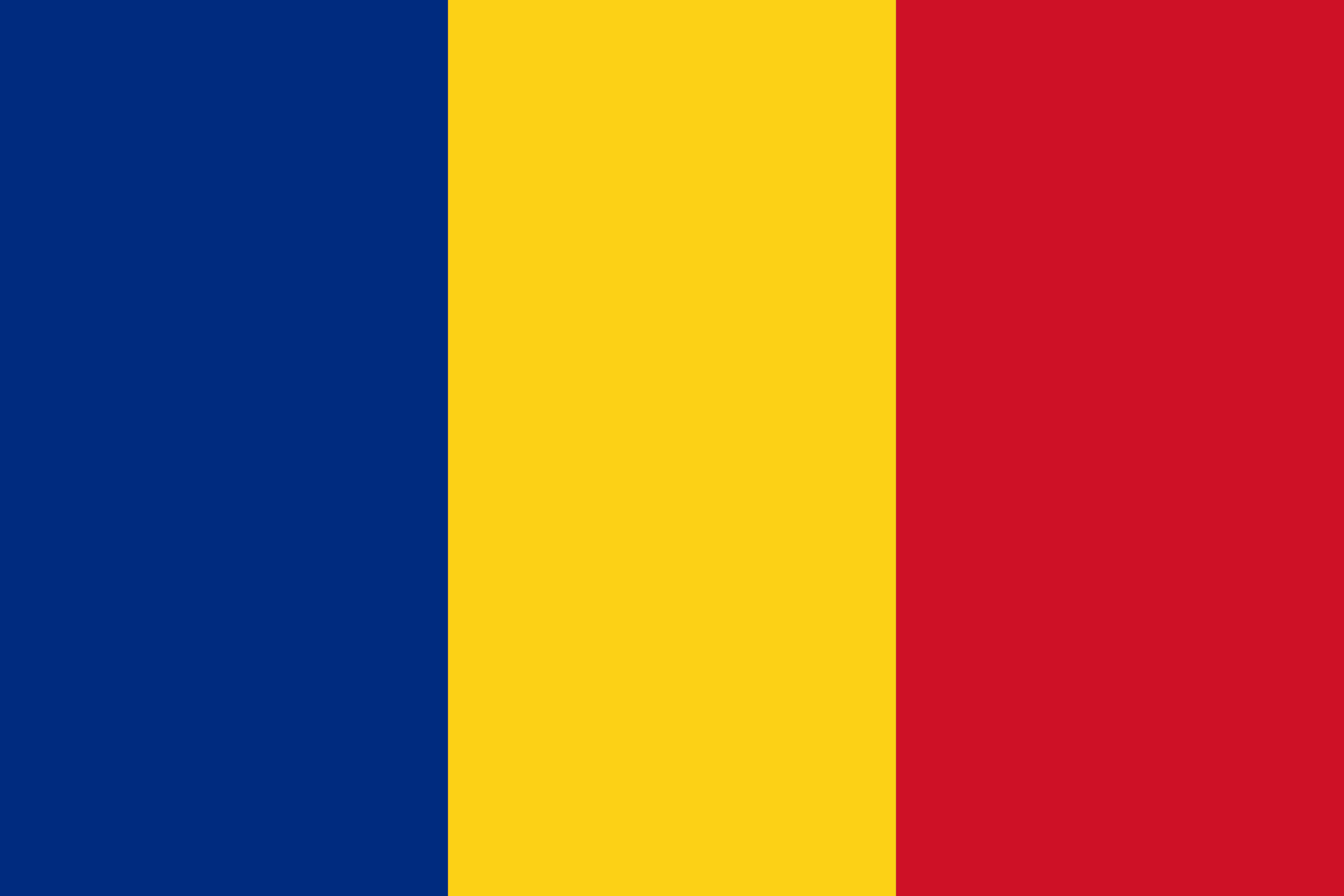
Two vertical tricolours in blue, yellow and red, in the same order. The difference is the shade of blue: Chad's is darker, close to indigo, and Romania's is a lighter cobalt. Without both side by side, even experts hesitate. Romania has used the plain tricolour since 1989, when the communist emblem was cut out of its centre; Chad adopted its flag in 1959, and in 2004 even raised the similarity at the United Nations.
Indonesia and Monaco
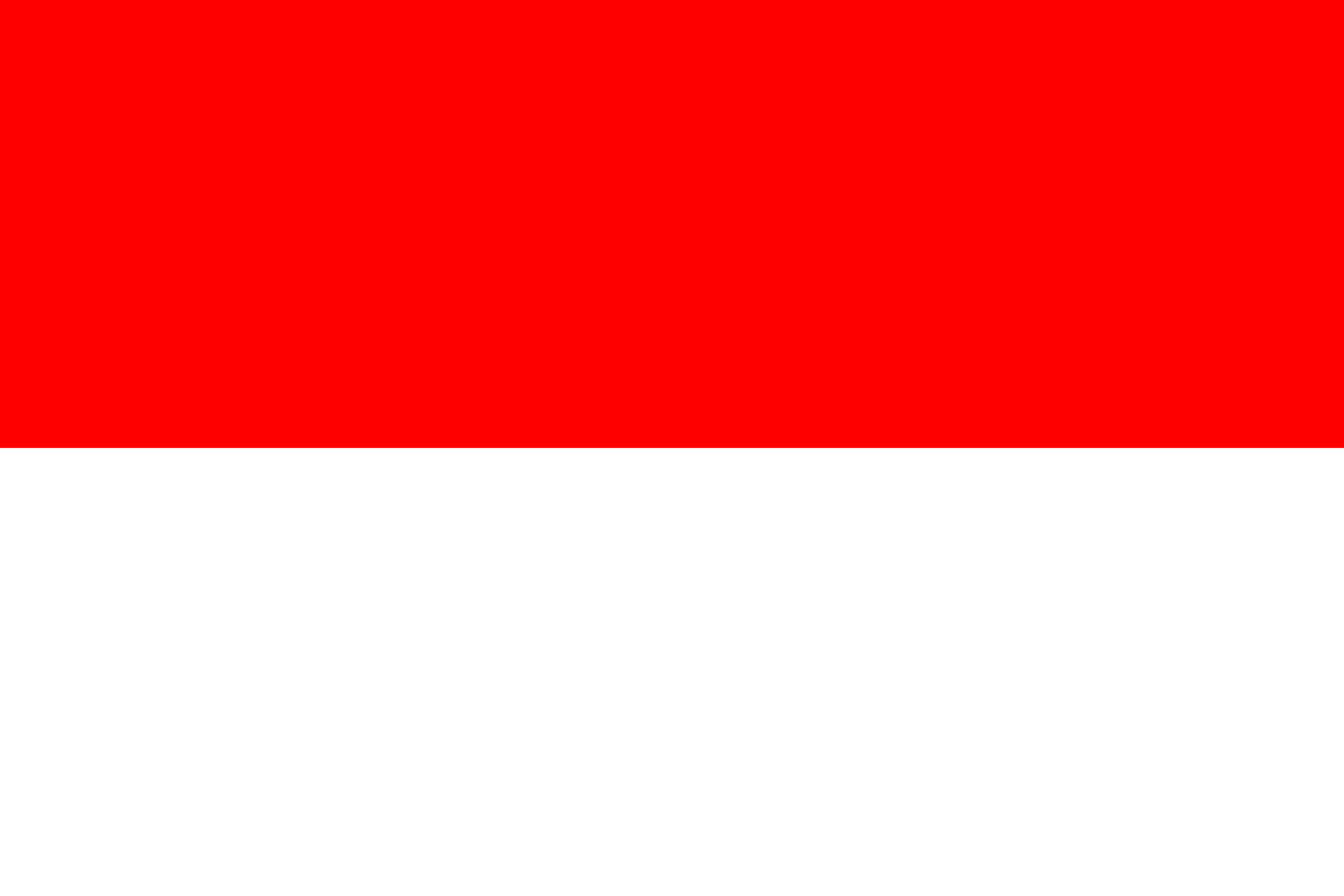
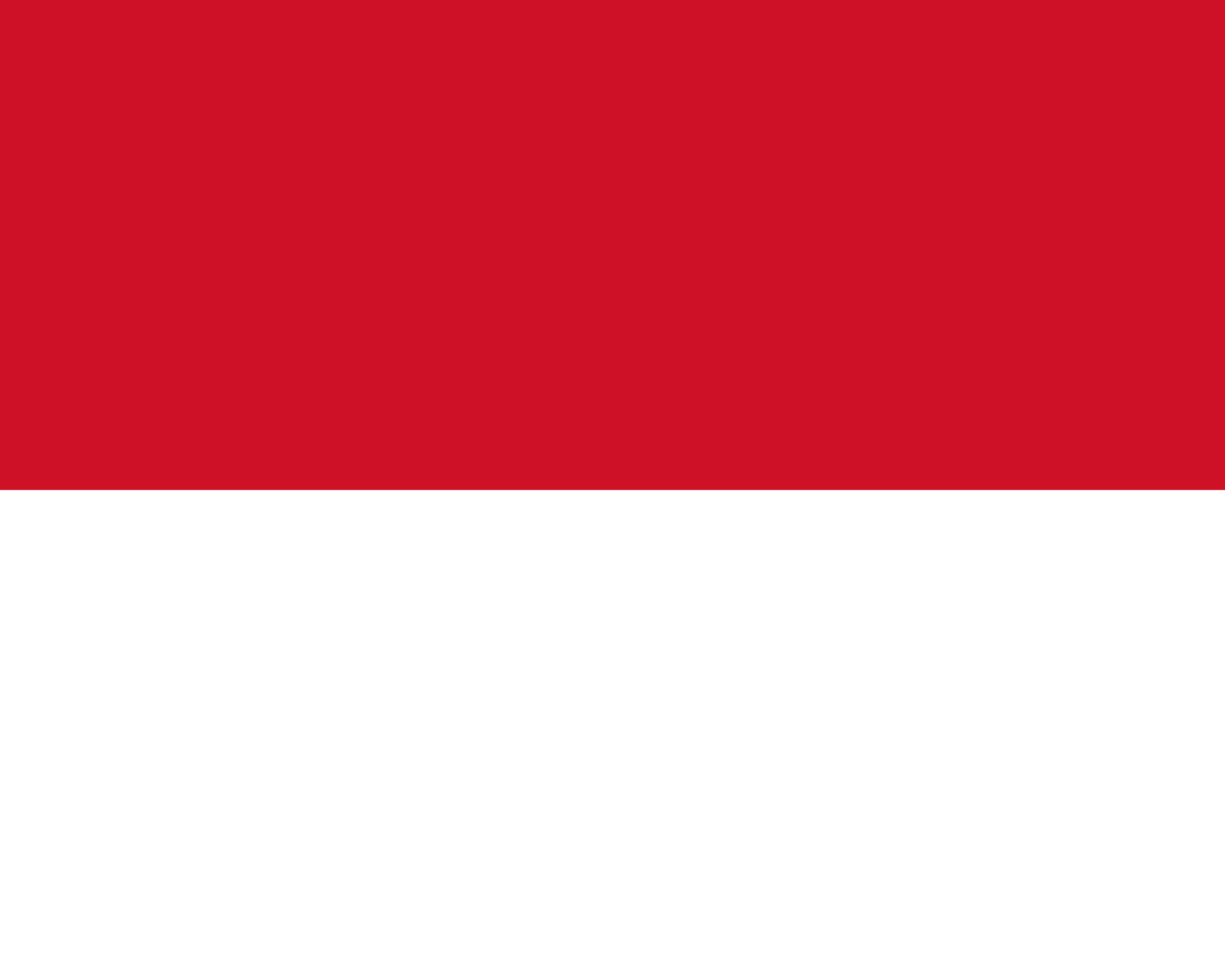
Red over white, both of them. The only difference is the shape: Indonesia's flag is longer (2:3), Monaco's is closer to square (4:5). Poland is the same two colours the other way round, white over red.
The Netherlands and Luxembourg
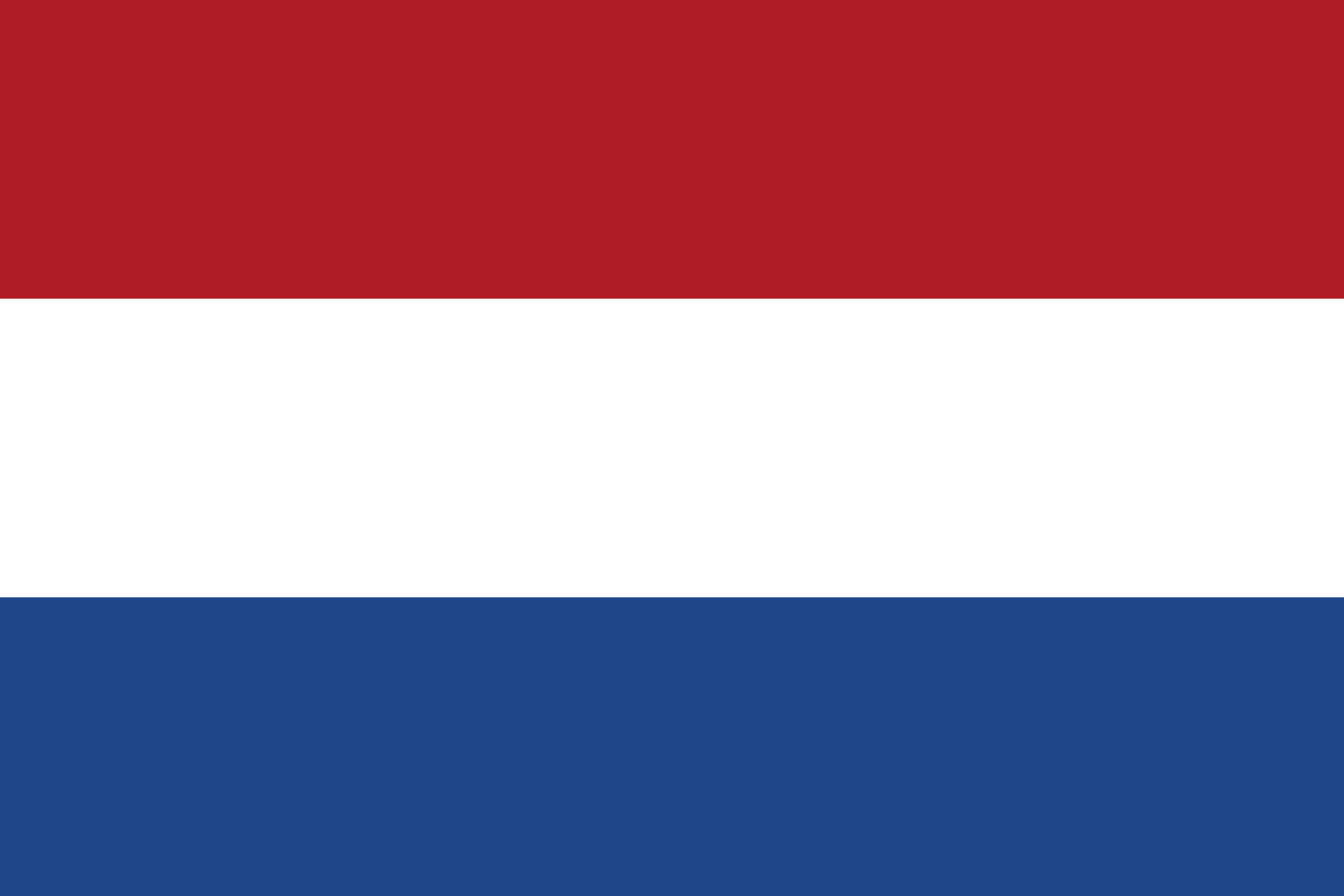
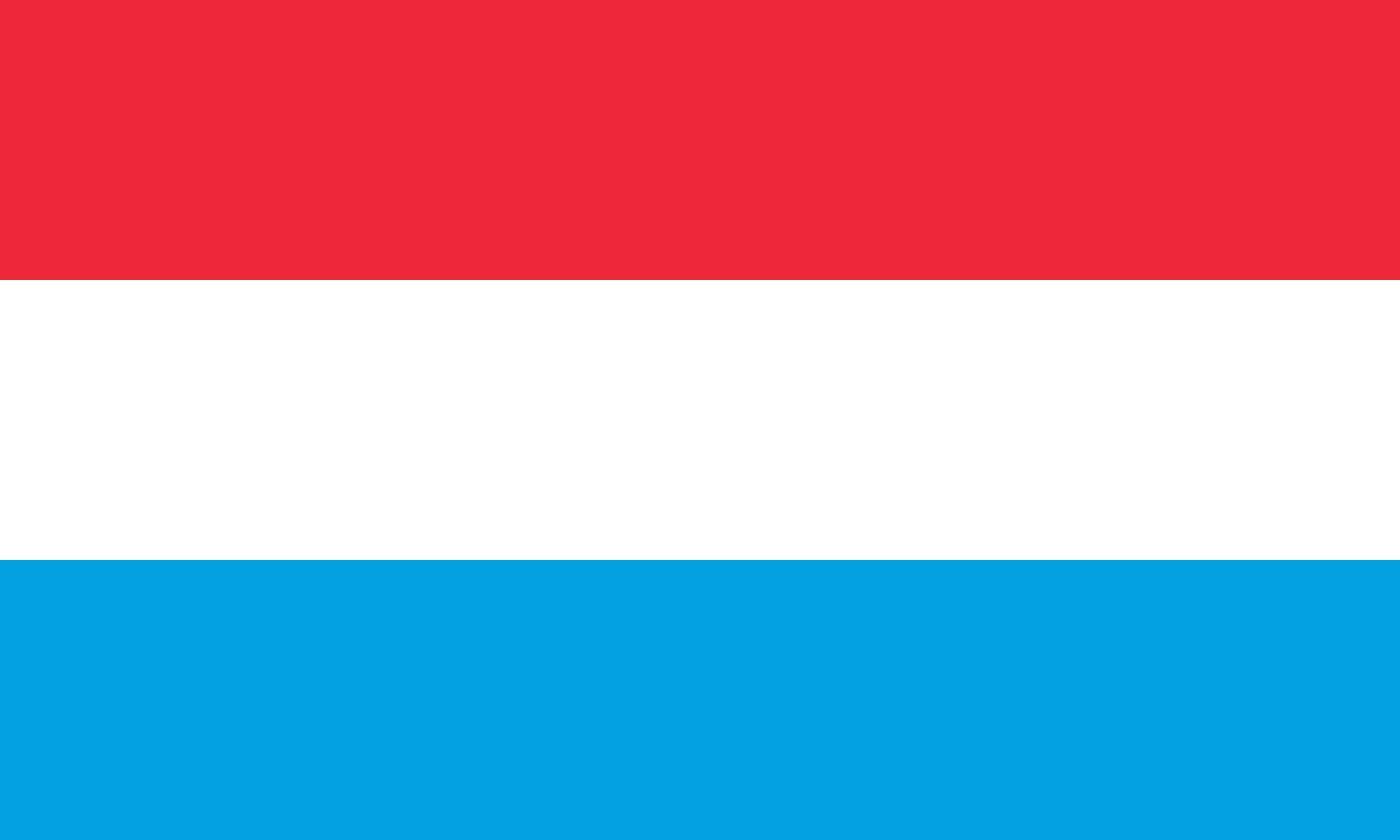
Red, white and blue in horizontal stripes. Luxembourg's blue is a light sky blue, and its flag is longer. The Dutch blue is darker, almost navy.
Australia and New Zealand
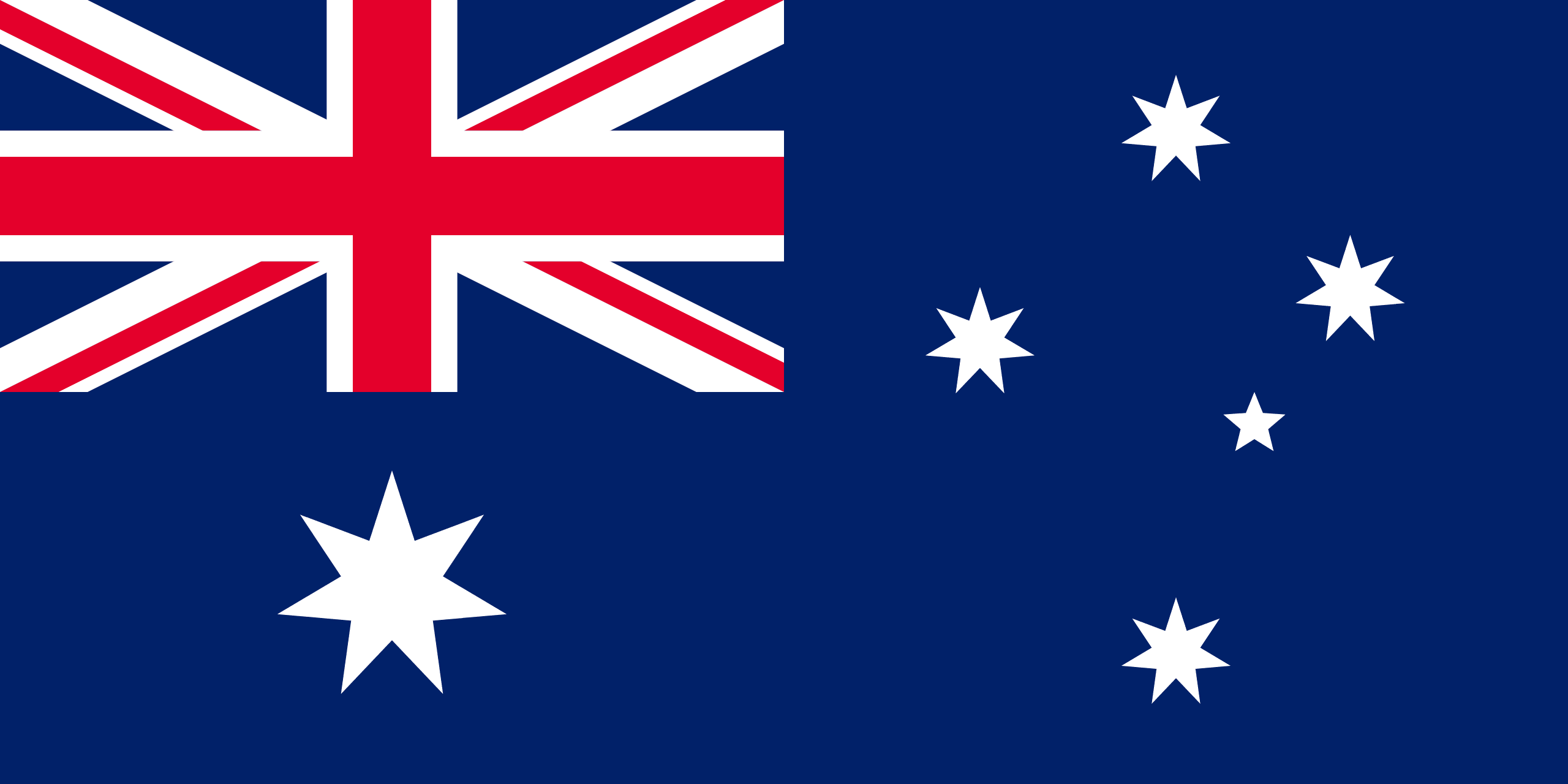
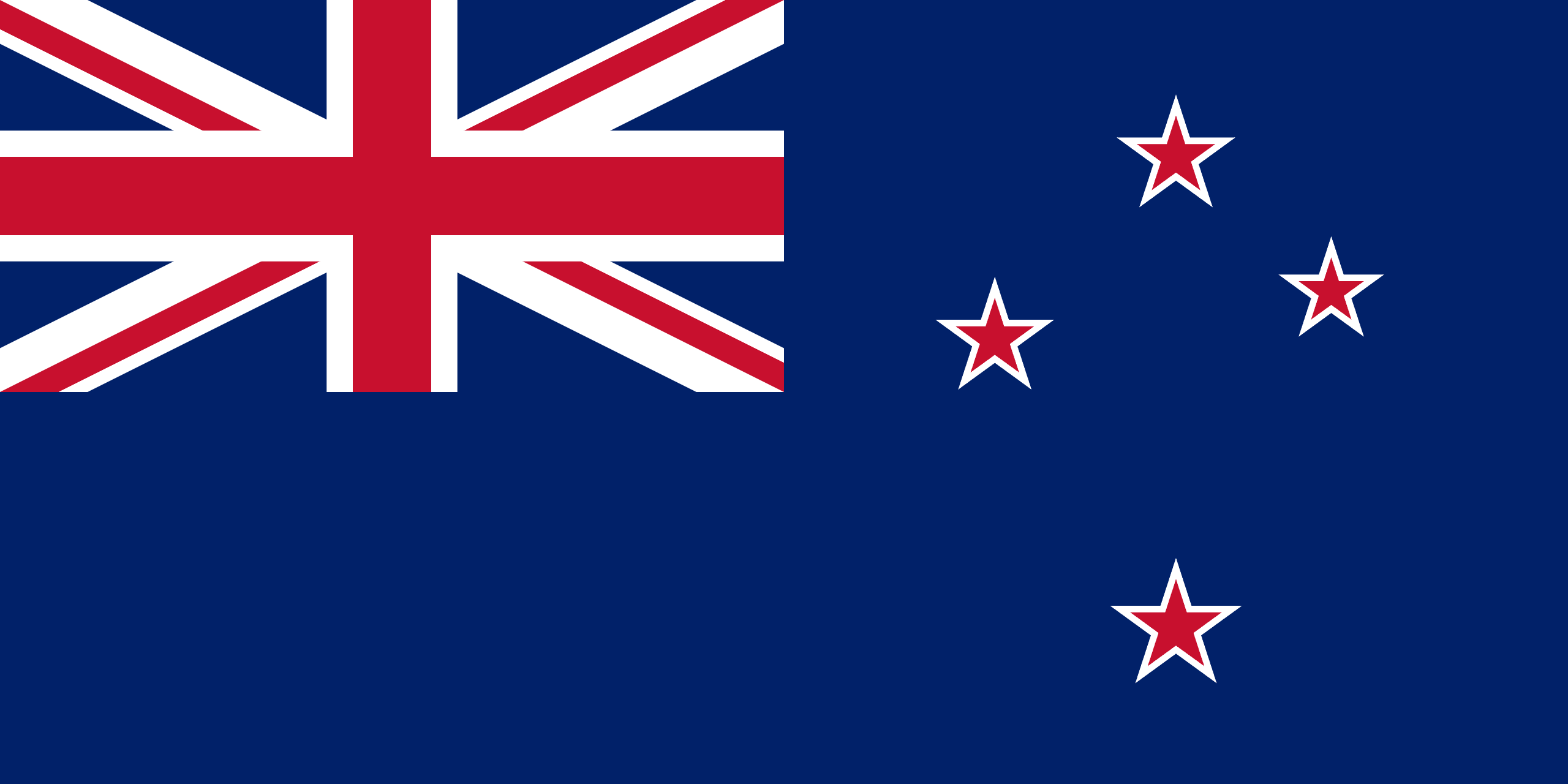
Both are blue with the Union Jack in the corner and the Southern Cross on the right. Count the stars and check their colour: Australia's are white, with five in the Southern Cross and a large seven-pointed Commonwealth Star under the Union Jack. New Zealand has four red stars with white borders.
Ireland and Côte d'Ivoire
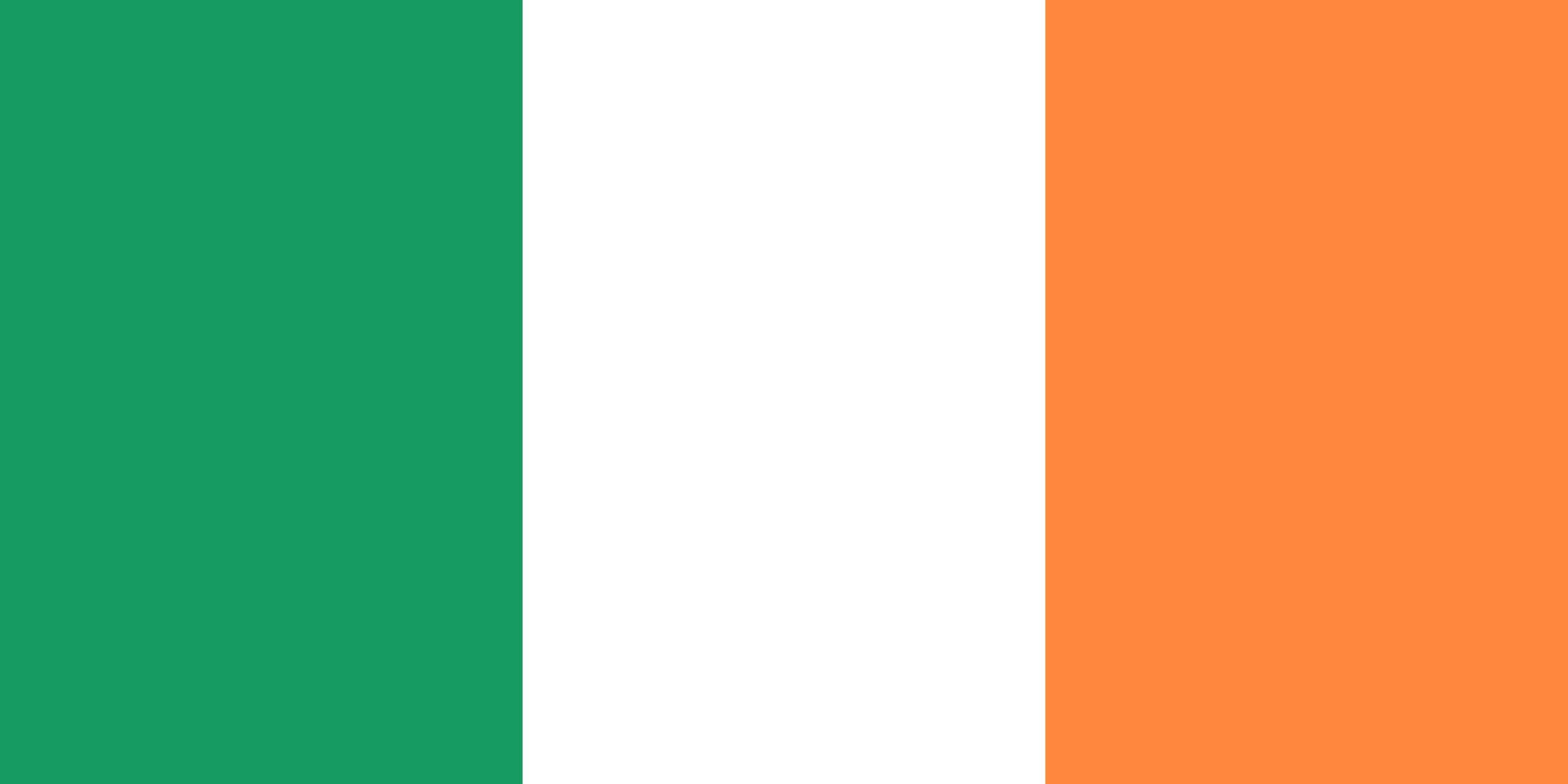
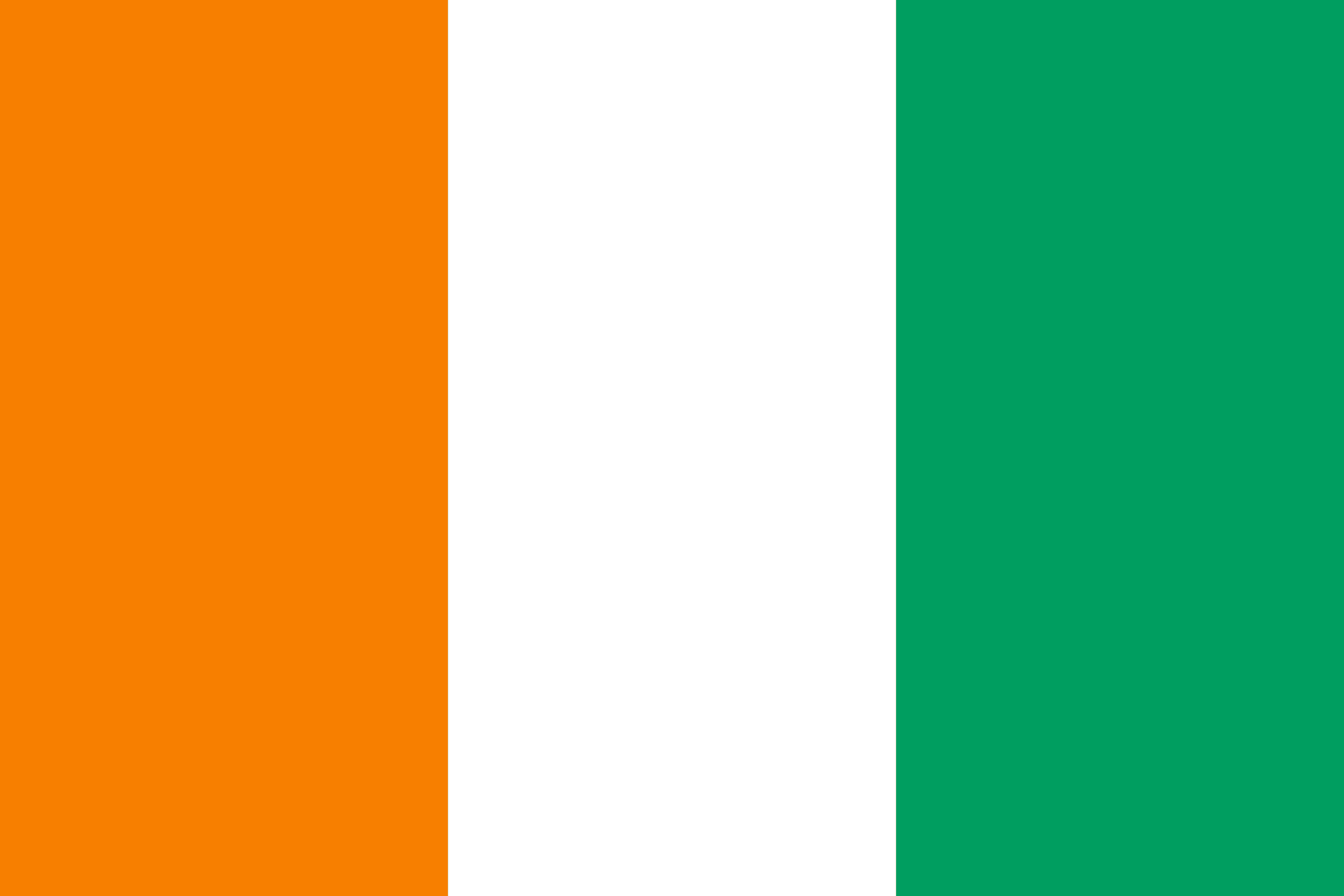
Mirror images. Ireland is green, white and orange from the pole outward; Côte d'Ivoire is orange, white and green. A quick rule: on the Irish flag green comes first, on the Ivorian flag orange does.
Senegal and Mali
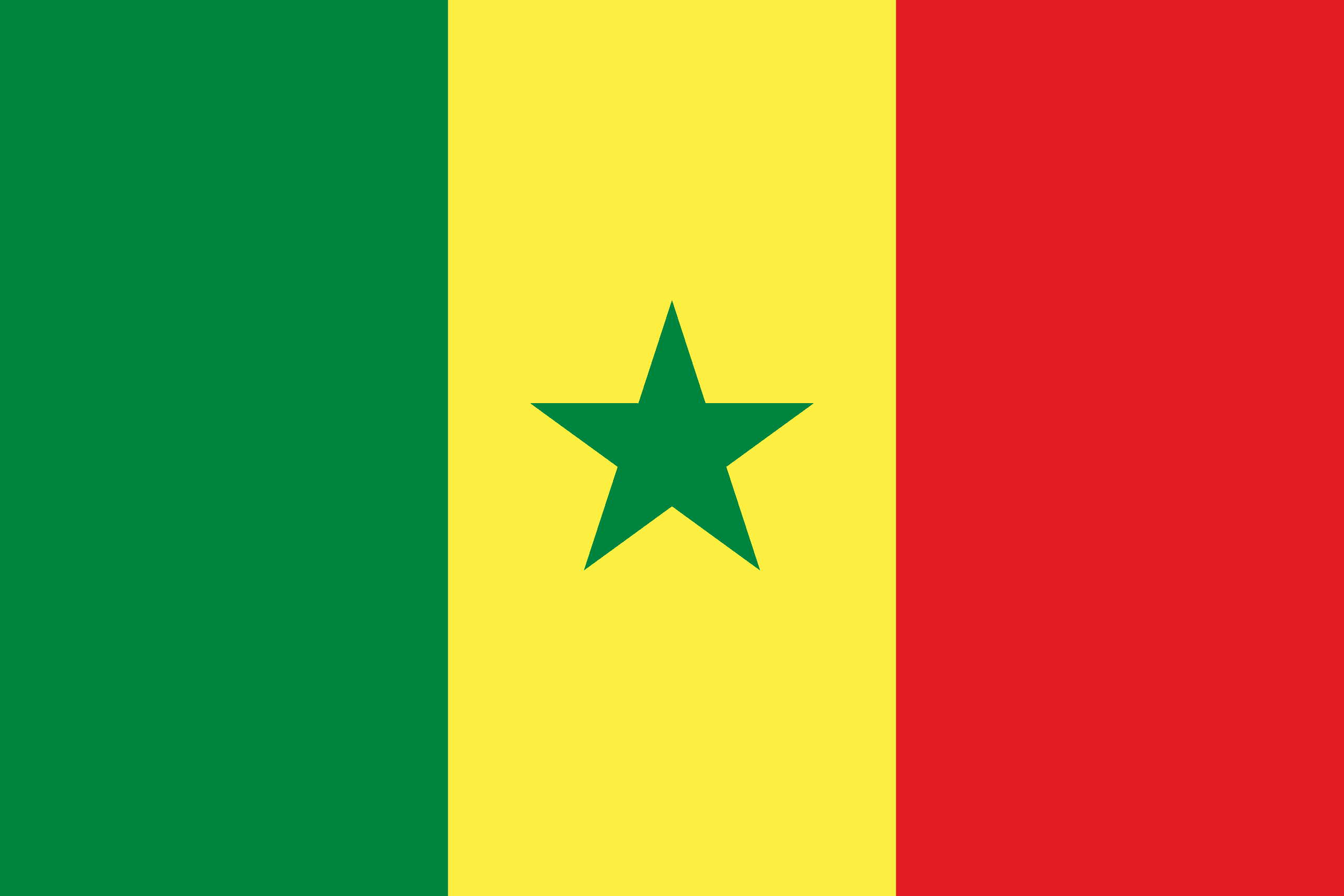
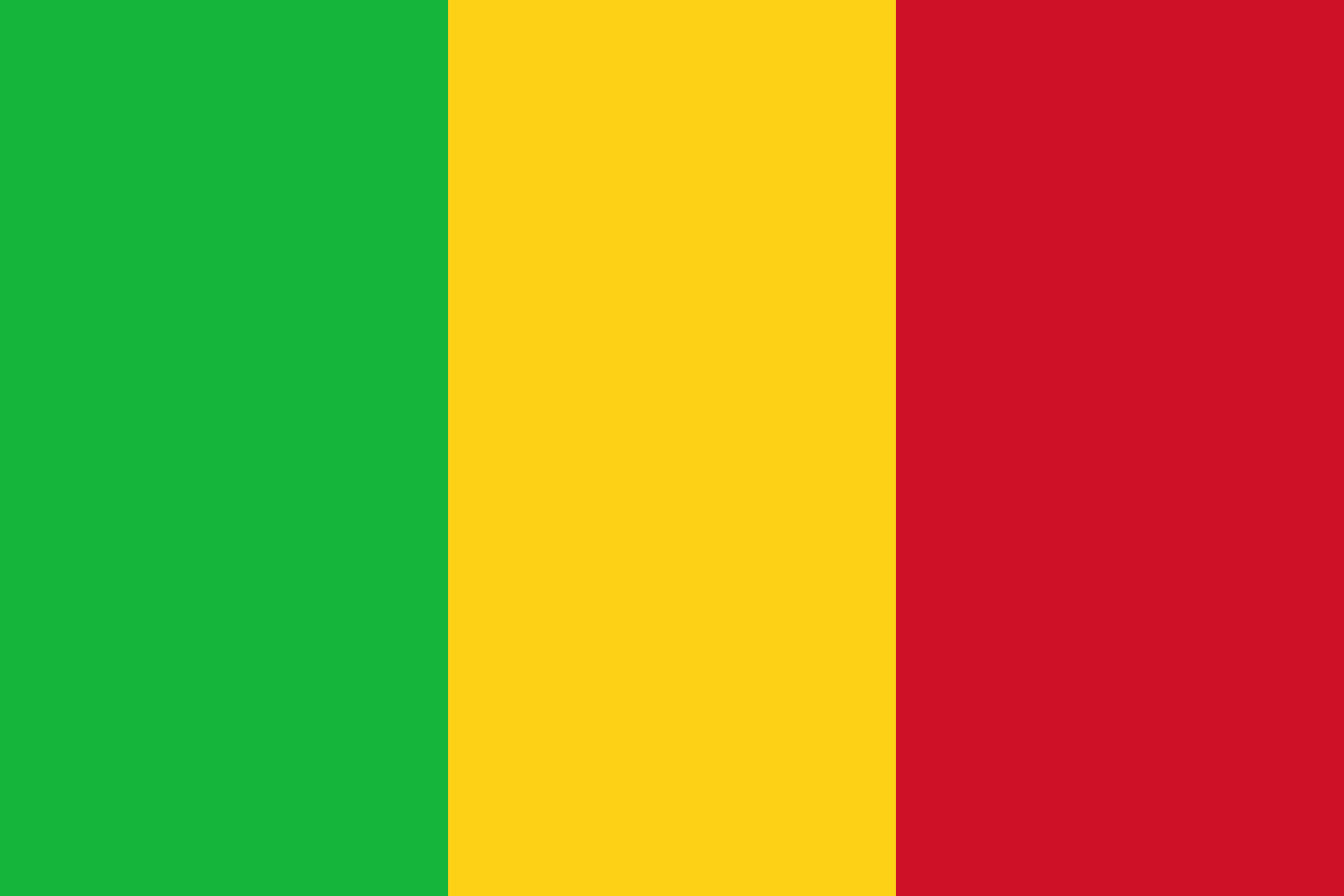
Green, yellow and red, vertical, in the same order. Senegal has a small green star in the middle of the yellow stripe; Mali has nothing.
Norway and Iceland
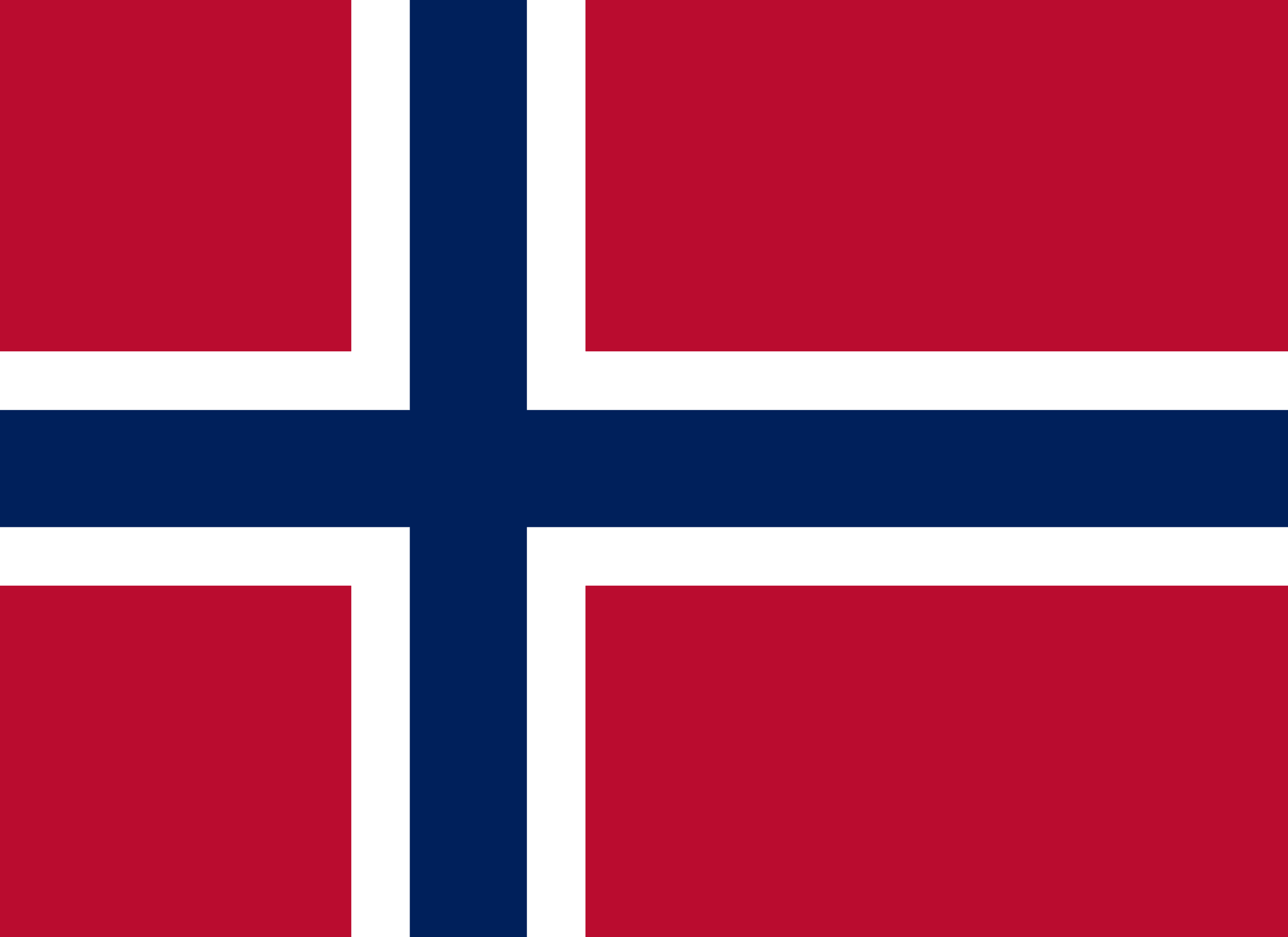
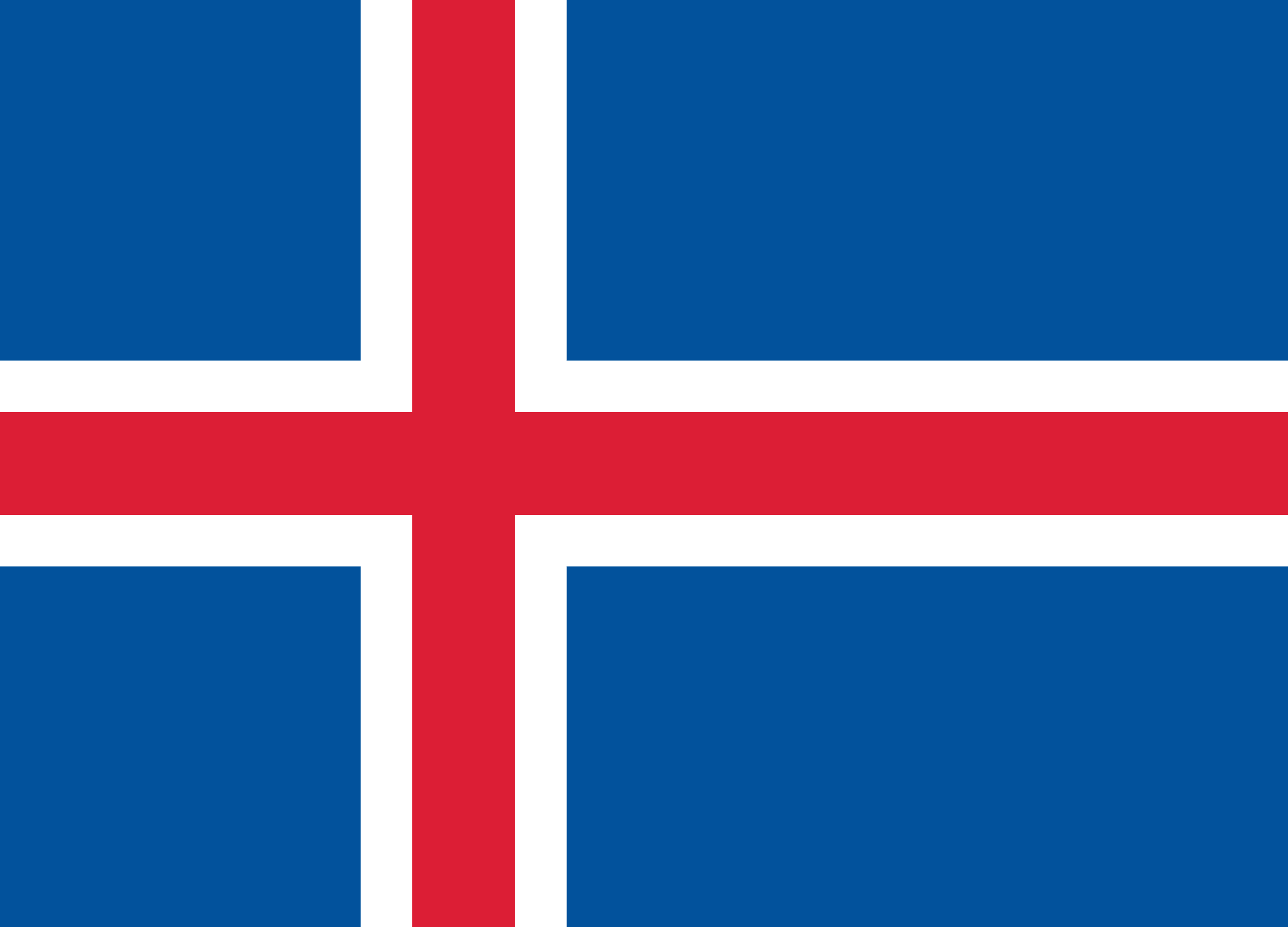
The same Nordic cross with a white border, in swapped colours. Norway is a red flag with a blue cross; Iceland is a blue flag with a red cross.
Russia, Slovakia and Slovenia
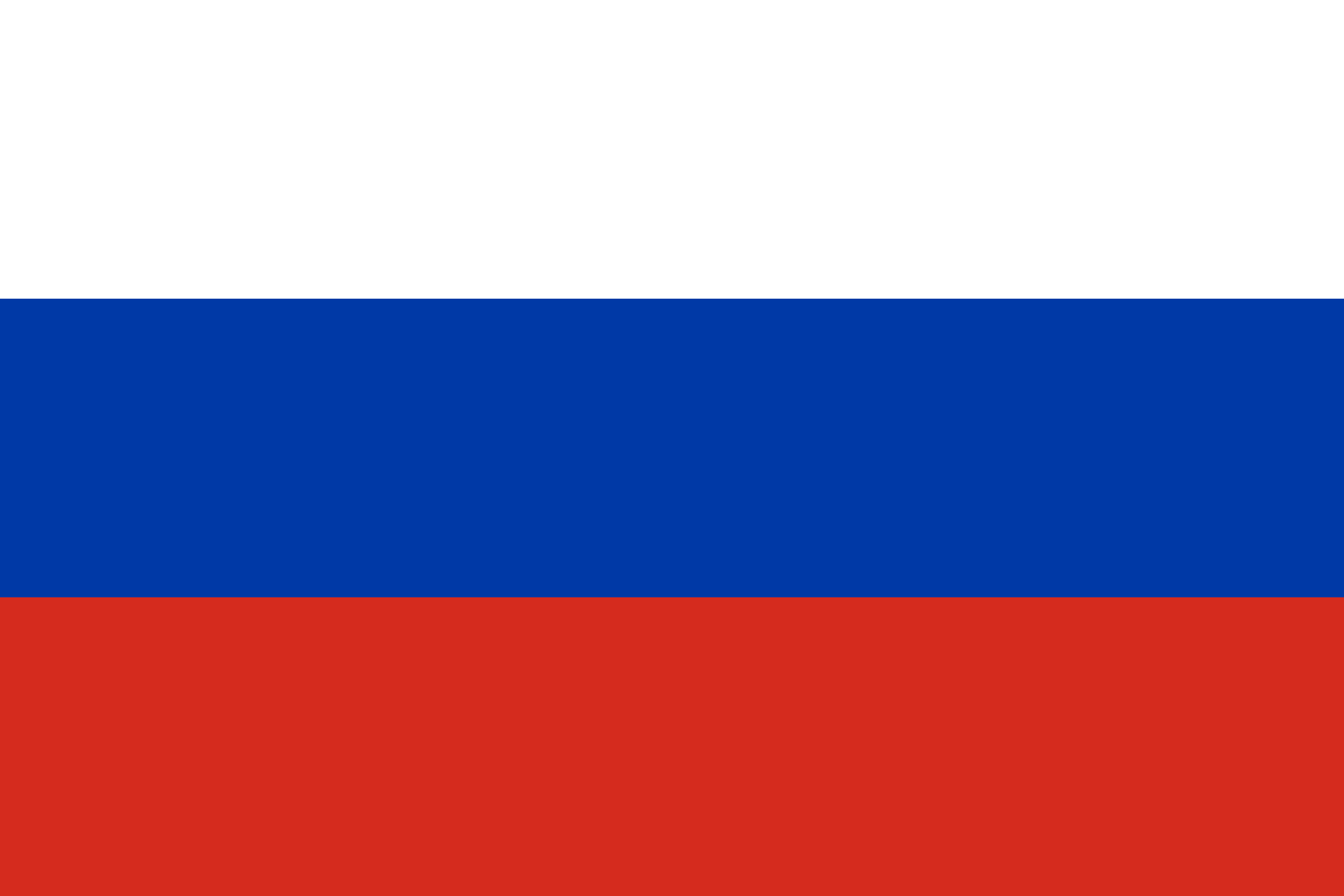
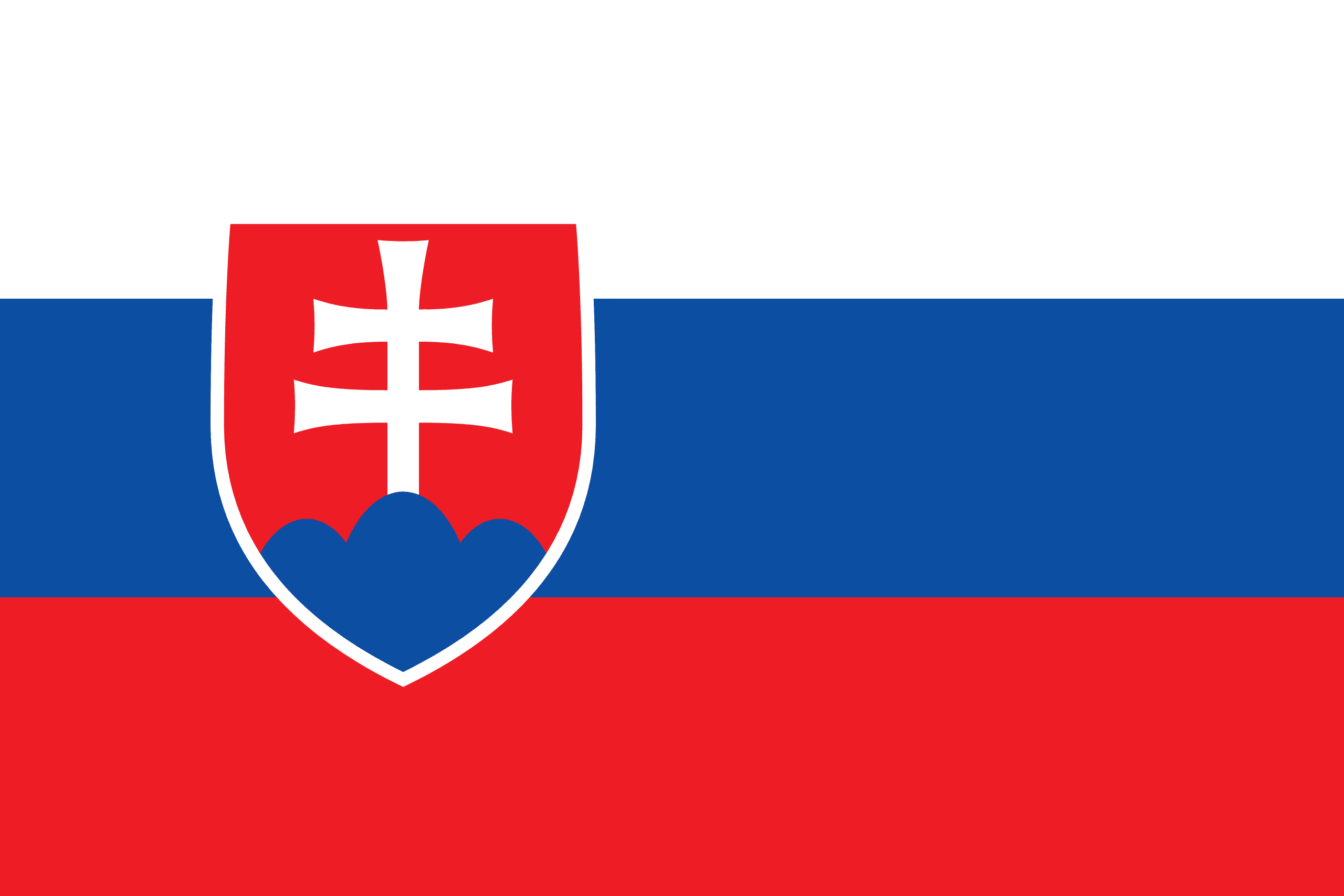
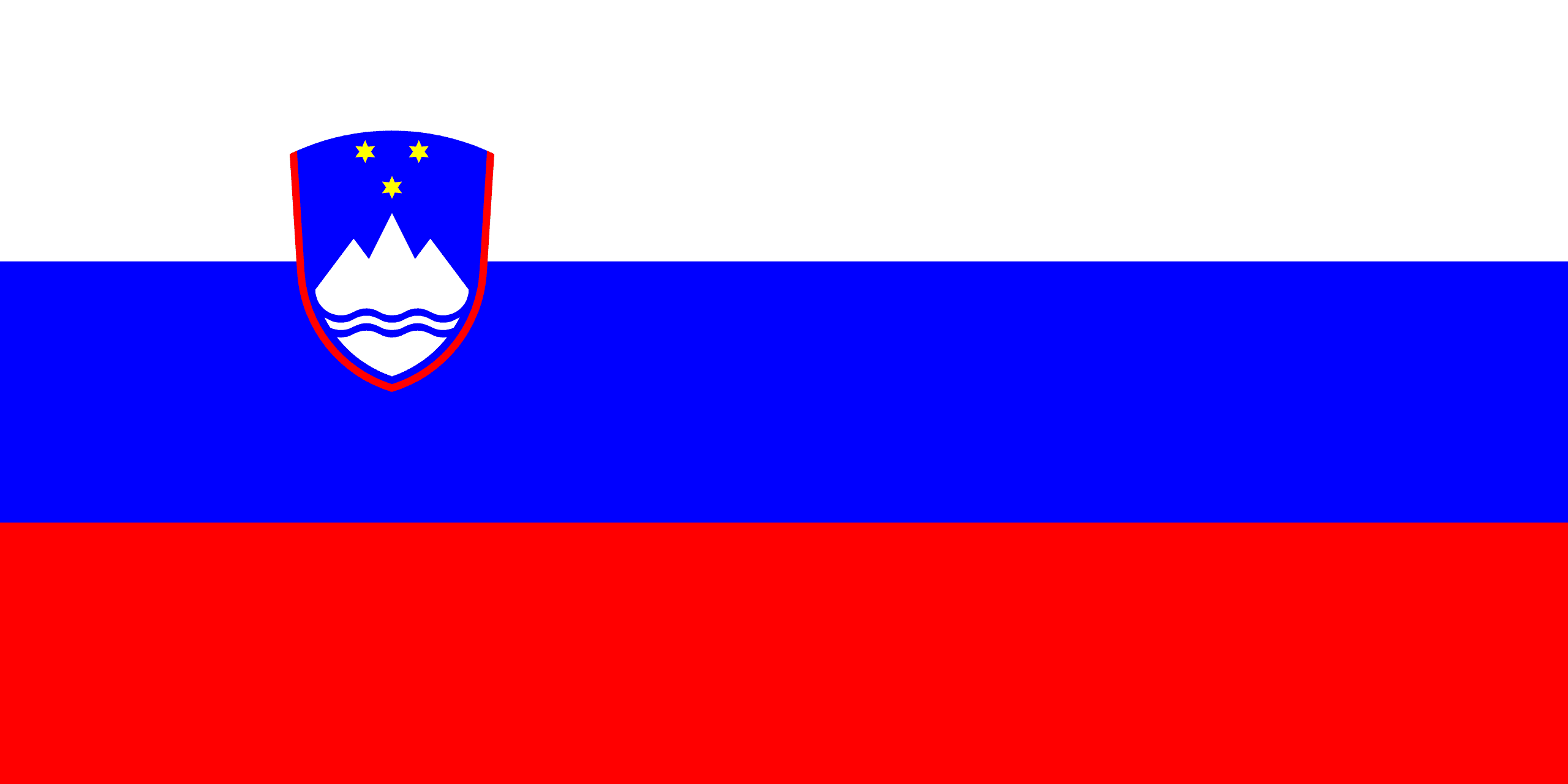
White, blue and red stripes on all three. Russia's is plain. Slovakia's has a large coat of arms with a white double cross on blue hills, towards the pole. Slovenia's has a smaller shield in the upper corner with the mountain Triglav and three stars.
Colombia, Ecuador and Venezuela
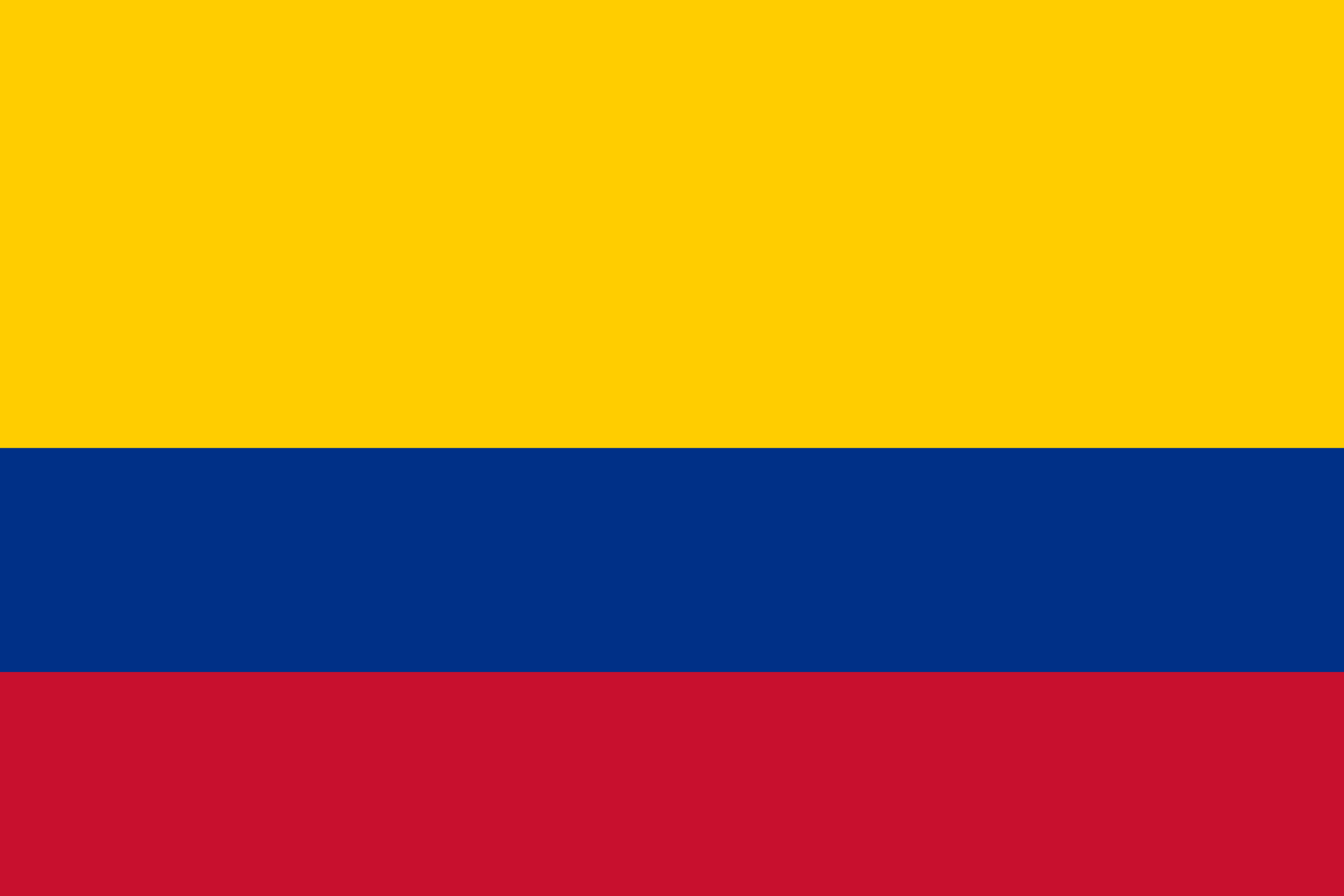
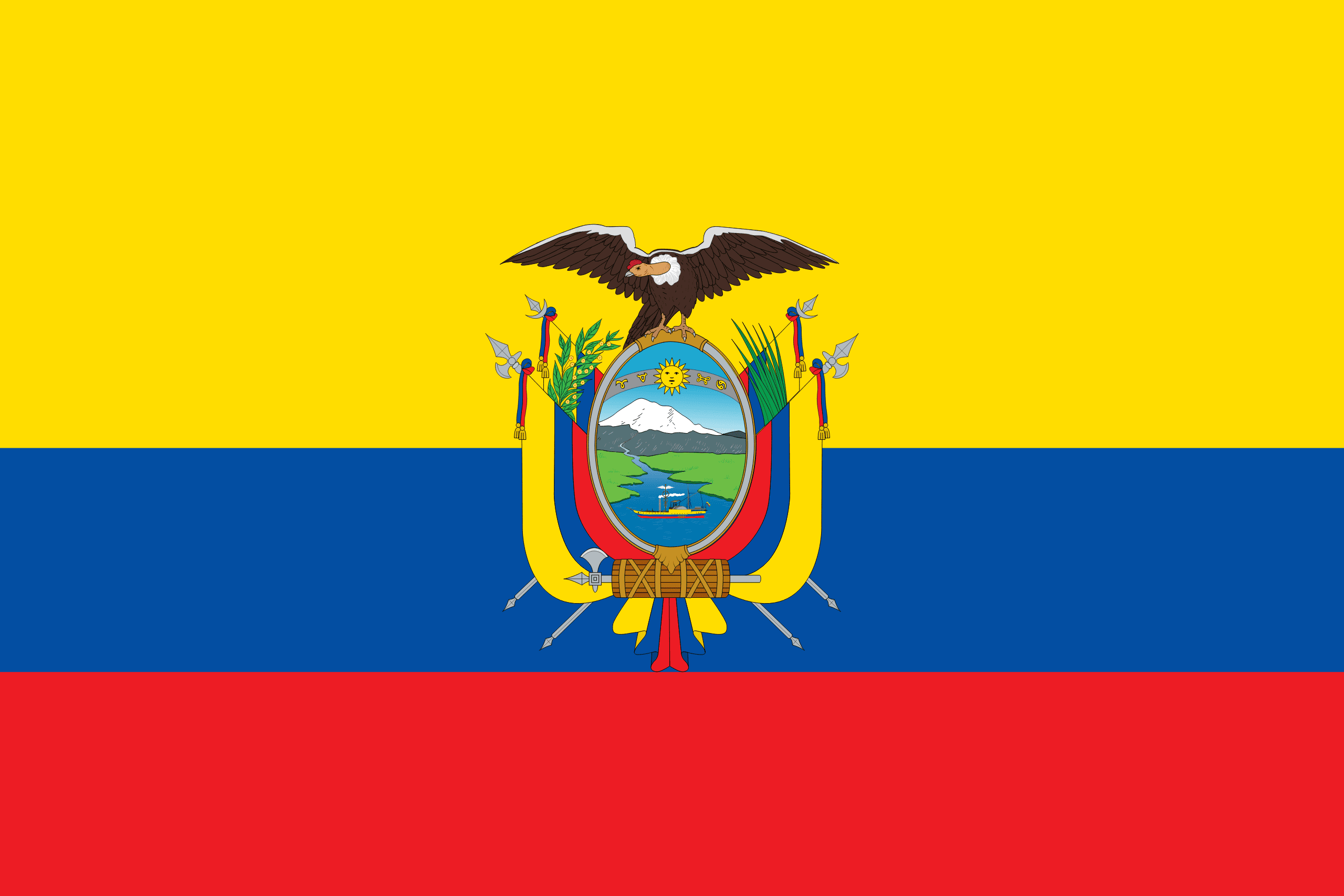
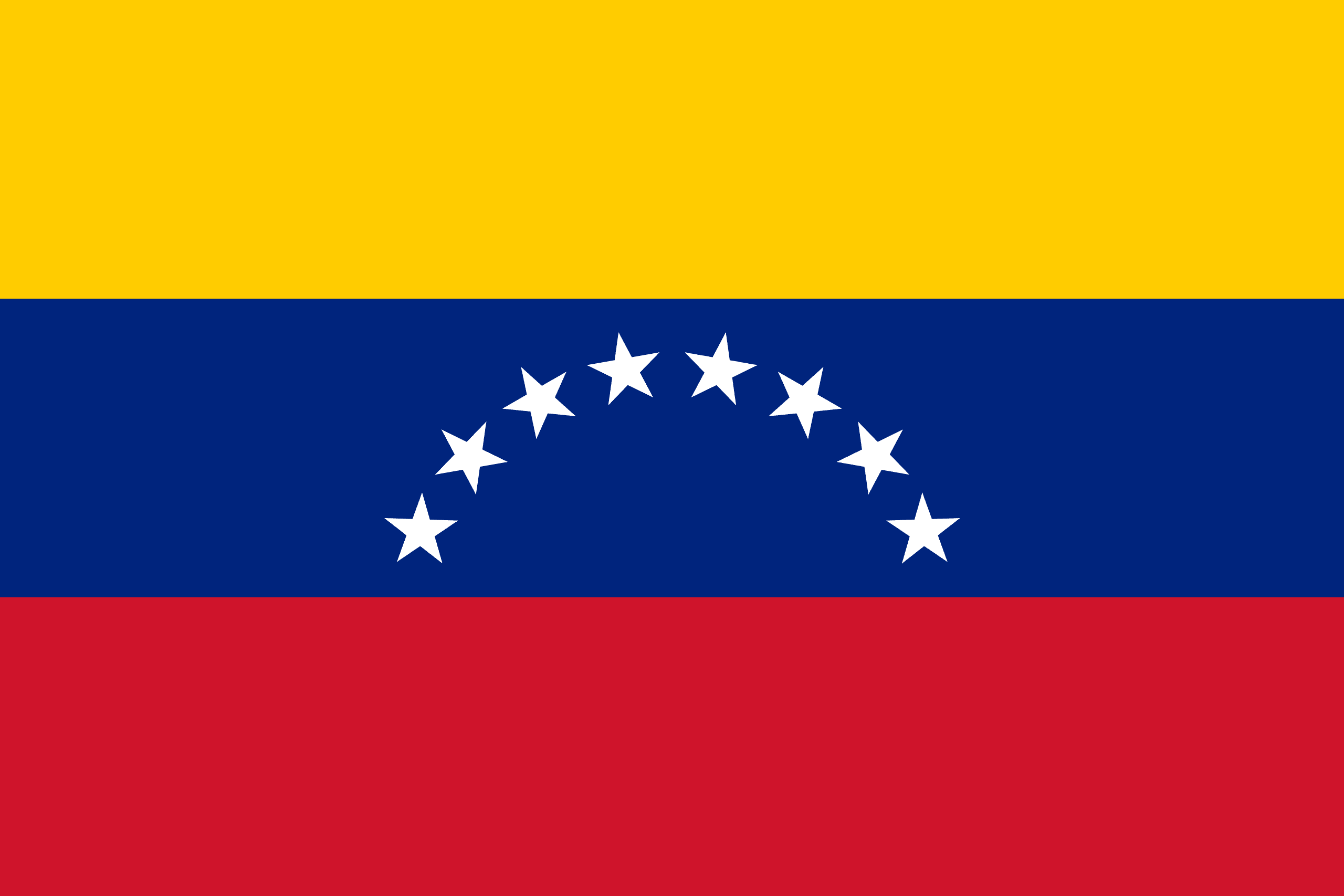
All three come from the flag of Gran Colombia, so all three are yellow, blue and red. Colombia's yellow stripe takes up half the flag. Ecuador has the same layout plus a coat of arms with a condor in the middle. Venezuela's stripes are equal and an arc of eight white stars sits in the blue.
Egypt, Syria, Iraq and Yemen
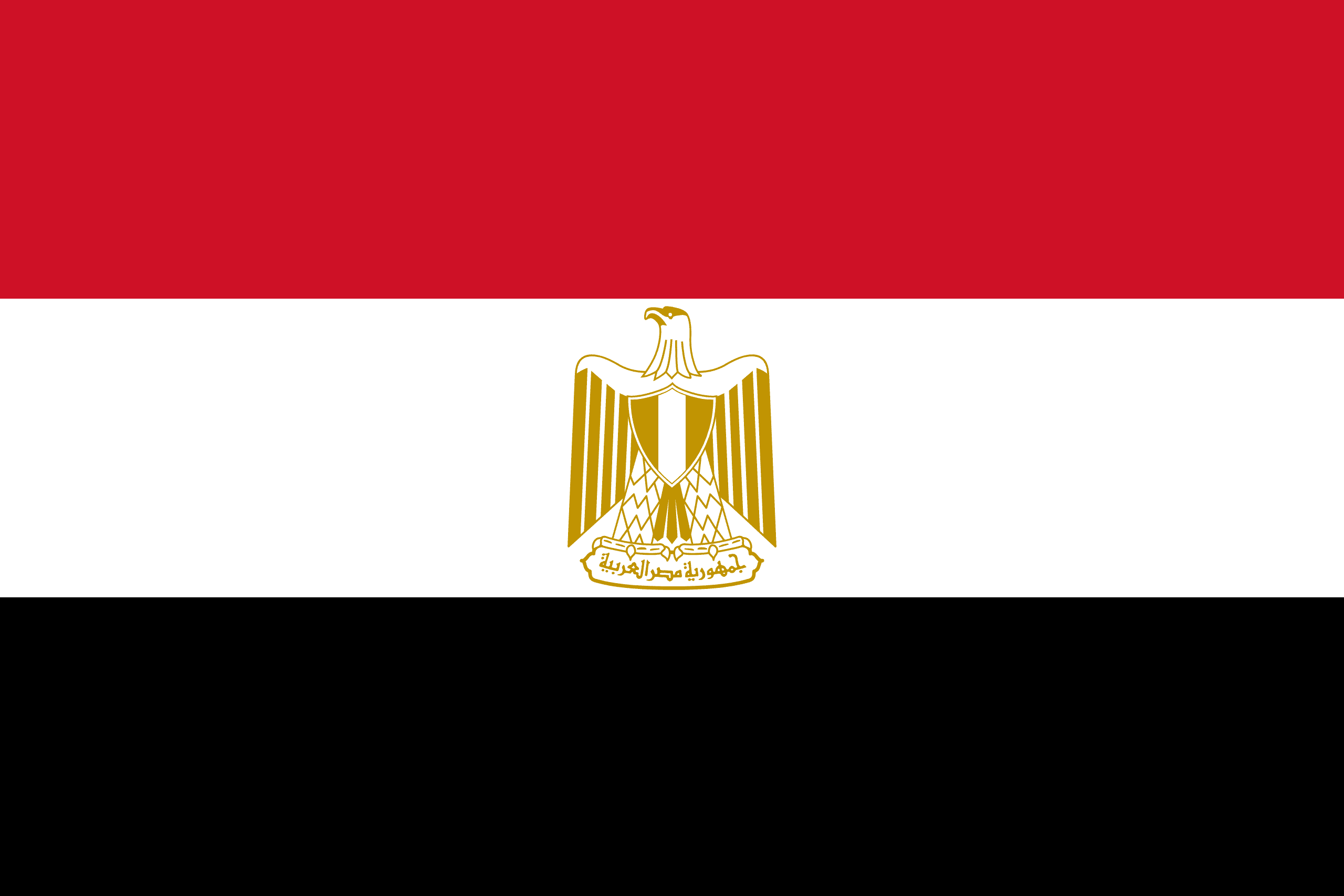
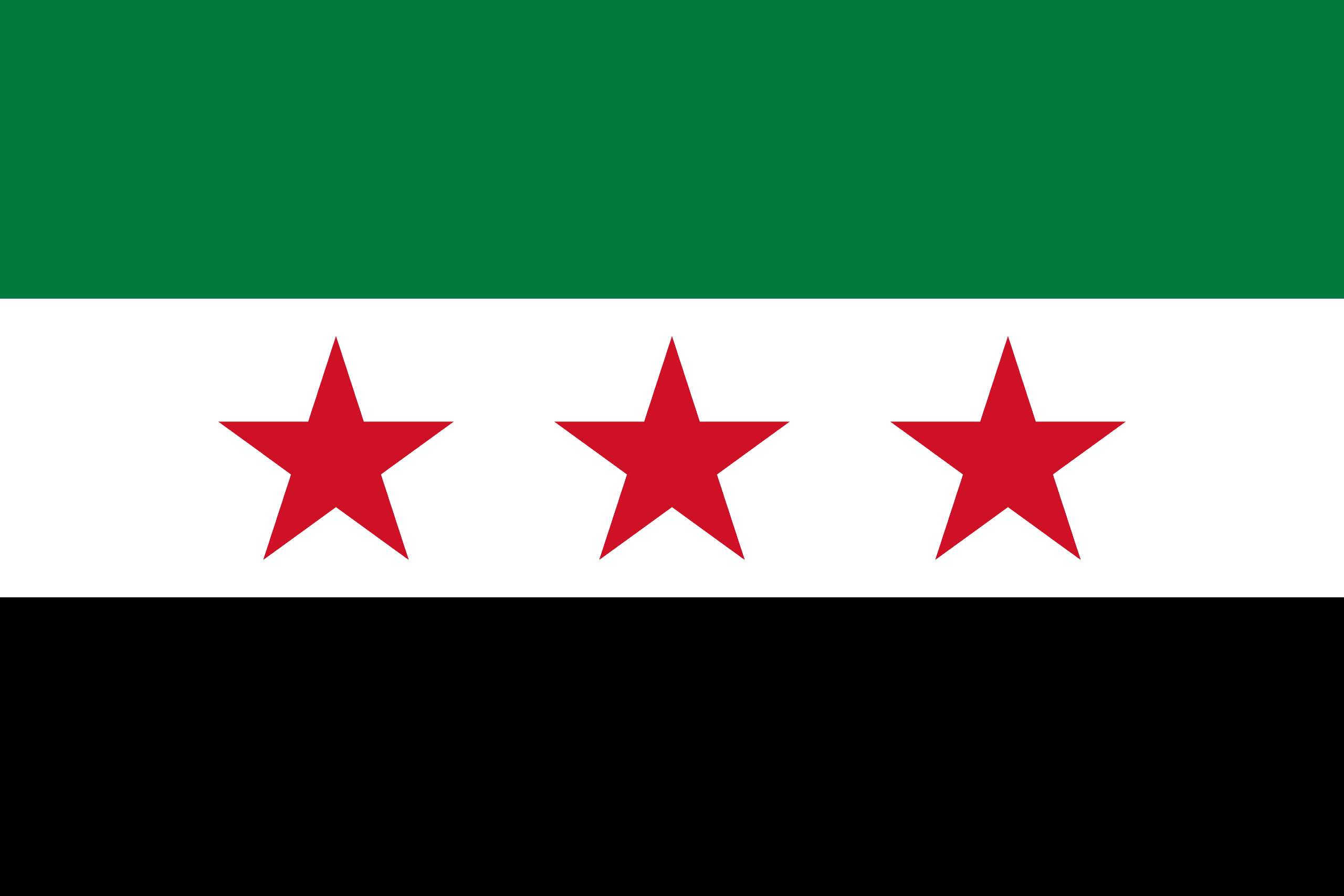
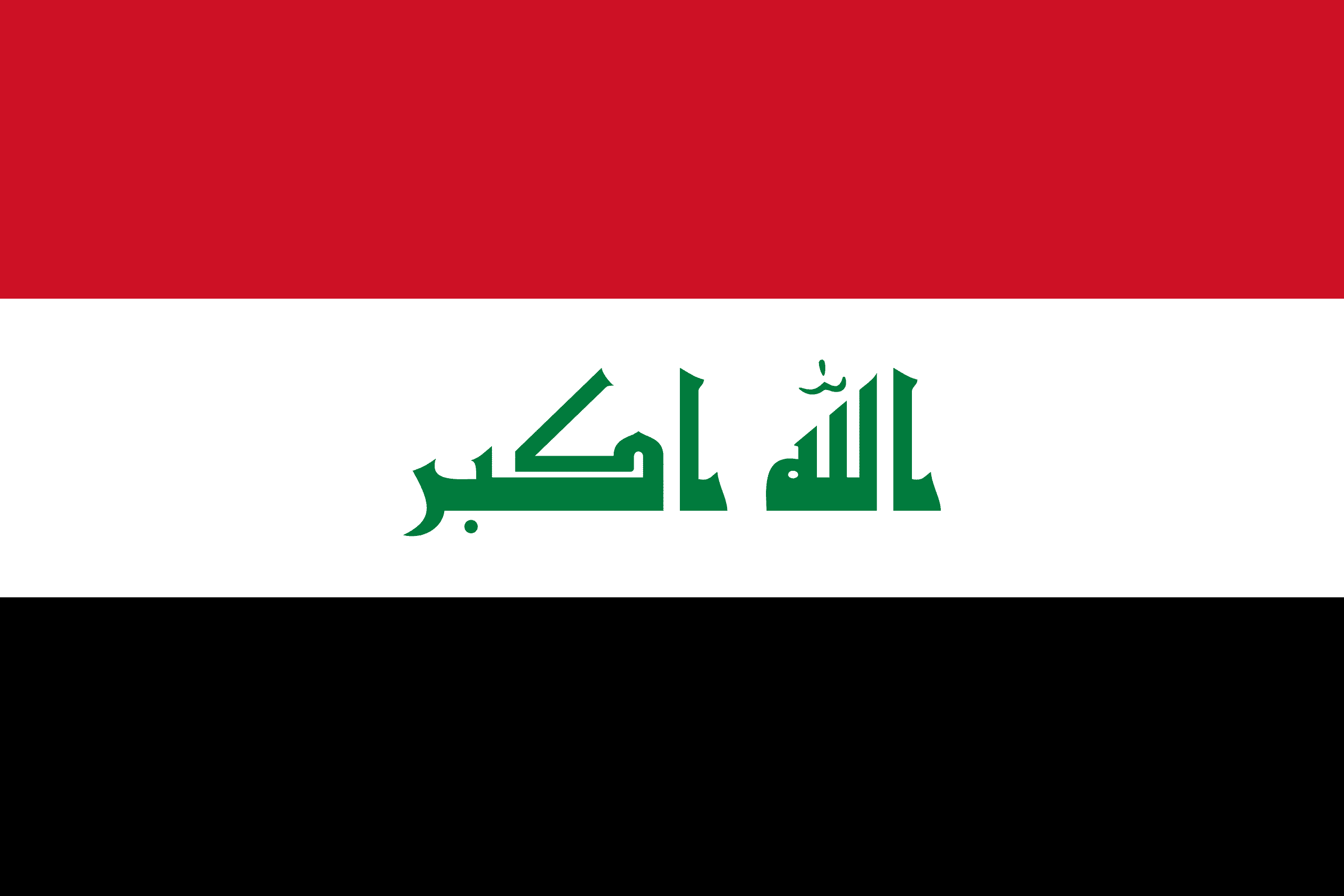
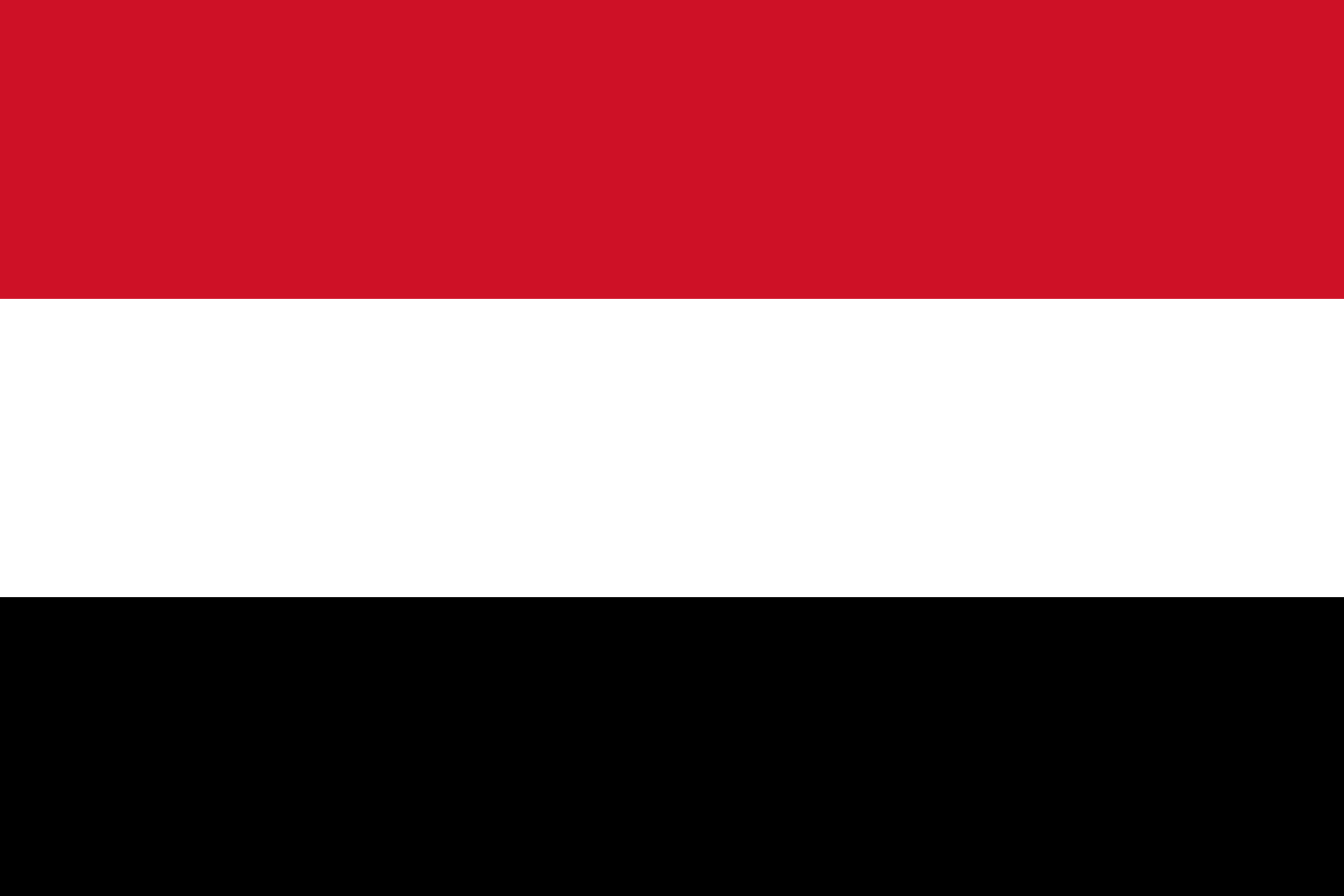
Red, white and black stripes, and a different sign in the white for each. Egypt has a golden eagle, Syria two green stars, Iraq the green Arabic words "Allahu Akbar". Yemen's flag is the plain stripes.
One trick for all of them
When two flags share colours, look for the one thing that is not a stripe: a star, a coat of arms, a border, or the flag's shape. Then check the order of the colours from the pole outward. With those two questions you can tell almost every pair apart, even in the last seconds of a round.
Want a challenge for your chat? Leave only look-alike pairs in the arena and ask viewers to name the winner before the champion screen shows it. You can pick exactly which countries play in the Countries panel of FlagsBattle.
What 120 flags mean, their history and sources: Flags of the world.