
Flag of Morocco
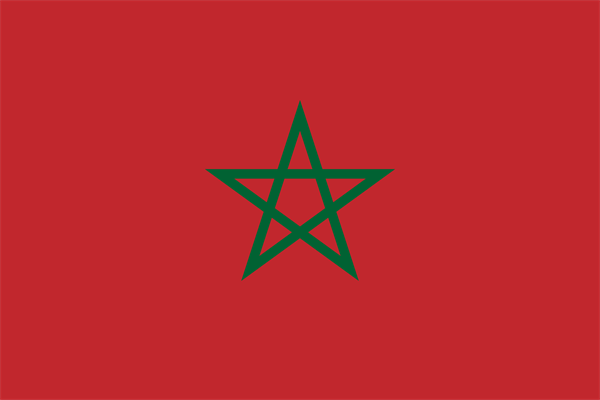
Morocco's red flag is distinguished by the green Seal of Solomon.
- Adopted and changed
- The green five-pointed star was added in 1915
Design
A five-pointed star made of green lines on a red field.
What it means
Red is associated with the historical tradition of rule, and green with Islam. The pentagram in the centre, commonly called the Seal of Solomon, symbolises the bond between the state and the religious tradition.
The story
Plain red banners were used in Morocco before the present flag with the star. In the time of Sultan Yusuf, in 1915, the green pentagram was added and the design became distinct. The flag was kept after independence. Although it passed through an arrangement made in the period of the colonial protectorate, it thus carried continuity with older royal symbols.
Flag of Algeria
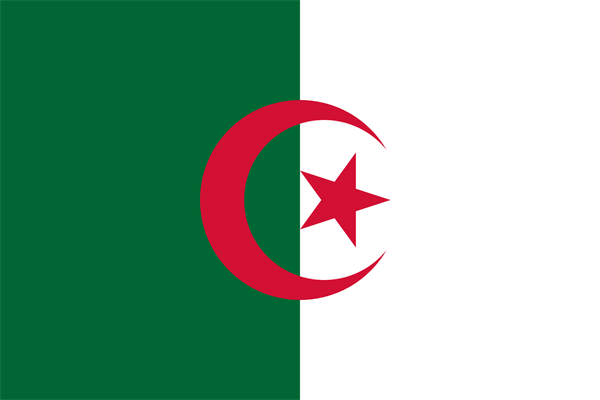
The star and crescent at the centre of the green and white field carry Algeria's history of independence.
- Adopted and changed
- 1962, as the flag of the independent state.
Design
The hoist half is green and the other half white, with a red crescent and star in the centre.
What it means
Green is associated with Islam, white with purity and peace, and red with sacrifice for independence. The crescent and star belong to the Islamic symbolic tradition.
The story
The present design developed from the flags of nationalist movements before independence. After being used by the National Liberation Front and the provisional government, it became the flag of independent Algeria in 1962. There are differing accounts of who created the first design and exactly when, so it is not right to build a single, certain inventor story.
Flag of Tunisia
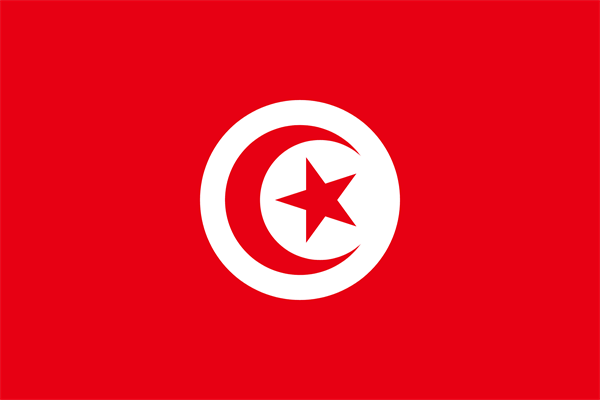
Tunisia's flag combines Ottoman influence with its own distinctive white disc.
- Adopted and changed
- First half of the 19th century; detailed modern standard 1999
Design
A red field with a red crescent and a five-pointed star inside a white circle.
What it means
The crescent and star are linked to the Islamic symbolic tradition that reaches back to the Ottoman period. White is interpreted as peace and purity, and red as courage and sacrifice.
The story
The flag appeared in the first half of the 19th century, in the time of the Husainid beys. Despite its similarity to Ottoman banners, the white disc in the centre set it apart. The basic design was kept through the French protectorate, independence and the republic. In 1999 the geometric details were set out more clearly.
Flag of Egypt
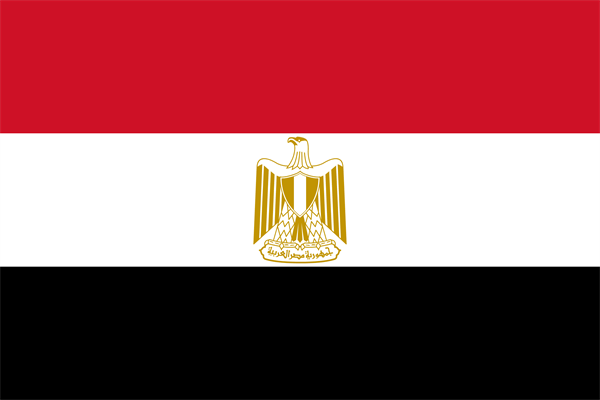
The eagle on Egypt's flag is a symbol of the Arab republican tradition.
- Adopted and changed
- The present layout with the eagle dates from 1984.
Design
Horizontal stripes of red, white and black, with a golden Eagle of Saladin in the centre.
What it means
In Egypt's official account, red stands for the struggle before 1952, white for the revolution, and black for the end of the period of oppression. The eagle is associated with the strength and sovereignty of the state.
The story
The 1952 Revolution laid the basis for Egypt's move from the old green flag to the red-white-black layout. During the union with Syria and in later political periods, the central emblem changed several times. In 1984 the present Eagle of Saladin was adopted. The colour layout also influenced the flags of other Arab republics.
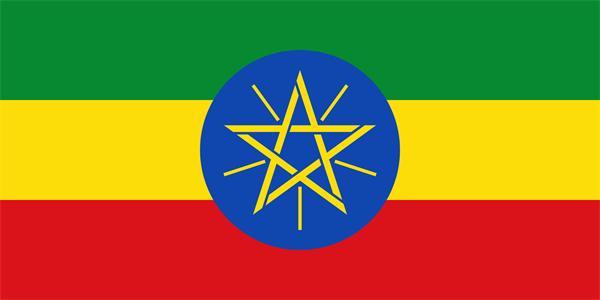
Flag of Ethiopia
Ethiopia's colours inspired many of Africa's independence flags.
- Adopted and changed
- The present starred emblem dates from 1996.
Design
Horizontal stripes of green, yellow and red, with a yellow star and rays on a blue disc in the centre.
What it means
The star and rays are associated with the idea of equality of peoples and unity. The colours have had different explanations through history; in the common interpretation green is land and hope, yellow is peace and wealth, and red is sacrifice.
The story
The green-yellow-red national layout became established in the late 19th century. The central emblem changed during the periods of the monarchy, socialist rule and the federal republic. In 1996 the blue emblem with a star was adopted. Because of the symbol of independence that Ethiopia holds in African history, these colours also influenced other flags on the continent.
Sources: Flags of the World (specialist archive), MetaAppz (Ethiopian legislation, republished)
Flag of Somalia
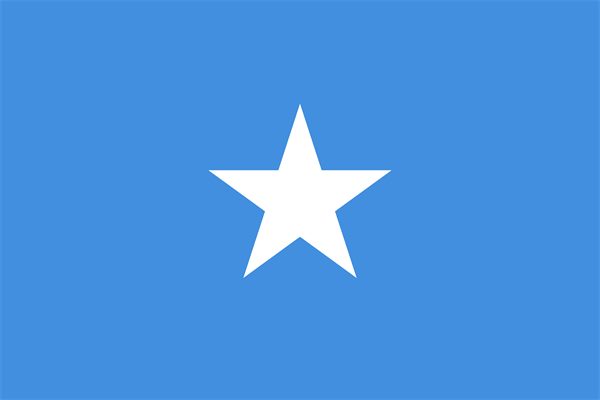
The five-pointed star of Somalia carries the ideal of unity of the historical Somali communities.
- Adopted and changed
- 12 October 1954; independent state 1960
Design
A white five-pointed star on a light blue field.
What it means
Blue is associated with the role of the United Nations in the transition to independence. The five points of the star historically represent the five regions where Somali communities live.
The story
Mohammed Awale Liban's design was adopted during the trusteeship period in the south of the country. With independence and union in 1960 it became the flag of the new state. The five points of the star reflect the idea of unity across the borders of the time.
Flag of Kenya
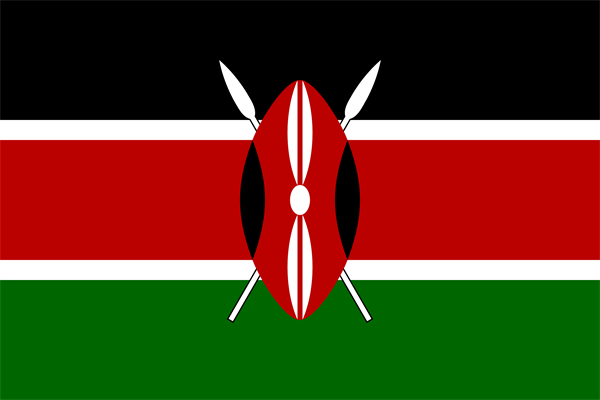
Kenya's shield expresses the will to defend freedom.
- Adopted and changed
- 12 December 1963
Design
Horizontal stripes of black, red and green with thin white lines between them; a shield and crossed spears in the centre.
What it means
Black represents the people of Kenya, red the struggle for freedom, green agriculture and natural wealth, and white peace and unity. The shield and spears symbolise the defence of freedom.
The story
The flag was developed from the colours of KANU, which led the independence struggle. At independence in 1963, the white separators and a traditional Maasai shield were added. The history of struggle and the goal of peace come together in the same design.
Flag of Uganda
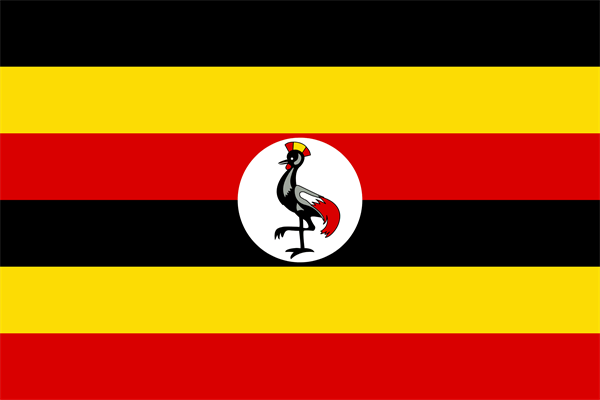
Uganda's crowned crane puts the country's wildlife at the centre of its national identity.
- Adopted and changed
- 9 October 1962
Design
Six horizontal stripes repeating the order black, yellow and red twice; a crowned crane inside a white disc.
What it means
Black represents the African peoples, yellow the sun, and red the brotherhood that links people together. The crane is a natural symbol long identified with Uganda.
The story
The flag was adopted at independence in 1962. The three colours, which came from the political movement of the time, were repeated twice to form an original arrangement. The crowned crane, which was also found among local symbols of the colonial period, was kept at the centre of the new flag.
Flag of Rwanda
The sun on Rwanda's flag carries the idea of a new beginning and enlightenment.
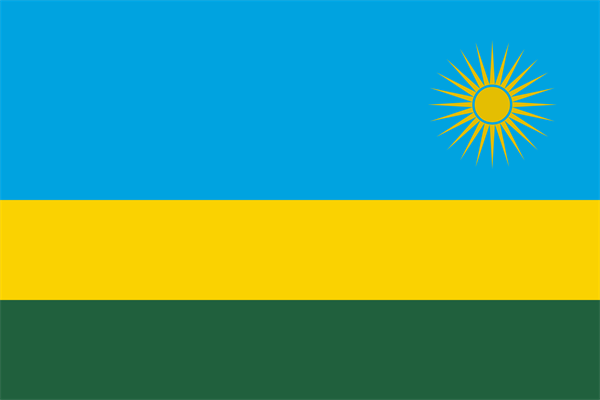
- Adopted and changed
- 2001; arranged 25 October, officially published 31 December
Design
A wide light blue stripe above yellow and green; a golden sun at the upper right.
What it means
Blue stands for peace and happiness, yellow for economic development, and green for the hope of prosperity. The sun is associated with unity, enlightenment and overcoming ignorance.
The story
The new flag was introduced in 2001 to replace the old design associated with the 1994 genocide and the preceding period. By moving away from the old flag with the letter R in the middle, peace and a shared future were emphasised.
Flag of the Democratic Republic of the Congo
The yellow star on the flag of the Democratic Republic of the Congo carries the idea of a bright future.
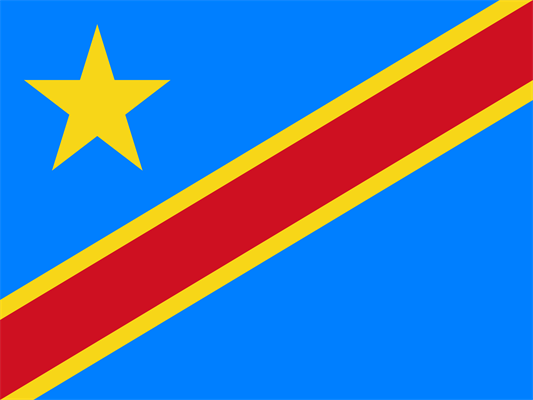
- Adopted and changed
- 18 February 2006
Design
A sky-blue field; a yellow star at the upper left; a red stripe with yellow edges running from the lower left to the upper right.
What it means
Blue represents peace, red the sacrifices made for the country, and yellow wealth; the star represents the bright future that is hoped for.
The story
The design introduced by the 2006 Constitution reinterpreted the flags with diagonal stripes of the 1960s. In between, different star arrangements and the very different flag of the Zaire period had been used. The new design became one of the symbols of the new political period after the war.
Flag of Nigeria
Nigeria's green-white-green highlights the ideas of agriculture and peace.
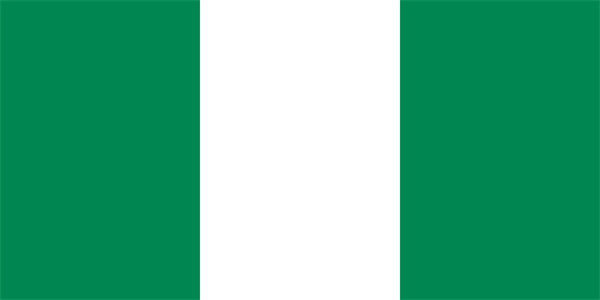
- Adopted and changed
- 1 October 1960
Design
Three equal vertical stripes: green, white and green.
What it means
Green represents agriculture and the country's natural wealth, and white represents peace and unity.
The story
In a competition held before independence, the design of a student, Michael Taiwo Akinkunmi, was chosen. The first proposal also had a sun inside the white area; the final design was simplified, leaving only the three stripes. The flag was raised on independence day in 1960. The plain design was meant to unite different peoples under one national symbol.
Flag of Ghana
Ghana's black star is one of the best-known symbols of African freedom.
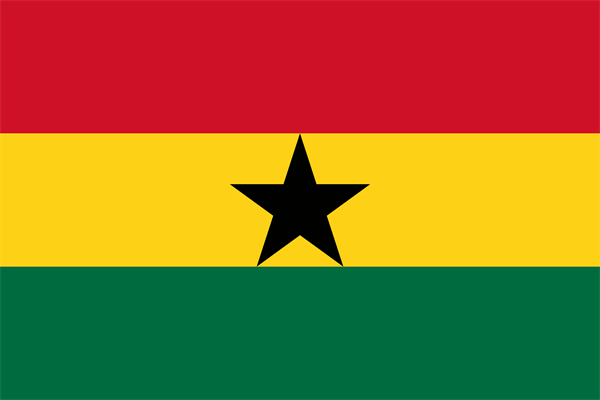
- Adopted and changed
- 6 March 1957; returned to use in 1966
Design
Horizontal stripes of red, gold and green; a black five-pointed star in the centre.
What it means
Red stands for the sacrifice made in the struggle for independence, gold for mineral wealth, and green for the forests and natural resources. The black star represents the liberation of Africa.
The story
Theodosia Okoh submitted this design to the competition held for independence. The Pan-African colours, associated with Ethiopia, formed the basis of the new flag. After short-lived changes, the original design with the yellow middle stripe returned in 1966.
Sources: ghanamissionun.org, Flags of the World (specialist archive)
Flag of Côte d'Ivoire
The three colours of Côte d'Ivoire's flag describe a country stretching from savannas to forests.
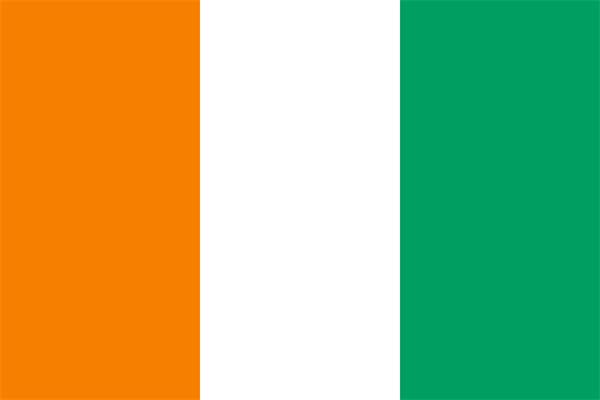
- Adopted and changed
- 3 December 1959
Design
Three equal vertical stripes of orange, white and green, starting from the hoist.
What it means
Orange is associated with the northern savannas and the land, white with peace, and green with the vegetation of the south and with hope.
The story
The flag was adopted before independence in 1960. The vertical tricolour format is linked to the tradition of the French flag, while the colours were explained through meanings tied to the country's own geography and future.
Flag of South Africa
Converging lines express different people moving towards a shared future.
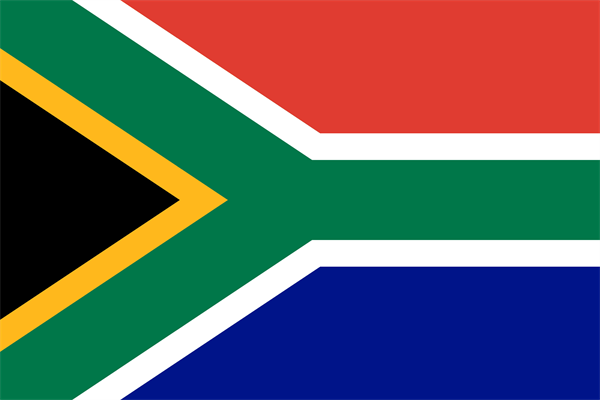
- Adopted and changed
- 27 April 1994
Design
The colours red, blue, green, black, white and gold; a green main band in the form of a horizontal Y.
What it means
The official explanation interprets the Y shape as the different parts of society coming together and moving forward together. No separate meaning valid for everyone is assigned to each of the six colours.
The story
The flag designed by Fred Brownell came into use in 1994, in the period of the first democratic elections after apartheid. The design, which brought together colours familiar from older and newer political traditions, became a visible sign of the country's great transformation. The flag, which was initially intended for the transition period, was adopted as the shared national symbol.
Flag of Mauritius
The four horizontal colours of Mauritius describe island life and the hope of independence.
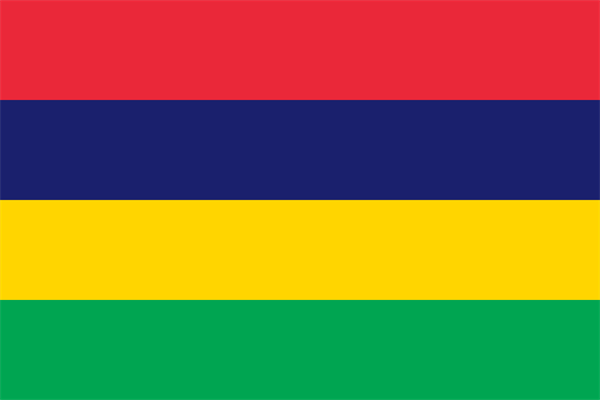
- Adopted and changed
- 12 March 1968; registered 9 January 1968
Design
Four equal horizontal stripes of red, blue, yellow and green.
What it means
In the official description, red represents freedom and the struggle for independence, blue the Indian Ocean, yellow the light of independence, and green agriculture and the country that stays green all year round.
The story
The flag was prepared before independence and hoisted on 12 March 1968. It was not changed when the republic was declared in 1992. The four plain stripes remained a shared national symbol through different forms of government.