
Flag of the United Kingdom
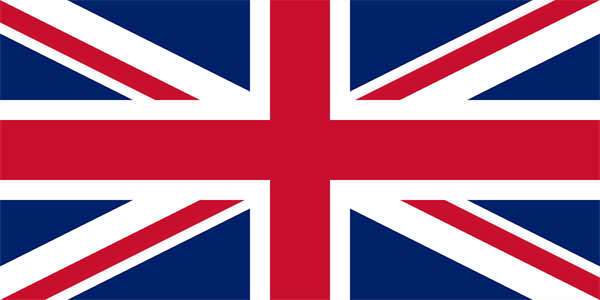
The Union Jack shows historical unions through crosses laid over one another.
- Adopted and changed
- Current combination 1 January 1801
Design
White and red diagonal crosses on a blue field; in the centre, a red upright cross with a white border.
What it means
The cross of St George represents England, the diagonal cross of St Andrew represents Scotland, and the diagonal cross of St Patrick represents the historical union with Ireland. These are heraldic and national emblems of religious origin.
The story
In 1606 the emblems of England and Scotland were brought together. When the union with Ireland was made in 1801, the red diagonal cross was added and the present design took shape. The Welsh dragon does not appear on the flag; when the first combination was made, Wales was already regarded as united with England. For this reason the flag is not a map of the present parts of the United Kingdom drawn with an equal number of symbols.
Sources: royal.uk
Flag of Ireland
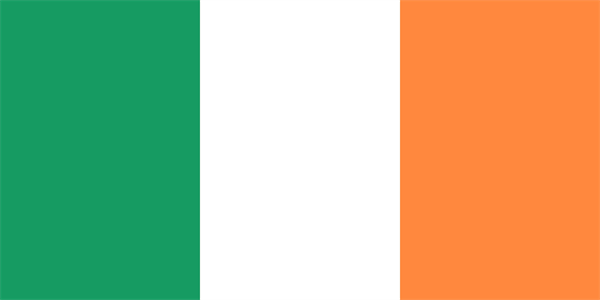
The white stripe in the middle of Ireland's flag is a wish for peace between different traditions.
- Adopted and changed
- First shown on 7 March 1848; constitutional confirmation in 1937.
Design
Vertical stripes of green, white and orange, from left to right.
What it means
Green and orange evoke the different historical political and religious traditions on the island. White represents lasting peace and coexistence between these traditions.
The story
Thomas Francis Meagher displayed the tricolour flag in Waterford in 1848. In his explanation he described the white as a space of truce between Protestants and Catholics. The flag came to the fore in the 1916 Rising, was adopted by the Irish Free State in 1922, and was confirmed as the national flag in the 1937 Constitution.
Sources: gov.ie
Flag of France
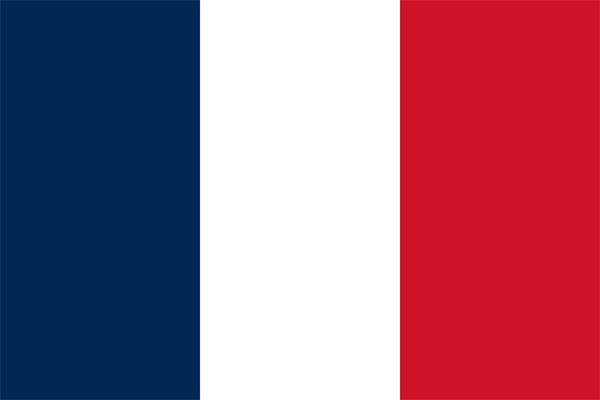
The French tricolour became a shared national emblem in the period of the Revolution.
- Adopted and changed
- Current colour order 15 February 1794
Design
Three equal vertical stripes of blue, white and red, from left to right.
What it means
In the Élysée's explanation, blue and red are associated with Paris, and white with the colour of the king. Together they are a symbol of national unity. Liberty, equality and fraternity are values of the Republic; the account that matches each word to a single stripe is not a definite historical origin.
The story
The three colours first came together during the 1789 Revolution on cockades, the rosettes pinned to clothing. After different arrangements were tried for naval flags, the blue-white-red order was fixed in 1794. When the monarchy returned, white alone was used for a time; the tricolour was re-established in 1830. In this way a revolutionary emblem became a national symbol that outlasted different periods of government.
Sources: elysee.fr, elysee.fr, info.gouv.fr
Flag of Belgium
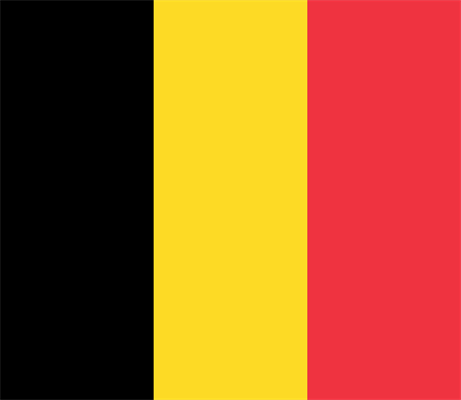
Belgium's three colours come from the old arms of Brabant.
- Adopted and changed
- 1830 independence movement; vertical layout 1831
Design
Three vertical stripes of black, yellow and red, from left to right.
What it means
The historical origin is the yellow lion on a black shield, with a red tongue and claws. It would not be correct to read the colours as official equivalents of three separate regions or language communities.
The story
During the movement to break away from the Netherlands in 1830, the colours of Brabant came to the fore again. Among the first examples were flags with horizontal stripes; the vertical layout was adopted in 1831. In this way a coat of arms from the Middle Ages became an easily produced tricolour emblem of the modern independence movement.
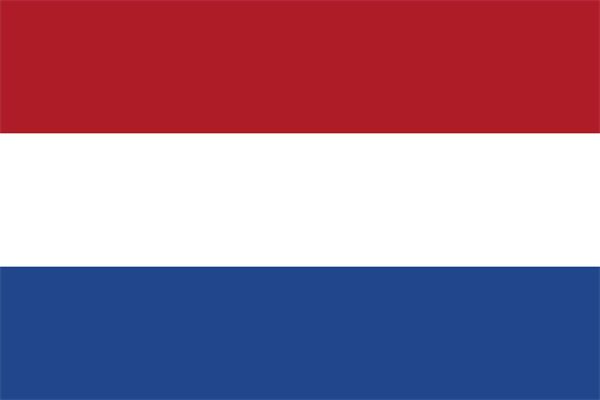
Flag of the Netherlands
The Netherlands' three colours form one of Europe's most influential flag traditions.
- Adopted and changed
- Red-white-blue settled in the 17th century; official colour decision 1937
Design
Horizontal stripes of red, white and blue, from top to bottom.
What it means
The origin of the colours goes back to the Prince's Flag of the period of the uprising against Spain. There is no single mandatory list of symbolic meanings for today's colours; the real explanation is historical development.
The story
The first arrangement, linked to William of Orange, was orange-white-blue. In the following century a red top stripe became widespread. Different explanations are put forward for the change from orange to red; it would not be correct to treat the story of the dye simply fading as the definite cause. In 1937 a royal decree confirmed the national colours as red, white and blue.
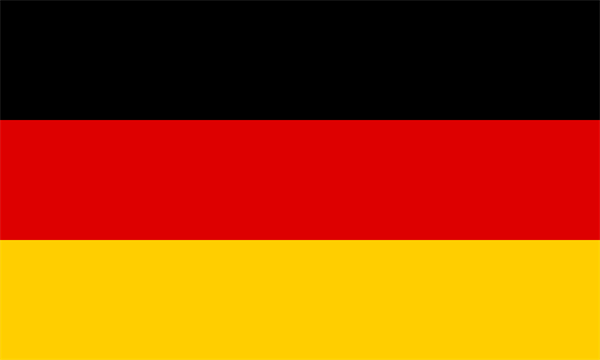
Flag of Germany
Black, red and gold are the colours of the movements for unity and freedom.
- Adopted and changed
- Readopted in 1949; the democratic history of the colours goes back to the 19th century
Design
Three equal horizontal stripes of black, red and gold-yellow, from top to bottom.
What it means
Taken as a whole, the colours are linked to German unity, civil liberty and the democratic tradition. Rather than assigning a separate official moral meaning to each stripe, it is sounder to explain their shared historical association.
The story
The colours spread in the student and freedom movements of the 19th century; they became prominent at the 1832 Hambach Festival and in the revolutions of 1848. The Weimar Republic used them; they were abolished during the Nazi period. In 1949 they returned as the flag of the Federal Republic of Germany. East Germany also used the same three colours and later added a separate emblem.
Sources: bundestag.de
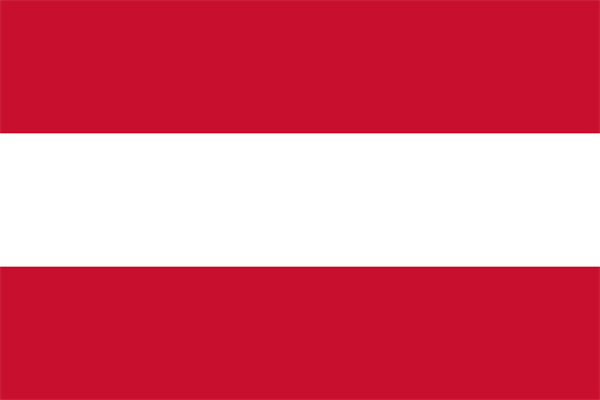
Flag of Austria
Austria's red-white-red goes back to the Babenberg dynasty.
- Adopted and changed
- Medieval origin; design readopted in the republican period in 1918 and 1945
Design
Three equal horizontal stripes: red, white and red.
What it means
The best-founded explanation of the origin rests on the historical dynastic coat of arms. The account of a bloodied garment and a white belt mark is famous, but it is a legend.
The story
In the 13th century the Babenberg rulers used a white band on a red field. According to the legend, Duke Leopold's garment turned red in battle while the part under his belt stayed white, and the colours were born from this. The modern republic continued the old dynastic sign as the national flag; after the Nazi annexation it returned to use in 1945.
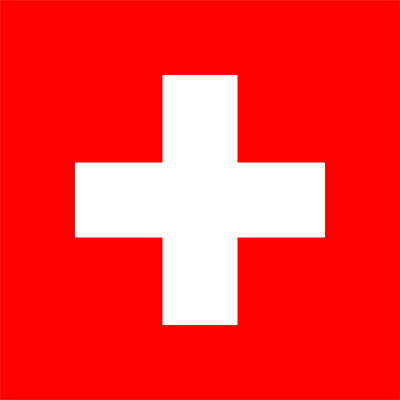
Flag of Switzerland
The red square with a white cross comes from Switzerland's military past.
- Adopted and changed
- 1848, as the national emblem of the federal state.
Design
A plain white cross in the centre of a square red field.
What it means
The documented function of the white cross was to tell Swiss soldiers apart on the battlefield. There are differing views about the exact origin of the red background. Today the cross is the sign of Switzerland's shared national identity.
The story
It is said that at the Battle of Laupen in 1339 soldiers sewed a white cross onto their clothing. Over time this sign passed onto weapons and banners. When the federal state was founded in the 19th century, the cross on a red square became the national flag. The square shape continues the military banner tradition of the period.
Sources: aboutswitzerland.eda.admin.ch, Flags of the World (specialist archive)
Flag of Italy
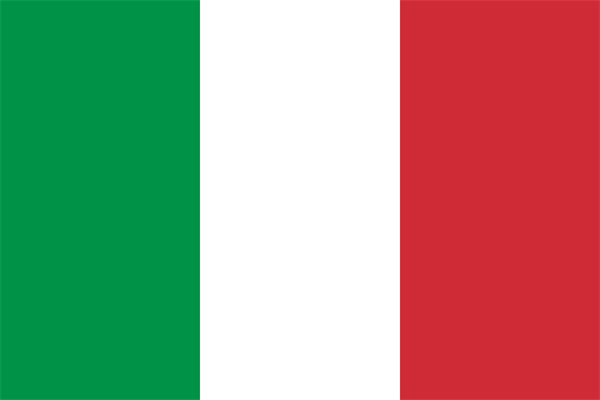
Italy's three colours grew from local military emblems into a symbol of national unity.
- Adopted and changed
- Tricolour 7 January 1797; the republic's version without arms 1946
Design
Three equal vertical stripes of green, white and red, from left to right.
What it means
The official historical account links white and red to the arms of Milan and green to the uniform of the Milanese civic guard. Interpretations such as hope, faith and charity, or plains, snow and sacrifice, are symbolic readings used later.
The story
In 1797 the Cispadane Republic adopted green-white-red. The tricolour form of the French Revolution's flag was influencing Italian movements of this period. In the 19th century the tricolour became the symbol of those who wanted the unification of divided Italy. In the period of the kingdom the Savoy coat of arms stood in the centre; when the republic was founded, this coat of arms was removed.
Sources: difesa.it, new.quirinale.it
Flag of Spain
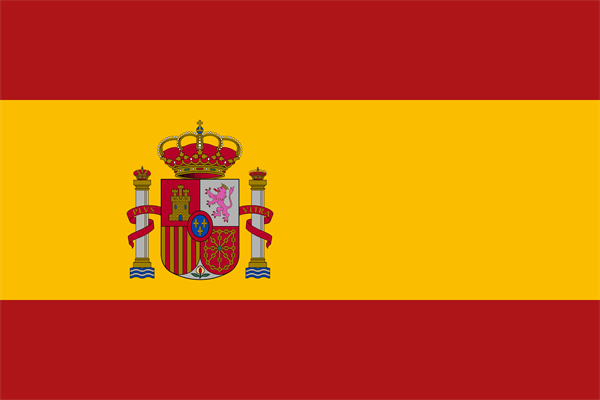
Spain's colours drew strength from the need to be recognised from far away at sea.
- Adopted and changed
- The red-yellow naval flag dates from 1785; the present coat of arms from 1981.
Design
Horizontal stripes of red, double-width yellow and red, with the state coat of arms in the yellow stripe near the hoist.
What it means
The coat of arms brings together the emblems of the historical kingdoms and of the monarchy. The basic story of the colours is the choice of a recognisable naval flag; the explanation 'red for blood, yellow for gold' is not a certain design rationale.
The story
In the reign of Charles III, the naval flags of many European dynasties were mostly white and looked alike, so an easier design to tell apart was sought. In 1785 the red-yellow layout was chosen for the navy, and over time its national use widened. After the different tricolour of the republican period, the red-yellow layout returned. The form of the current state coat of arms was set in 1981.
Flag of Portugal
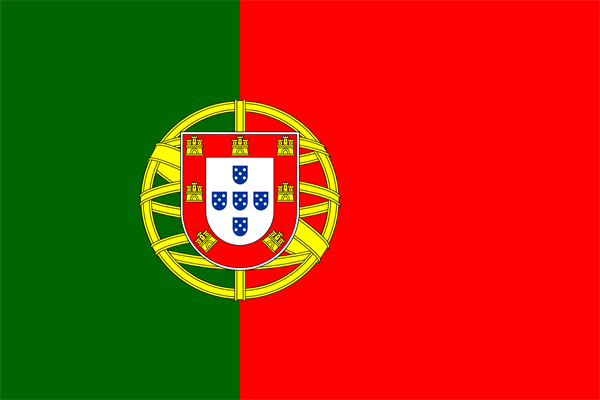
The Portuguese flag combines the colours of the republic with a much older coat of arms.
- Adopted and changed
- After the 1910 Republican Revolution; officially adopted in 1911.
Design
A narrower green section at the hoist and red in the rest, with an armillary sphere and the Portuguese shield at the border between them.
What it means
The armillary sphere recalls the maritime and exploration past, and the shield recalls the old state tradition. Explaining green as hope and red as courage and sacrifice is a symbolic interpretation developed in the republican period.
The story
When the monarchy ended in 1910, a green-red layout was prepared to replace the blue-and-white royal flag. The new government changed the colours but kept the historical shield. In this way the design tells both of the political change and of the continuation of the country's older history. The small blue shields and castles of the shield come from the medieval heraldic tradition.
Sources: museu.presidencia.pt, marcelorebelodesousa.arquivo.presidencia.pt, Flags of the World (specialist archive)
Flag of Denmark
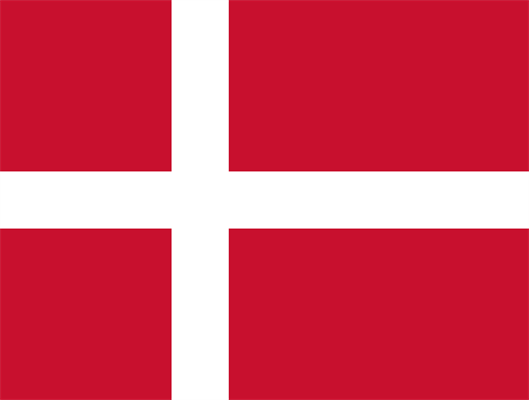
The Dannebrog is one of the oldest national flag traditions still in use.
- Adopted and changed
- A tradition documented in the 14th century; the origin account dated 1219 is a legend.
Design
A white cross shifted towards the hoist on a red field.
What it means
The white cross belongs to the Christian symbolic tradition. The red-white layout changed over time from a sign belonging only to the king into the shared flag of the people.
The story
According to the famous legend, the flag fell from the sky during a battle in 1219 in what is now Estonia and gave hope to the Danes. Historically, similar banners with crosses were used over a wider area of Europe; a strong connection with Denmark is documented in the 14th century. From the 19th century its use in the everyday celebrations of the people increased.
Sources: denmark.dk, Flags of the World (specialist archive)
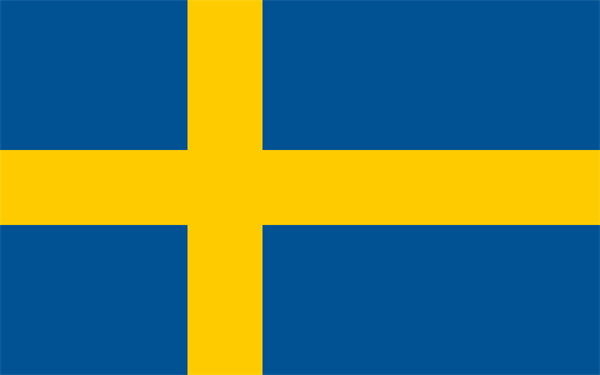
Flag of Sweden
The golden cross on blue carries Sweden's old heraldic colours.
- Adopted and changed
- Documented use in the 16th century; an important standard for the current layout 1906
Design
A yellow Nordic cross shifted towards the hoist on a blue field.
What it means
Blue and yellow are associated with the historical arms of Sweden. The cross follows the shared flag tradition of Northern Europe, which has Christian roots. Explanations involving a lake, the sky or the sun should not replace the original origin.
The story
The exact beginning of the flag is not certain; there are examples of a yellow cross on a blue field from the 16th century. It is likely that the design was influenced by the cross form on the Danish flag. The combined emblems used during the Sweden-Norway union were removed after the union ended, and the plain blue-yellow layout continued.
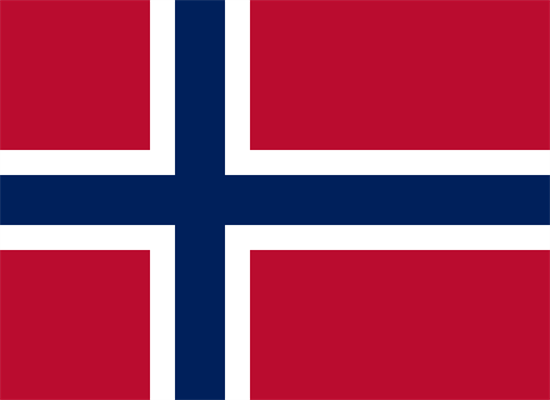
Flag of Norway
The Norwegian flag combines the Nordic cross with the colours of liberty.
- Adopted and changed
- 1821.
Design
A blue Nordic cross edged in white on a red field.
What it means
The cross shape continues the Northern European tradition. Frederik Meltzer, the champion of the design, explained red-white-blue as the colours of liberty linked with countries such as France and America.
The story
After Norway left its union with Denmark, it entered a new union with Sweden. The search for a flag of its own, to be used especially in trade, was brought to parliament in 1821. Meltzer's proposal of a red, white and blue cross was chosen. The flag was used with additional marks during the union periods; later its plain form became a strong symbol of independent national identity.
Sources: stortinget.no
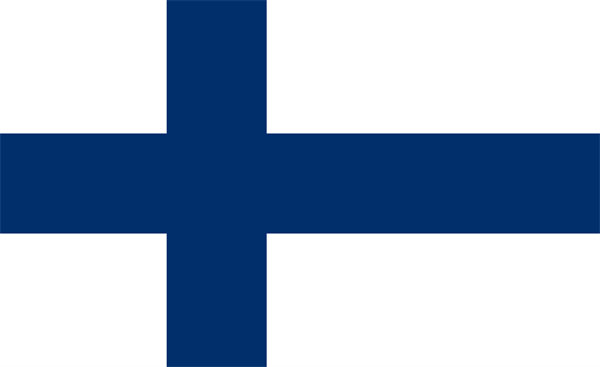
Flag of Finland
The blue cross and white field recall Finland's lakes and winter.
- Adopted and changed
- 29 May 1918
Design
A blue Nordic cross on a white field.
What it means
In official presentations, blue is linked to the lakes and white to the winter snows. The shape of the cross shows the flag tradition that Finland shares with the other Nordic countries.
The story
The poet Zacharias Topelius had associated blue and white with lakes and snow in 1863. After Finland won independence in 1917, different options for the national flag were discussed. In 1918 the white design with a blue cross was adopted by law. Versions with a coat of arms or with a different fly-end shape were also defined for state institutions and the defence forces.
Sources: finland.fi
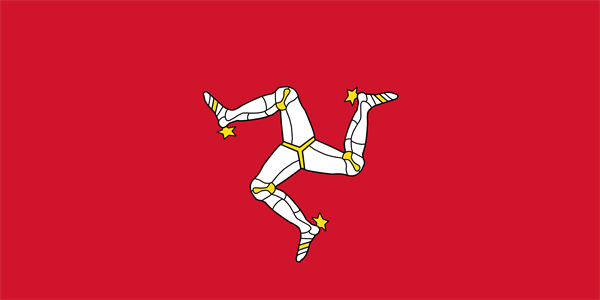
Flag of the Isle of Man
Crown dependency
The three legs of the Isle of Man are associated with the idea of staying upright whichever way they are turned.
It is a dependency of the British Crown; it is not part of the United Kingdom.
- Type
- Crown dependency
- Adopted and changed
- Modern flag officially adopted in 1971; the symbol goes back to the Middle Ages
Design
Three bent armoured legs joined at the centre, with golden spurs, on a red field.
What it means
The three-legged triskelion is the island's historical symbol. The island's Latin motto, "Quocunque Jeceris Stabit", carries the idea of standing firm and being resilient wherever it is thrown.
The story
The three-legs mark appears on medieval seals and coats of arms. Although its exact first origin is disputed, it has been linked with the island's identity for centuries. The modern flag with a red field uses this old emblem in a plain form.
Sources: Flags of the World (specialist archive), iomstampsnews.wordpress.com
An institution, not a country
The European flag
European symbol
The twelve stars on the European flag do not show the number of member countries.
The flag is used by the Council of Europe and the European Union; the region code in the PDF is not evidence of EU membership.
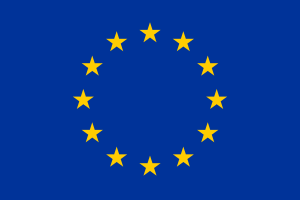
- Type
- European symbol
- Adopted and changed
- Council of Europe 1955; adopted by the European Communities in 1985 and put into use in 1986
Design
Twelve gold five-pointed stars forming a circle on a blue field.
What it means
The stars express unity, solidarity and harmony, and the circle expresses being together. The number twelve was chosen for the idea of wholeness and completeness.
The story
The flag was first adopted for the Council of Europe. It later began to be used by the European Communities as well and became the recognised symbol of the European Union. Two separate European institutions sharing the same design results from this historical process.
Sources: european-union.europa.eu, coe.int, MaxMind (GeoIP technical documentation)